This guest blog comes courtesy of Emily Dunne, Sustainability Champion in the Social Mobility Student Success.
Month 3: December & Christmas
Reducing the impact of Christmas by minimising stuff and emphasising experiences in gifts.
- Buying memberships and tickets to events rather than stuff is a great way to gift memories, while up-cycling and crafting is a great way to create something meaningful and unique
- Our work Secret Santa this year was capped at £5 and had to come from a charity shop, and we couldn’t believe what amazing presents people found!
- I also made homemade crackers this year: cheaper, more sustainable and genuinely made everyone happier – imagine getting a lovely silk scarf in your cracker rather than another plastic keyring?
Verdict: Definitely easy and fun
Month 4: January & Food
Thinking more sustainably about what I choose to eat, where I buy it from, what it’s packaged in and how much is wasted.
- Trying to eat more seasonally, with fortnightly Oddbox deliveries of fruit and vegetables, sourced from local farms from the ‘wonky’ produce otherwise wasted because it’s not ‘perfect’ enough to be sold to supermarkets.
- Wonky fruit and veg are genuinely charming: favourites so far include three pronged kiwis, a cauliflower the size of a football, and a slightly small but entirely delicious pineapple.
- Starting this in January means I’m far more familiar with British root vegetables than before. Still yet to cook a turnip well, but I’m learning. Looking forward to summer on this one!
- Finally, the packaging is sustainable: nothing is plastic wrapped and they collect and reuse the previous cardboard delivery boxes with each delivery.
- Moving all dried produce (rice, grains, pasta, nuts) into jars, beautifying my kitchen cupboards and laying the groundwork for buying plastic free from local bulk refill stores.
- Zero waste lifestyle blogs are full of great resources, including this handy searchable map of refill shops where you can buy food un-packaged to bring home in your own containers.
- My local shop is a community run food coop, which sells at cost price and encourages shoppers to volunteer – amazing!
- This one is definitely a journey but there’s so much reward in being thoughtful about food. Some things I’m still working on:
- Bringing in lunch to work from home consistently
- Pushing my vegetarianism a bit closer to veganism, which I’ve started by treating cheese as more of a delicious treat than a daily staple
- Just cooking better food: Anna Jones has been a great help here on seasonal recipes especially!
Verdict: High impact and mostly fun!

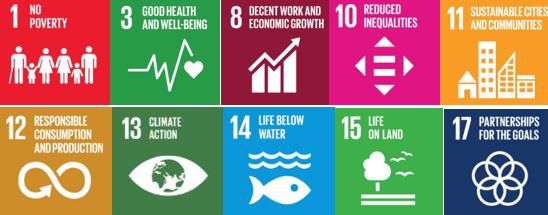



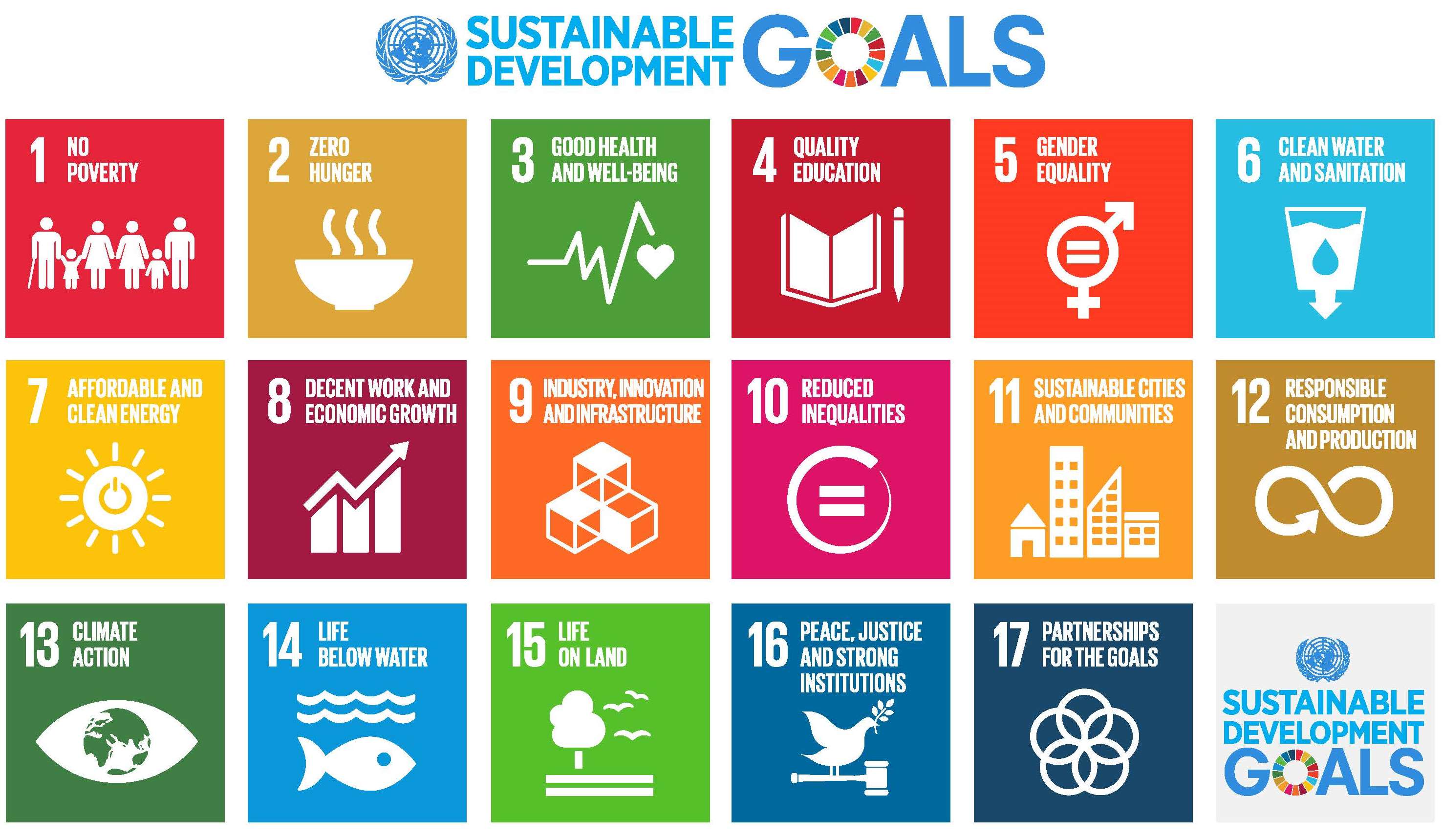
 The conference started with a keynote speech by Amanda MacKenzie OBE, who highlighted the importance of getting everyone involved. When the SDGs were unveiled, she ran a campaign to get word about them out there. One of the key messages of this was the importance of using simple language everyone understands. This is why she refers to the goals as Global Goals rather than SDGs, claiming the term SDGs “sounds like something you would see your doctor about”. By calling them the Global Goals and making them accessible, we should be able to take millions of small, simple actions, together adding up to significant change.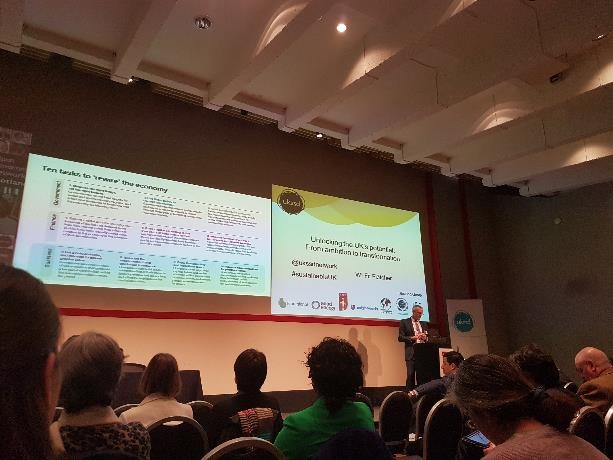


 Deforestation and forest degradation account for an estimated 10-11% of global GHG emissions. In the digital age that we live in, there is no need for King’s to be printing as much as it does. Collect scrap paper and use it for drawing and notes. At the start of the new academic year, shop for notebooks made out of recycled paper! When you buy paper – printer paper, paper towels, toilet paper, etc. – make sure they are forest-friendly and try to buy furniture that is made from sustainably sourced timber. Little things like that can reduce our environmental footprint and make a big difference.