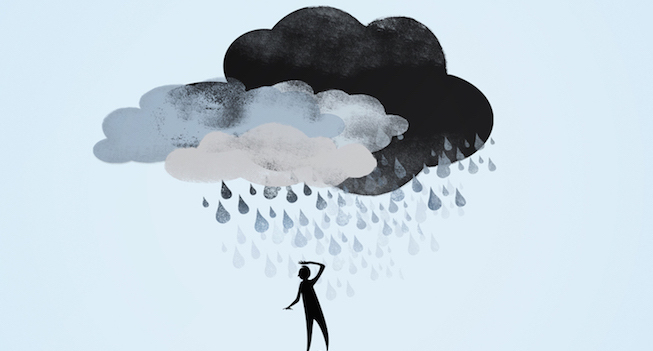
The Depressive Realism theory argues that those who are depressed have a more accurate and realistic view of reality than those who are not depressed. But how should this theory inform the way we think about, and treat, depression?

The Depressive Realism theory argues that those who are depressed have a more accurate and realistic view of reality than those who are not depressed. But how should this theory inform the way we think about, and treat, depression?

Behavioural problems in childhood, such as anxiety, depression, hyperactivity, and conduct disorder are common. In the US, the likelihood of having one or more such problems is greater than 1 in 10. Our recent study asked to what extent individual differences in behaviour problems can be explained by differences in…

Next year, the average British person will check their phone more than 10,000 times and 4,000 of these will be made compulsively. Facebook. Instagram. Snapchat. Most of us have an account on at least one of these social media platforms and they often play a big part in our lives….
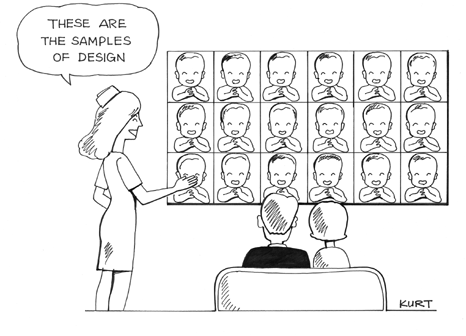
Mention that you are researching ‘genetics and mental health’ and you might notice a sense of unease in your audience. We usually tack on additional information, which ranges from, “investigating how we can predict response to psychological therapies using genetic information, and of course we incorporate environmental factors too”, to “but…

This week, following on from our previous blog on mental health in mums, we are delighted to welcome past EDITlab PhD student, Hannah Brown, now mum to a one-year-old boy. In this post she shares her fears and strategies about depression and anxiety in the early days of motherhood.
On the 28th of November the BBC and BBC Radio 5 Live were raising awareness for mums and mental health. Mothers everywhere were invited to join in online using the hashtag: #MumTakeOver. They had presenters come in to discuss their own, sometimes difficult experiences of having babies and becoming mothers….

Replication is the lifeblood of science – but how do you replicate when your cohort is the biggest available? EDiT Lab Associate Member and genomics crank-turner postdoc extraordinaire Joni gives three ways how.
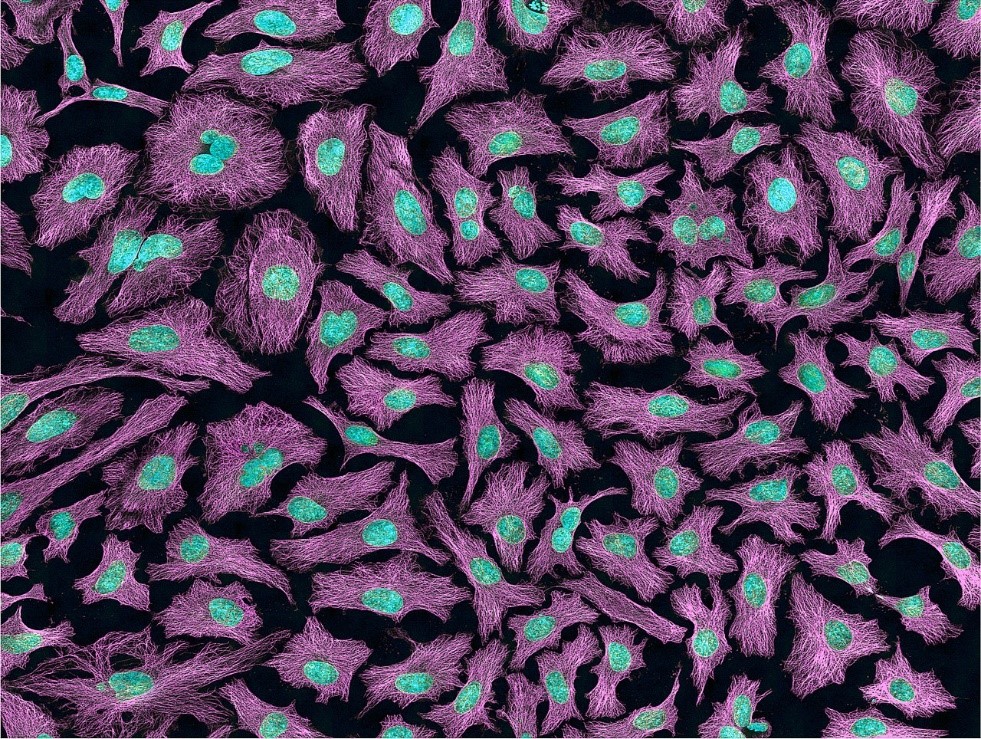
“The Immortal Life of Henrietta Lacks” by Rebecca Skloot tells the story of the woman behind the first immortal human cell-line and that of her family. This book also highlights the research discoveries and important ethical issues ignited by the HeLa cells.
The experience and reality of mental health and the stigma surrounding it is becoming an increasingly popular topic to broach through works of fiction. Today on the blog Megan has pulled together a summary of some novels that tackle these topics. Megan With mental health being talked about more…
This week we talked to Kaye Blegvad, author of the incredible “Dog Years: An illustrated Book About Mental Health” her experience of living with depression, including friendships, genetics and stigma. How did you come up with the idea of a naughty black dog to represent your depression? I…
Recent Comments