Category: Anti-racism (Page 1 of 2)
This blog looks at the key takeaways from a report that was produced as a part of the King’s Undergraduate Research Fellowship 2022 at the Social, Genetic and Developmental Psychiatry Centre in Denmark Hill, London.
Why we need cultural competency: racial disparities in mental health, their impact in clinical settings, and strategies for mitigation
This Black History Month, placement students Aliyah (EDIT Lab) and Tin Tin (BioResource) highlight the complex racial disparities which exist within mental health treatment and care, and discuss a range of changes that can be made, on an individual and structural level, to address this systemically in the workplace.
In conversation with Stella: Perspectives from a black assistant psychologist
Today’s post forms the second part of Hollie’s interview with Stella Ogunlade, inspired by Black History Month which was celebrated in October. Stella is a black female Assistant Psychologist working with individuals with eating disorders in Yorkshire. Here, she describes her experience as a black woman being employed in the field of clinical psychology. We hope Stella’s words draw attention to the issues and challenges faced by black women working within the field.
Introducing Stella: a black female student’s journey into clinical psychology
Last month, many academics and researchers celebrated Black History Month. It is well known that Black History Month is particularly relevant in psychology due to a number of long-standing biases in psychological research and clinical practise, which are important to acknowledge.
Across the next two posts, EDIT Lab member Hollie Hymas interviews Stella Ogunlade, who works with individuals experiencing eating disorders at a clinic in Yorkshire, England, and has kindly agreed to discuss her contributions to the field. In the first post, Stella describes her journey into psychology; from migrating from Nigeria to the UK at the age of 8 to receiving a Psychology degree from the University of Bristol at the age of 20 and starting her career. In the second post, Stella gives her perspective on being a black woman in the field of clinical psychology and how this has affected her experiences.
In Part 1 of this blog series, Elisavet [EDIT Lab first-year PhD student] and Elena [EDIT Lab 2020-2021 MSc student] outlined the inherent limitations of not including more diverse – and thus representative – samples in GWASs. In Part 2 below, they discuss the ongoing efforts towards diversifying research at three different levels.

Elisavet ( EDIT Lab 1st year PhD student)

Elena (EDIT Lab 2020-2021 MSc Student)
The month of October hosts UK Black History Month, World Mental Health Day, and the anniversary of the Human Genome Project. Inspired by all three, Elisavet [EDIT Lab first-year PhD student] and Elena [EDIT Lab 2020-2021 MSc student] discuss the need to diversify genetics research for the continual progress of the mental health field.

Elisavet ( EDIT Lab 1st year PhD student)

Elena (EDIT Lab 2020-2021 MSc Student)
I have spent almost 3 years involved in Global Mental Health research. Global Mental Health research spans countries, cultures, languages and philosophies, however, this field still largely operates through a typical Global Health Model of North-South learning. This model upholds a flawed assumption that Western institutions know best, even if their practices may not be culturally and regionally appropriate or even the best available. I have over this time witnessed a growing discomfort and foundational shift in the field. The more these discussions start to gain traction in Global Mental Health, the more it becomes clear that these are discussions that should be had across all academic research. Cultural competence is not just a Global Mental Health research issue – it’s a general health research issue.
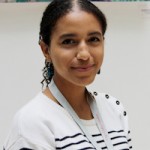
This strong pull I have always felt towards understanding cultural relevance and appropriateness in psychological research stems in part from my own mixed background. I am half Belgian, half Congolese, and spent my childhood in Guinea-Bissau, Zimbabwe, India, and Cambodia, before finding a home in the UK to study Psychology, and then later, an MSc in Global Mental Health. I have always had a different nationality, mother tongue, and racial background to those around me, and have therefore grown accustomed to being a minority. Being “othered” in every sense has always meant cultural awareness was my default.
My experience has taught me to recognise that it is the absence of everyday cross-cultural interactions and reminders of individual differences, that lead to complacency and blind spots. In UK academia especially, where diverse representation is severely lacking, we are less likely to turn our gaze inward and recognise when our own practices are exclusionary because we don’t have enough people or systems holding us accountable. When we know that 90% of professional academic staff in the UK identify as white, and Black professors make up fewer than 1% of this group, it seems unlikely that research coming out of UK academic institutions will be able to serve all, equitably (1). More diverse voices need to be heard in research.
This need for a culturally sensitive shift and greater inclusion of diverse voices is not new, but it has become more critical than ever. The COVID-19 pandemic has been a sharp reminder of the entrenched health inequalities faced by underprivileged groups, both in the UK and in low- and middle-income countries. These stark inequalities chip away at the trust in health research structures, reducing minority representation in health research, and further exacerbating health disparities (2). Those who have power and privilege in academia need to recognise they have a role in addressing this.
There are several recommendations for research practices that aim to dismantle power imbalances in Global Mental Health research. Changes need to be made to the way researchers formulate their teams, how they disseminate their research, and how they ensure they uphold these practices beyond their research studies.
Your Team.
Regardless of where you are in your academic or research journey, you can build diverse relationships and connections outside of traditional academia that brings in and includes diversity.
Start by formulating a diverse co-applicant research team
This is not a suggestion for a tokenistic display of diversity by having “at least one Black person” in your list of co-applicants, but rather a push to include people outside of academia to offer their diverse perspectives. Research benefits from diversity across the board, not just in skin colour. A good thing to remember is that academics represent a very small minority of a very privileged, very educated part of society. Involving people from non-academic backgrounds (e.g. charities and community groups) should become common practice as they are (and will always be) endlessly more qualified in understanding your participant group than you as an academic (3, 4, 5).
Recognise the value of having social scientists in your team as well.
Qualitative researchers, anthropologists, ethnographers and sociologists are experts in cultural research and are therefore able to offer advise based on their expertise.
Global Mental Health Example: My team recently submitted a grant application to integrate mental health care in schools in Ghana. Among the Co-I’s were an anthropologist, an NGO programme coordinator, a youth charity director, a member of the Ministry of Health, a demographic surveyor, and youth representatives with lived experience. Fitting in so many Co-Is meant it was a tight budget squeeze and so we had to adjust the original design of our study in our application, but the research would have suffered without this necessary representation from non-academic groups.
Your Design.
There are often legitimate and proven reasons why individuals from a particular ethnic background are under-represented in all areas of research. If your research has lacked diversity in participation, think about why this might be and factor in time and budget for conducting formative work at the beginning of your study. This could include:
Read up
There is already existing literature out there that explains why there is a lack of representation in research, including literature reviews, surveys and stakeholder reports (6,7,8). Read up on this literature and create an annotated linked list of all resources so that you can continue to build a reference list and share this literature with your team and peers.
Qualitative research
Again, this is where social scientists and researchers trained in qualitative methods are an incredible asset. Conduct focus groups and interviews with members of the community, and ensure they know how much you value the opportunity to learn from their experiences. Get their views on your research topic and ask them for priority areas they would like to see you consider in your study. Your aim is to create a reassuring and safe environment for these conversations, where your role is to listen, engage, and validate their voices. Bit by bit, these interactions can help rebuild confidence in a system that has previously abused their trust. -> See below point on building lasting partnerships.
Set up a Community Advisory Group
Ensure your interactions with members of your focus groups are not one-offs and invite them to join your study in the capacity of a Community Advisory Group. Budget for this so that you can make sure they are compensated for this work. Just like any researcher on the team, their knowledge and experience will be incredibly valuable to the running of your study and your interpretation of study results, so it is your responsibility to make a safe space for them in your team. -> See below point about creating a safe environment for your team.
Use culturally validated measures
Take time to evaluate your measures. Do not just rely on classical measures and tools when it is highly likely that they were validated in a population that does not reflect your participant group. Are all the items inclusive? Do they translate across cultures? Do that translate across language? Does the measure use images of people, and if so, are they all white people?
Global Mental Health Example: When validating measures in another language, we follow World Health Organization Guidelines (10), which involves conducting a forward translation into a different language, an expert panel back-translation into English, a pre-testing and cognitive interviewing phase, and then a final writeup of the translated measure and summary of the process. The same level of careful consideration and evaluation, regardless of translation work, should be taken for all measures you include in your study.
Consider a Theory of Change Workshop
This is a specific type of qualitative and collaborative research, usually carried out before you start your study, to involve every possible stakeholder in study planning from the beginning (11, 12). The goal is to map an outcome (e.g. hitting a target number of participants) and then to identify every step that needs to be taken in order to reach the outcome. Different stakeholders will be involved in each step (e.g. clinicians recruiting from clinical sites, social media companies creating advertisements, individuals with lived experience who can provide a participant perspective) so they are able to comment on what is feasible and isn’t based on their knowledge of their area of expertise. This collaborative approach aims to explore every possible perspective that should be considered in the running of your study, reducing the risk of using harmful and ineffective designs that risk breaking the trust of participants or non-academic groups.
Disseminate consciously.
Consider how you can support
Host presentations with the charities and societies with which you collaborated. Ask your Community Advisory Group what they’d like to see and whether they know of any events where you can speak. Create dissemination posters and leaflets to show that you’re not only committed to using these methods to recruit participants but also to showing them what has been done with their data. Write blogs, newsletters and social media posts in a format that is easily accessible to your participants, and host live sessions on your social media so that those who follow you can feel more connected to your research.
Global Mental Health Example: We recently collaborated with a Demographic Surveillance System in Ghana who let us know they broadcast results from regional healthcare research onto national radio, so that participants across the country can hear about how research participation has resulted in new innovations and policies.
Signpost readers of your paper to an FAQ
This is a practice that is becoming common practice to tackle misinformation and misinterpretation of data and study results. It’s especially helpful to do this in behavioural genetics research as, though it is a fast-evolving field, the state of the evidence at this point in time can only provide a limited picture. It is therefore important to explain what your data shows and what your data doesn’t show, and adding a link to a “Frequently Asked Questions” page (such as this one: https://externalizing.org/faqs/) to avoid misinformation. Dr Yasmin Ahmadzadeh also wrote an excellent blog post on how to correctly report on race in research, which is a must-read for any researcher before their next publication (link below).
Acknowledge when you have fallen short
If you are reading this at a point where you have come to the end of your study, are a week away from pre-print and regret that you weren’t able to take these steps from the beginning, there is room to address this in your discussion or the dissemination of your paper. It is always important to pause and reflect on whether you have been authentic and maintained integrity. In Global Mental Health, researchers should continue to confront our own privilege as Western, educated researchers from prestigious academic institutions and recognise when this causes an unethical power imbalance. Similarly, researchers in the UK should continue to recognise their own positions of power, as being part of a (mostly) white and highly educated privileged minority.
The road toward culturally sensitive and inclusive research has no endpoint, and even after integrating all the suggestions above into your research, there will always be more to learn. We can’t change our way of doing research overnight, what we can do is continually learn and collectively strive for better more diverse, and inclusive research. We can become more conscious of different practices, reflect, and learn about the impact of our own biases, privileges, and previous approaches. Simple commitments on how you approach your research can lead to small changes that, collectively, make a massive difference.

Helpful Links:
Global Mental Health MSc Programme: https://www.kcl.ac.uk/study/postgraduate/taught-courses/global-mental-health-msc
Centre for BME Health Toolkits: https://centreforbmehealth.org.uk/resources/toolkits/
The NIHR INCLUDE Project: https://trialsjournal.biomedcentral.com/articles/10.1186/s13063-020-04613-7 https://sites.google.com/nihr.ac.uk/include/home
Theory of Change Workshop Guidance: https://trialsjournal.biomedcentral.com/articles/10.1186/1745-6215-15-267 https://www.tandfonline.com/doi/full/10.1080/03069885.2016.1217981
Measuring Race, Ethnicity and Ancestry in Research: Time for new Tools: https://blogs.kcl.ac.uk/editlab/2021/01/27/measuring-race-and-ethnicity-in-research-time-for-new-tools/
References:
1. Advance, H. E. Equality in higher education: staff statistical report 2018. Adv. Hematol. 6, 2019–2005 (2018).
2. Treweek, S., Forouhi, N. G., Narayan, K. M. V. & Khunti, K. COVID-19 and ethnicity: who will research results apply to? Lancet 395, 1955–1957 (2020).
3. Alderwick, H., Hutchings, A., Briggs, A. & Mays, N. The impacts of collaboration between local health care and non-health care organizations and factors shaping how they work: a systematic review of reviews. BMC Public Health 21, 753 (2021).
4. Towe, V. L. et al. Cross-Sector Collaborations And Partnerships: Essential Ingredients To Help Shape Health And Well-Being. Health Aff. 35, 1964–1969 (2016).
5. Smith, K. E. et al. Partners in health? A systematic review of the impact of organizational partnerships on public health outcomes in England between 1997 and 2008. J. Public Health 31, 210–221 (2009).
6. Witham, M. D. et al. Developing a roadmap to improve trial delivery for under-served groups: results from a UK multi-stakeholder process. Trials 21, 694 (2020).
7. Improving inclusion of under-served groups in clinical research: Guidance from INCLUDE project. https://www.nihr.ac.uk/documents/improving-inclusion-of-under-served-groups-in-clinical-research-guidance-from-include-project/25435. 8. Toolkits. https://centreforbmehealth.org.uk/resources/toolkits/.
9. Razai, M. S., Kankam, H. K. N., Majeed, A., Esmail, A. & Williams, D. R. Mitigating ethnic disparities in covid-19 and beyond. BMJ 372, m4921 (2021).
10. WHO | Process of translation and adaptation of instruments. (2010).
11. De Silva, M. J. et al. Theory of Change: a theory-driven approach to enhance the Medical Research Council’s framework for complex interventions. Trials 15, 267 (2014).
12. Etherington, K. Making research matter: researching for change in the theory and practice of counselling and psychotherapy. British Journal of Guidance & Counselling vol. 44 612–614 (2016).

We must maintain an intersectional perspective in discussions around race and racism, to better understand and reflect on the diverse realities experienced by individuals across racialised groups. In this post, Marie Skłodowska-Curie Fellow, Dr Ziada Ayorech, reflects on her experiences as a Black academic, as well as a female, and mother of two toddlers.

Dr Ziada Ayorech
The term ‘intersectionality’ was coined by Professor Kimberlé Williams Crenshaw. It refers to the many overlapping, sometimes contradicting, social categories an individual occupies – and how these contribute to their experience of discrimination and privilege. As a Black, female, mother of two toddlers, my lived experiences pursuing a career in academia can illuminate some of the challenges of bringing your full self to the workplace.
Like many moments which result in a career changing opportunity, I distinctly remember the interview that culminated in my obtaining a Research Assistant position, which subsequently turned into a PhD in Behavioural Genetics. I arrived in the SGDP lobby at King’s College London for the final interview of the day, after an Oxbridge candidate had as good as cemented the panel’s decision. The details of how I nailed the job, which was intended for my competitor, are often relayed to me by colleagues (now turned dear friends), as an example of my capacity. But like many academics, the experience of obtaining a coveted position left me with imposter syndrome.
Navigating imposter syndrome is challenging in its own right. But as a Black woman, I grappled with both the internal and the societal messages about my ability. Belonging to these two systematically oppressed categories can amplify narratives that you are lesser. Achievements which challenge that long-standing narrative are a perfect breeding ground for imposter syndrome. A shared reality of Black Indigenous and people of colour (BIPOC) is the inherent lack of representation across all spheres of our lives. From grade school, through university, to a glance at the senior faculty members at our institutions, the resounding message is loud and clear: these spaces weren’t built for you.
“Belonging to these two systematically oppressed categories can amplify narratives that you are lesser.”
The internal story I told myself (backed by personal experience of over 30 years of structural racism) was that I’d duped them: I am under qualified and any day now, the jig will be up, I will be fired. This meant that when my partner and I decided to have our first child, less than one year into my PhD, the idea of telling my supervisor that I was pregnant was almost too much to bear. Unlike so many female academics I have spoken to, I was fortunate to have an extremely compassionate supervisor, who’d seen many PhD students embark into parenthood during their degree. Despite this, I worked flat out until the birth, submitted a paper days before my maternity leave began, responded to reviewer comments weeks after my son was born, and left my 4-month-old for the first time during my maternity leave to conduct interviews. The reality for female academics who choose to pursue their careers as well as start a family is a head spinning balancing act. Have your children, but don’t let that interfere with your career. Publish at all costs, but still be at every parent-teacher meeting. Say yes always, to indicate that you are still career driven.

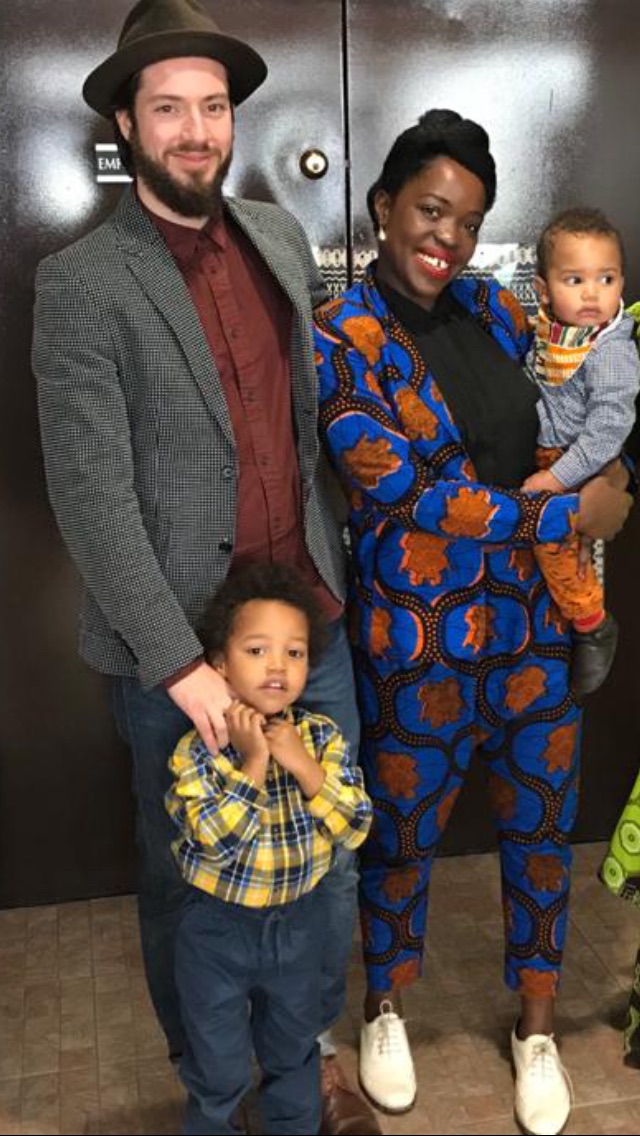
Ziada and her family
The challenges of navigating the demands of motherhood and academia are amplified as a Black woman. Again, intersectionality rears its ugly head. Black women in the UK are four times more likely to die in childbirth than white women (1) – a staggering statistic attributable to systemic racism in the health care system. Consistent with these statistics, the birth of my firstborn was riddled with hostile encounters at the hospital; a dangerously long labour; and eventually a traumatic emergency caesarean. I was lucky in comparison to many BIPOC mothers, who I eventually had the courage to speak with. We’d both made it home. Nonetheless, when returning to work and relaying this experience to my colleagues, I refrained from discussing the reality of structural racism at the hospital.
“I was lucky in comparison to many BIPOC mothers, who I eventually had the courage to speak with.”
Speaking up about racism can feel isolating. Repeated experiences of ‘gaslighting’ can often lead us to wonder whether we will even be believed. Additionally, Black women may internalise stereotypes such as the ‘strong black woman’; a perception that we are naturally resilient and self-sacrificing. These narratives can negatively impact mental health and reduce the likelihood to seek help. Images of motherhood are often white centred. Valid concerns about raising Black children in a racist society don’t often feature in mainstream discussions around the challenges of parenthood.
I was eight and a half months pregnant with my second born when I defended my PhD thesis, driven in part by the knowledge that I was one of the only Black female Behavioural Geneticists that I had seen at conferences, in statistics courses, at lectures, and across the many international institutions I had studied in. Letting my foot off the gas was not an option. I’ve been in conference calls where another male academic has called out his colleague for having an entirely male working group — quietly wondering to myself what would happen if I mentioned that not a single Black geneticist was pictured across the multi-centre initiative they were describing, let alone a female one.
“I was one of the only Black female Behavioural Geneticists that I had seen at conferences, in statistics courses, at lectures, and across the many international institutions I had studied in”
Open discussions about the structural racism underpinning our academic institutions, field and world are a key component of the shift of 2020. Along with the pandemic, which brought life as we know it to a standstill, came a long overdue awakening to the second pandemic affecting global citizens. As the dust settles and we emerge in 2021, how can we take an intersectional approach to our anti-racist initiatives? How can we engage in meaningful change to address the structural inequalities that, by doing nothing, we perpetuate? How can we have real lasting change?
Know your blind spots
I can speak on the Black female mother experience, because this is my reality. Other experiences, for example of ableism and transphobia, need to be brought honestly to the table if we are truly engaging in intersectionality.
Inclusivity, not just diversity
Often academic institutions describe perceived challenges in recruiting or keeping BIPOC employees. True inclusivity requires creating spaces where diversity is celebrated, welcomed and encouraged, where all voices are given a platform to wield influence. Efforts to recruit BIPOC that do not include these structural changes can be perceived as ‘tokenism’. Indeed, ‘if diversity is a sprint, inclusivity is a marathon’ (2).
Go beneath the surface
Conference surveys on whether you experienced a specific discriminative event fall short of addressing the issues at the bedrock of our institutions. Yes, I had sexist and racist comments uttered to me by senior faculty at my first genetics conference, and yes explicit codes of conduct can discourage overt discrimination — but until we use an intersectional lens to address the structural inequalities inherent in our institutions, the bandage will always fall off.
Do the work
Relying on BIPOC to lead the initiatives is disingenuous. Speaking up is risky for those who don’t hold the power. It can have a negative impact on career trajectories and wellbeing. These risks shouldn’t be left to BIPOC to take.
Change the language
Be intentional about the language you use and consider how it may perpetuate narratives (see our previous blog on this here)
The road to building new institutions that reflect our global diversity will be a long one. Engaging in honest and frank discussions about the structures that perpetuate inequality require intersectionality. It is only by considering the multitude of identities that can intersect and amplify discrimination that we can begin to create a space where each of us feel empowered to lead with our full selves.
(2) Quoted from Dana Browlee, Forbes senior contributor and Author of ‘The dangers of mistaking diversity for inclusion in the workplace’)
Yasmin considers the ways in which we measure and discuss race, ethnicity and ancestry in human research. When scientists use these terms incorrectly, they reinforce and perpetuate inaccurate and often racist narratives.

Dr Yasmin Ahmadzadeh
Everyone loses when science is not diverse. But how do we measure diversity?
In scientific research, the information (or variables) that we measure must be valid. Whole careers and research fields are built around the quest to achieve accurate measurement of human traits and characteristics. This is to ensure the validity of our results and evidence-based recommendations.
Race, ethnicity and ancestry are among the most commonly used variables in human research. Many journals require inclusion of these data before research is accepted for publication. However, measurement protocol for these variables remains murky and, in some instances, unacceptable (some countries [e.g., Germany] do not collect demographic data on race or ethnicity).
In an ideal world, we would use categories that allow us to group populations according to relevant common features in an accurate and systematic way, so that the resulting statistics can be easily reproduced and compared over time and between sources. However, the categories used for measuring race, ethnicity and ancestry are inconsistent and can be harmful. When scientists use these terms incorrectly, they reinforce and perpetuate inaccurate and often racist narratives.
In search of valid categories for labelling populations
Race, ethnicity and ancestry are multifaceted terms subject to shifting definitions. They are related, but they are not all the same. These terms should not be used interchangeably to define participant groups in research. Unfortunately, this mistake is often made, resulting in the misrepresentation of participant groups.
Race categories were developed as a taxonomic grouping of humans, formed during the heyday of European colonialism. They are typically associated with physical characteristics such as skin colour or hair texture (e.g., ‘Black’ or ‘white’). They are not valid indicators for any underlying biological differences between individuals (e.g., genetics), or place of origin. Racial categories are a social construct. That is, there are no observable, biological measures that can be used to reliably classify individuals within racial groups. The history of racial categorising is entrenched with oppression and subjugation of non-European people. Many agree that race is the invented product of racism.
Ethnicity refers to the grouping of humans based on cultural expression and identification (e.g., ‘Latino’, ‘European’, ‘Chinese’). This can include factors such as shared ancestry, language or traditions. As with race, ethnicity is a social construct, categorised into groups that are deemed distinct by society. There is no consensus on what constitutes an ethnic group, and membership is self-defined and subjectively meaningful to the person concerned.
Ancestry typically refers to the geographical origin of populations (e.g., ‘European ancestry’ or ‘African Americans’). It can also be used in terms of the heritage or descent of a group, (e.g., ‘Ashkenazi Jewish ancestry’). Ancestry is considered the most objective of the three defined terms, but it is not without flaws. Populations are never homogenous in their ancestry because genetic diversity is continuous, not categorial. There is no such thing as a population with a single direct (or, as some have put it, ‘pure’) ancestry. Therefore, the borders that we place around ancestries are arbitrary and, again, socially constructed.
Categories that we currently use in research
The ‘race’ and ‘ethnic group’ categories currently recommended for use in the USA (by the NIH) and the UK (by the ONS) are outdated and unsystematic. They were not designed for research. They pool a range of racial, ethnic and ancestry terms within single categories (e.g., ‘Black/African/Caribbean/Black British’). They include derogatory words (e.g., ‘American Indian’) and group people by skin colour (e.g., ‘white’). They include some cultural groups (e.g., ‘Arab’ or ‘Hispanic’), but not others. Some countries are listed individually (e.g., ‘Ireland’ or ‘India’), while other countries are clustered in large geographical regions (e.g., ‘Africa’ or ‘Asia’). Personally, I find that my Middle Eastern ancestry is grouped with ‘white’ Europeans on one scale, then with ‘non-white’ Asians on another.
In sum, these categories are inadequate for representing the global population equally and fairly. As researchers, we must work to break perpetual cycles of racism in research, and not remain complicit. We can strive to do things differently and develop new tools for research. We must not stop talking about race, but we must understand and use racial terms correctly. Abandoning racial categories would be a mistake. If we stop using racial categories, then we will not be able to identify racial inequity in research.
A call for action
Correct your vocabulary, and the vocabulary of others. Consider the context.
* Racial terms (e.g., ‘Black’) are only appropriate when discussing the racialisation of participants. (see here for why many are now deciding to capitalise the B in Black).
* By using racial categories in the wrong context, we risk reinforcing the notion that they are biologically and scientifically valid.
* Stop referring to race, ethnicity or ancestry as ‘risk factors’ in health research. There is no evidence to suggest that ethnicity is a causal risk factor for health problems. There is evidence to suggest that racism and marginalisation is.
* Stop using the term ‘Caucasian’ in research. This is a pseudoscientific term, derived from an 18th century racist classification system. You should use either ‘white’ or ‘European ancestry’, depending on your context. (see more here)
Consider how the data that you collect will be used in your research.
Is it valid? Who will it serve? What can it really tell you? Wherever possible, be specific.
* Do not pool all ‘Black, Asian and Minority Ethnic’ (BAME) groups into one category. The BAME label (and related acronyms, such as BME) is insufficient to reflect, and therefore help, the many groups captured within that definition. The BAME categorisation creates a dichotomy of ‘white’ versus ‘non-white’ (or ‘majority’ versus ‘minority’ groups), which serves to reinforce racism in research. If you must refer to multiple communities under a single label, the terms ‘marginalised groups’ or ‘racialised communities’ are preferable. (see here for further critique of the BAME label).
* Categories need to be consistent across research and health services, to support research efforts and policy recommendations. But categories also need to capture what it is that matters for the study at hand. For example, ancestry will be more important for geneticists exploring the role of population stratification; while racial terms will be more important for psychologists exploring the influence of racial inequality.
* Where possible, data collection should support an intersectional approach to understanding the multiple identities that individuals hold, encapsulating different forms of privilege or disadvantage in society. Information on participant race, ethnicity and ancestry cannot tell the whole story. Within groups there is diversity of experience.
Individuals of non-European descent – i.e., the majority of the global population – remain under-represented in human research (among research teams and research participants). Their narratives are excluded and their data are under-reported. Many teams and institutions are now striving to change and improve their research strategies to address this imbalance. This involves confronting the systemic racism that exists in human research. An important first step will be to consider how we define diversity among participants in the first place. We must be meticulous in our planning as to what data we need for our research, and why we need it. We must involve participant perspectives in this process. We must be honest with participants about the limitations of the variables that we use, and communicate how we intend to use any data that we collect about their race, ethnicity or ancestry in our work.
We must see this as an active learning process, requiring constant reflection and challenging of assumptions that are so deeply ingrained in our practise and institutions.

Resources
Saini, A. (2019). Superior: the return of race science. Boston: Beacon Press.
Rutherford, A. (2020). How to Argue with a Racist: History, Science, Race and Reality. London: Hachette UK.
Kendi, I. X. (2019). How to be an antiracist: One world.
Miika Tervonen, historian and social scientist, on the “the myth of a monocultural Finland”.
Professor Dorothy Roberts, professor of law and sociology, on race-based medicine.
Recording of a recent webinar chaired by the Mental Elf: “Mental health research is racist, so what are we all going to do about it?“.
NB: the last national survey of racial and ethnic minority mental health in the UK was published almost 20 years ago, in which researchers pooled all “Black, Asian and Minority Ethnic” (BAME) groups into one category.