Research on the development and treatment of emotional disorders, discused and digested by the EDIT Lab Team and collaborators

Tag: therapygenetics

Genetic studies help improve other treatments besides medication

Psychological therapies, such as cognitive behaviour therapy (CBT) are first-line treatments for the most common mental health problems, namely anxiety and depression (National Institute for Care and Excellence, 2009), and yet they are only partially effective. For example, similar to anti-anxiety/antidepressant medications, approximately half of individuals do not experience a significant improvement in their symptoms after CBT (DeRubeis et al., 2005; Loerinc et al., 2015). A common, and very important question that we are often asked is: how can genetic studies help inform psychological therapy? For many people, it makes sense that genetic information might be valuable towards improving medical treatments. However, some find it more difficult to understand how genetics might also be valuable for improving psychological therapies. We believe genetic studies have the potential to help improve psychological therapy outcomes, and here we will explain how.


Continue reading

C for Cognitive Behavioural Therapy (CBT)

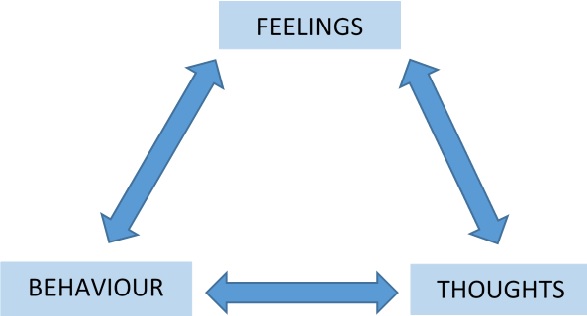
Cognitive behavioural therapy (CBT) is an evidence-based psychological therapy, most commonly used to treat anxiety disorders and depression. CBT is a talking therapy that explores the relationship between thoughts, feelings and behaviours. It is a structured, goal-oriented, skills-based treatment that uses both cognitive and behavioural techniques to change the way an individual thinks (cognitive) and what they do (behaviour). It has proven to be successful, leading to remission in approximately half of patients with anxiety or depression. Here we give an introduction to the theories and techniques used in CBT.

Continue reading

“So that means there’s nothing you can do about it…?” – Understanding the relationship between aetiology and intervention in psychiatric research

One of the main challenges associated with conveying findings from behavioural genetic research concerns the relationship between aetiology and intervention. In part, this is because of the widely-held understanding among the lay public that something being “in your genes” means that your fate is sealed. But this challenge is more than just one of addressing misconceptions. Understanding the relationship between the aetiology of a disorder and the design, implementation, and potential efficacy of interventions that target it is a hard problem – and one that must be continuously re-examined to ensure that aetiological research contributes meaningfully to the ultimate goal of improving people’s lives.

Continue reading

Cognitive behavioural therapy (CBT): could genomics be used to predict treatment response?

Recently, I completed my PhD studies in the EDIT lab, wrote my thesis, and retired to a life of luxury and leisure (or two of those three). Across the past four years I have become interested in how now-standard methods in genomics (the study of genetics across the genome) can be used to ask age-old questions about how our genetic code and life experiences influence our behaviour. Here I describe our work investigating associations between genetic variation and better response to cognitive behavioural therapy.

Continue reading

© 2026 The EDIT Blog

Theme by Anders Norén — Up ↑