The EDIT Blog

Research on the development and treatment of emotional disorders, discused and digested by the EDIT Lab Team and collaborators

Page 24 of 27

Microbes and minds

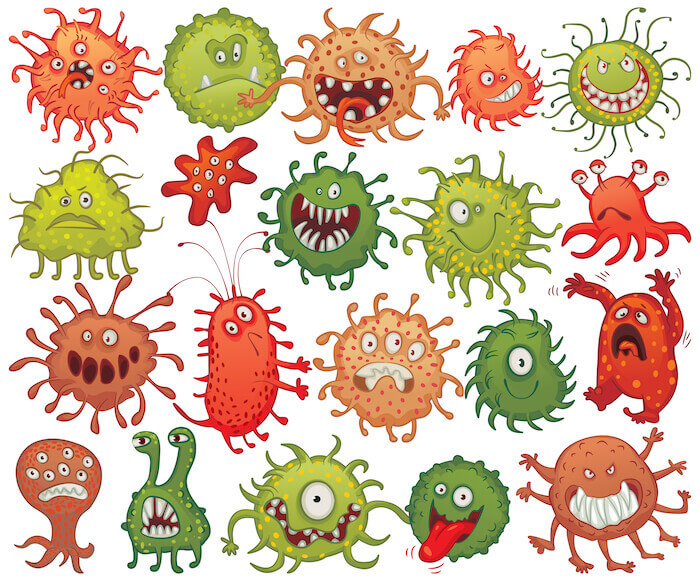
 It might surprise you that your body is made up of only 10% human cells. There are trillions of microscopic creatures living and dying all over you, and these are particularly diverse and numerous in the human gut. Mounting evidence suggests that microbes aren’t all enemies but are vital to our functioning, influencing our metabolism, health, behaviour, and quality of life. The deep collaboration between humans and their commensal microbes is the focus of much new research that invites us to think about ourselves differently. This article looks at some of the bold claims made from this young field.
 

Continue reading

“So that means there’s nothing you can do about it…?” – Understanding the relationship between aetiology and intervention in psychiatric research

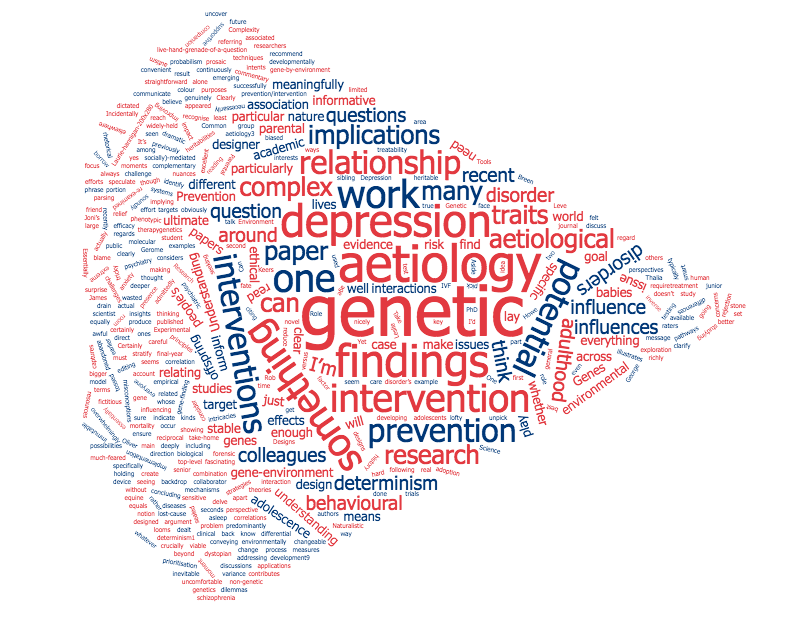
One of the main challenges associated with conveying findings from behavioural genetic research concerns the relationship between aetiology and intervention. In part, this is because of the widely-held understanding among the lay public that something being “in your genes” means that your fate is sealed. But this challenge is more than just one of addressing misconceptions. Understanding the relationship between the aetiology of a disorder and the design, implementation, and potential efficacy of interventions that target it is a hard problem – and one that must be continuously re-examined to ensure that aetiological research contributes meaningfully to the ultimate goal of improving people’s lives.

Continue reading

Cognitive behaviour therapy for adolescent body dysmorphic disorder: latest findings and future directions

Body dysmorphic disorder (BDD) affects up to 2% of the population and is associated with serious impairment and disruption among sufferers. Yet, compared to other psychiatric problems, it remains relatively under-researched. Here, I describe our findings from a recent study of the efficacy of cognitive behavioural therapy for adolescent BDD.

Continue reading

Mad, bad, or sad? A parental perspective on improving well-being in our children and young people

As a developmental psychologist I’m pretty aware of the signs and symptoms of depression and anxiety. However, our school recently ran an evening lecture on supporting well-being in our children and It really made me think about things in a different way – and in particular, to consider how anxiety and depression can masquerade as all sorts of other emotions. This week is Child Mental Health week, so it seems a good moment to reflect on how we can support the well-being of children around us.

Continue reading

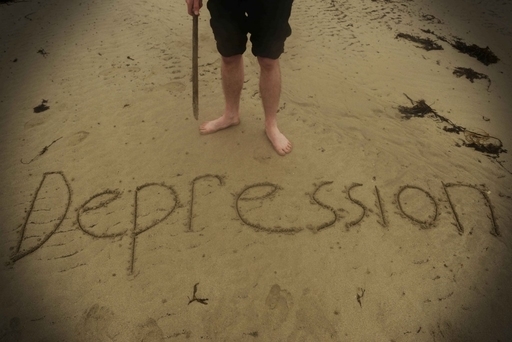
Depression, developmental change, & the home environment: a summary of our latest research paper

Clearly, the onset of depressive symptoms, at any stage of an individual’s life, is a cause for deep concern among loved ones. But the emergence of such problems in young children and adolescents is especially worrisome for parents – and never more so than when it coincides with problems at home. 

But what really underpins the link between children’s emotional problems and their home environments – and how does the onset of adolescence change things? These questions are at the heart of our latest piece of research, published this week in the Journal of Child Psychology and Psychiatry.

Continue reading

« Older posts Newer posts »

© 2026 The EDIT Blog

Theme by Anders Norén — Up ↑