It’s about 18 months since I started my latest fellowship, and I am still a couple of years away from the feeling of impending doom that will no doubt accompany the last 18 months of my contract. So as I sit here on my temporary island of temporary calm I thought that I would share some thoughts and advice that I hope will be of use to anyone thinking of applying for fellowships themselves…
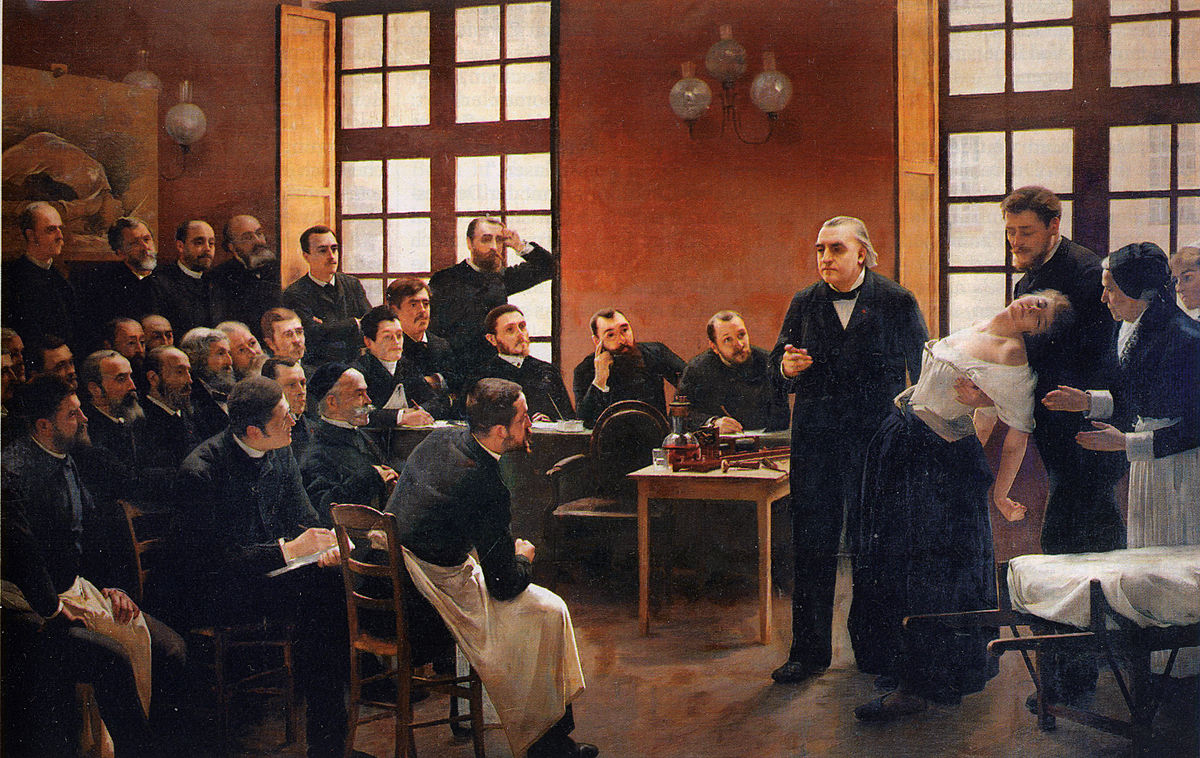
Gender conventions and expectations have shaped the history of research into mental illness. Going forward we must be conscious of this influence – and encourage more males to participate in psychological research.
The American Journal of Medical Genetics has dedicated its March issue to the study of anxiety, including a contribution from our own lab! Here, I summarise some of the exciting developments it describes.
As an avid film lover with a paired weakness for the attractive buzz and glamour of the red carpet award shows, I felt completely swept up in the excitement of the film awards season. It was therefore only natural for my friends and I to find ourselves huddled around my laptop screen in the small hours of a Monday morning, to watch the most reputable awards show of them all; The Oscars.
I was recently chatting with an early career researcher in a colleague’s group, who had read some of the pieces on our blog about balancing different activities. He was particularly interested to hear my thoughts about saying no… So here they are.
Thalia’s recent blog post highlighted the devastating fact that suicide is now the leading cause of death of young people (ages 20-34) in England and Wales. Moreover, the issue of the gender difference in suicide rates was raised. Thalia’s post noted that “whilst women are much more likely to be diagnosed with anxiety and depression, suicide rates show quite the opposite pattern. Approximately 4 times as many young men take their own lives as young women in any one year.”
Children in the UK start primary school in the September following their fourth birthday. This means that summer born babies can start school almost a year earlier than their autumn born peers. In this post, Alison Pike outlines the disadvantages of this system for summer born babies, alongside some possible solutions.
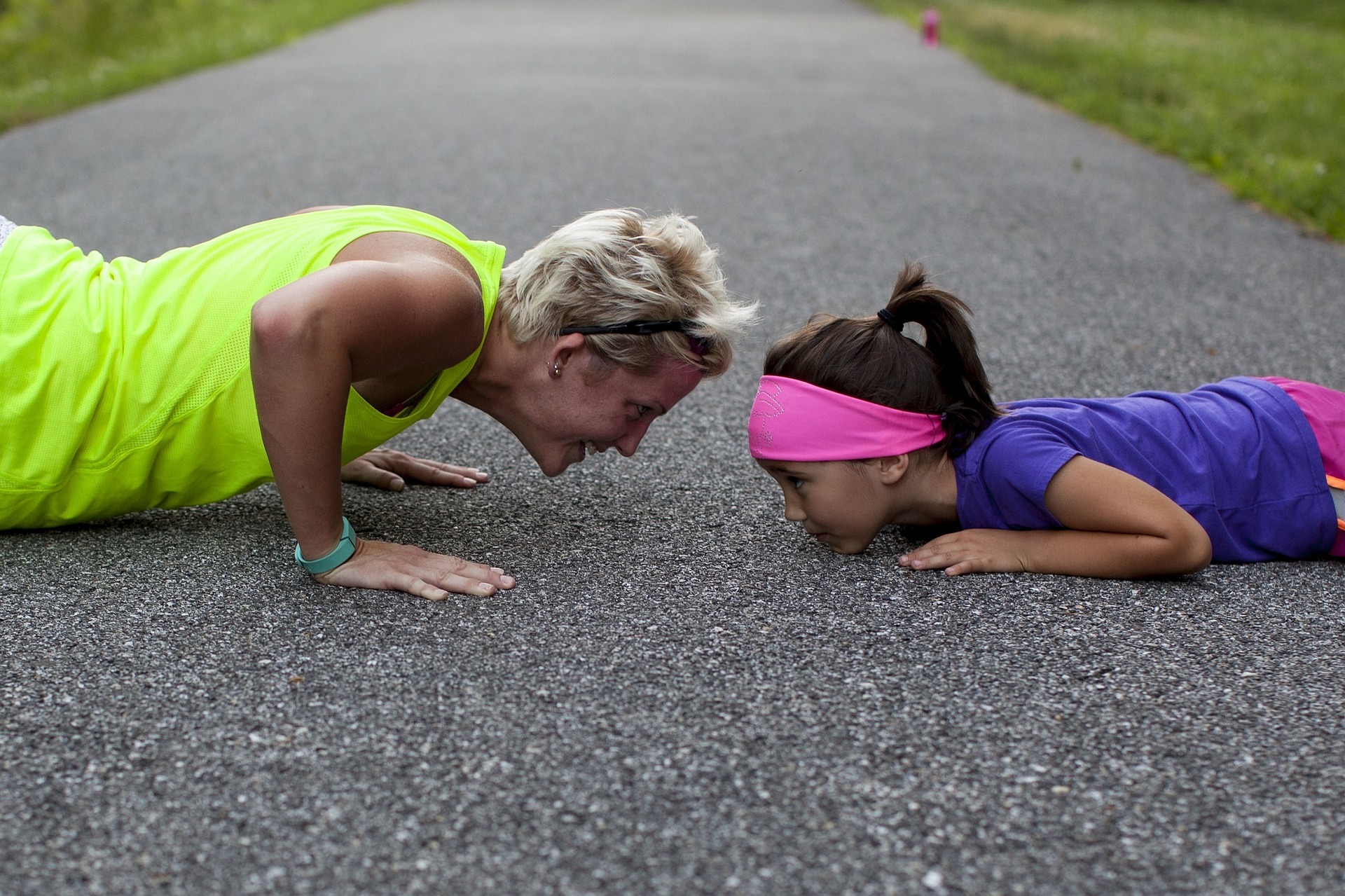
In May this year I’ll be running my first marathon. Training is gruelling and involves running upwards of 40km a week, my legs ache for a significant amount of the time, and I’ve had to turn down Sunday brunch on more than one occasion – my excuse being “…but my long run is that day and I need to hit my weekly target!”
This has led a lot of people to ask me: “WHY are you doing this to yourself?”
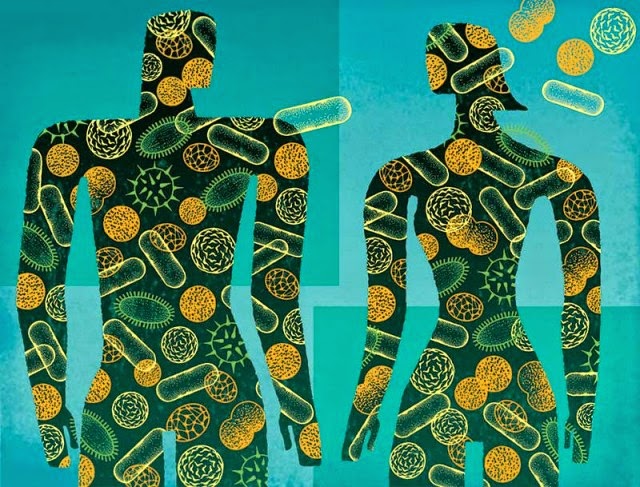
Microbiome research has not yet reshaped our conceptions of mental health etiology and treatment (see my previous article), but it should be causing havoc in the social sciences – particularly for anthropologists, who have long sought to understand cross-cultural conceptions of the ‘individual’ and ‘relatedness’.
A friend of mine recently gave birth to a beautiful baby boy, but within months she was at the end of her tether with sleep deprivation. Like many parents, she was confused by conflicting advice from midwives, nurses and well-meaning friends – not to mention the many books available. But as a professor of psychology who specialises in sleep research, my advice was to consider the science, then make a choice that suits the whole family. This advice is shared by paediatric sleep experts worldwide who have now introduced Baby Sleep Day on March 1.