Page 14 of 27

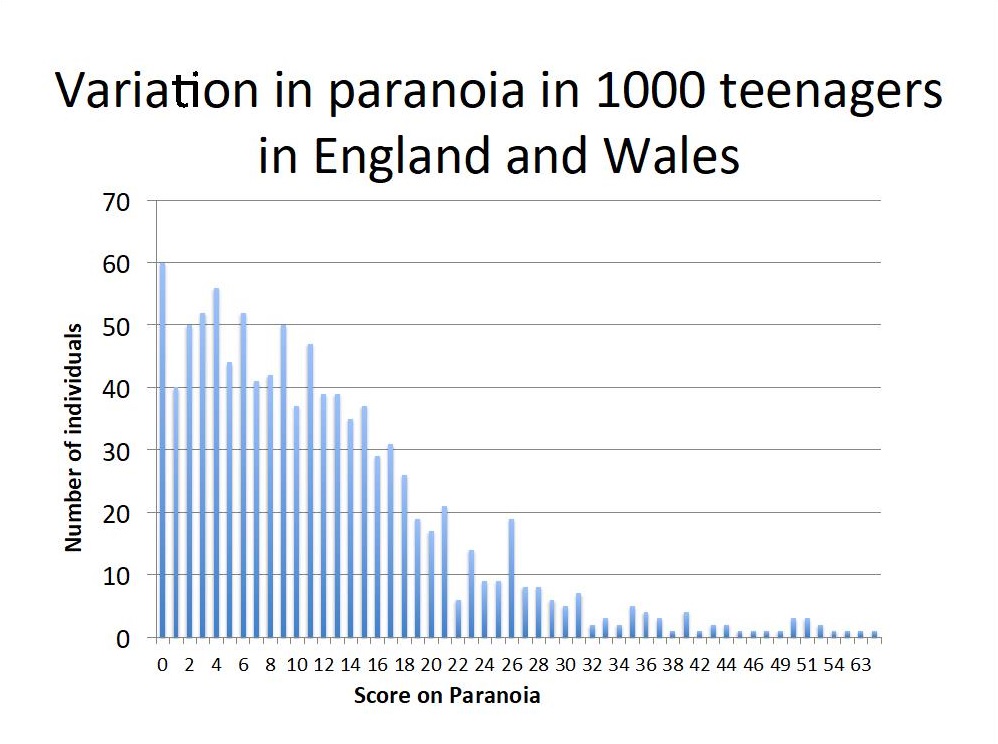
In today’s blog post, Professor Angelica Ronald [guess contributor to our blog] outlines the genetic and environmental causes of paranoid thoughts.

Next in the A-Z series, Joni, Kirstin and Rosa are combining the letters X and Y in a blog post all about the X and Y chromosomes.

Today Georgina [clinical psychologist and PhD student in our group] walks us through a recent study with implications for understanding OCD and its’ development.

Continuing our A to Z series, Meredith [placement student] describes in this blog post the concept of mental well-being.

Why do some people struggle emotionally after experiencing stressful events, but not others?

It is often discussed how strange it is that people are so different to their family members. After all, shared genes and a shared home environment should lead to strong family resemblance, right?
Not necessarily.

For the letter T in our A-Z series, Chris discusses the emerging field of Therapygenetics.
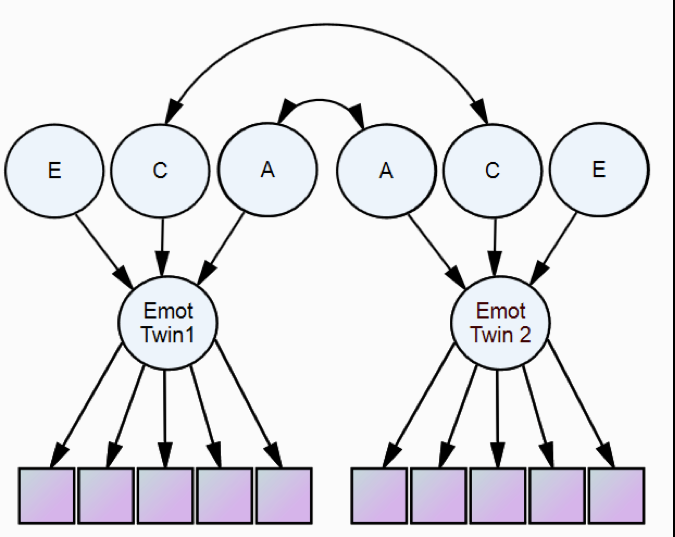
This blog explains our latest publication in which we analysed Twins Early Development Study data on emotional problems across childhood and adolescence. Accurate assessment is difficult but essential if we are to understand the influences on emotional problems. We took advantage of longitudinal data (i.e. taken across time) to define a core trait: stable emotional problems. This trait is highly heritable and significantly increases power for research. Continue reading
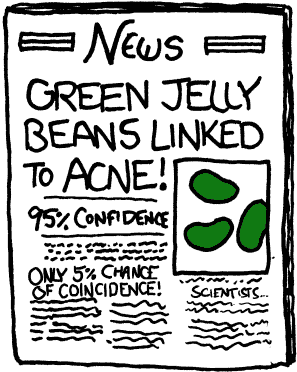
This week for our S blog, we bring a post on the important issue of statistical significance, written by a guest blogger from the Said & Dunn blog, led by Dr Erin Dunn. This post is by Khalil Zlaoui, a graduate student in the Dunn Lab. We are very grateful to him for sharing this content with us. The standard measure of statistical significance in science (i.e. whether you believe a result is true) is when your effect is associated with a p value of less than 0.05. What this means is that you would expect that finding by chance no more than one in twenty times. Here Khalil discuss various problems with that approach and suggestions that have been made to address them.