Research on the development and treatment of emotional disorders, discused and digested by the EDIT Lab Team and collaborators

Author: EDIT Lab guest contributor (Page 2 of 9)

S for Sexual Orientation

Next in the ‘A-Z’ series is S for Sexual Orientation. Higher rates of psychological distress among sexual minorities is not due to shared genetic influences. In this blog, Kunle looks at applying genetic research designs to investigate the links between sexual orientation and mental health difficulties. 

Kunle, psychiatrist; a higher trainee in Child and Adolescent Psychiatry in Cardiff


What is sexual orientation?

Sexual orientation describes the pattern of one’s sexual attraction over time. Traditionally, one can be gay (i.e., be attracted to the same sex as oneself, also lesbian for women) or bisexual (attracted to both sexes). Other sexual orientations are possible such as being asexual (no sexual attraction to any of the sexes) or pansexual (sexual attraction to all sexes and genders). However, because most of the research involving genetics are focused on those who are lesbian, gay or bisexual (LGB), I will focus on this group for here.

Genetics and sexual orientation research

Genetic studies have found that sexual orientation is influenced by many genes each having a small effect, as well as non-genetic processes. Genetic research has also been used to investigate the links between being LGB and the risk of experiencing mental health difficulties.

Sexual orientation and mental health

Unfortunately, it has been repeatedly shown that LGB individuals experience more mental health difficulties compared to those who are heterosexual (or ‘straight’ i.e., sexually attracted to the opposite sex alone). These mental health difficulties include high levels of depressive and anxiety symptoms (sometimes jointly called psychological distress) and substance use problems. Most research suggests that the higher rates of mental health difficulties among LGB individuals are due to ‘minority stress’. Minority stress refers to the negative experiences LGB individuals experience due to their sexual orientation such as discrimination, expecting stigma, hiding one’s sexual orientation and self-stigma.

Genetics, sexual orientation and mental health

However, another line of research suggests that the link between being LGB and psychological distress may be due to shared genetic factors. Using the twin design (see Thalia’s blog on twin methods) and genomic approaches, previous studies have found overlaps in the genetic influences on sexual orientation and those on psychological distress. Very loosely, this could mean that the same genetic factors that make an individual LGB can also make them more likely to be distressed and anxious.

In my recently completed PhD, I tested whether the higher rates of psychological distress among LGB individuals were due to shared genetic influences or non-genetic processes. My research indicated that shared genetic influences were not an adequate explanation for the higher rates of psychological distress among LGB individuals. Rather, this association is better understood as reflecting non-genetic processes (such as minority stress). By combining the twin design with genomic data, I was able to specifically show that the experiences of being LGB can cause psychological distress and that these experiences include experiencing more victimisation than heterosexual individuals. Interestingly, my research also suggested that experiencing psychological distress may make some LGB individuals more likely to acknowledge their sexual orientation, but this needs to be further studied.

Conclusion

The key take-home messages are that being LGB is influenced by several genes working at the same time but each having a small effect; and that the link between being LGB and experiencing psychological distress is due to non-genetic processes. It may therefore be possible in the future to greatly reduce this increased risk for psychological distress among LGB individuals by reducing minority stress and other burdens. However, more research is needed to understand exactly how the higher rates of psychological distress happen.


Bibliography

Ganna, A., Verweij, K. J., Nivard, M. G., Maier, R., Wedow, R., Busch, A. S., … & Zietsch, B. P. (2019). Large-scale GWAS reveals insights into the genetic architecture of same-sex sexual behavior. Science, 365(6456), eaat7693.

Zietsch, B. P., Verweij, K. J., Heath, A. C., Madden, P. A., Martin, N. G., Nelson, E. C., & Lynskey, M. T. (2012). Do shared etiological factors contribute to the relationship between sexual orientation and depression?. Psychological Medicine, 42(3), 521-532.

Oginni, O. A., Lim, K. X., Purves, K. L., Lu, Y., Johansson, A., Jern, P., & Rijsdijk, F. V. (2023). Causal influences of same-sex attraction on psychological distress and risky sexual behaviors: evidence for bidirectional effects. Archives of Sexual Behavior, 52(3), 1213-1228.

Oginni, O. A., Lim, K. X., Rahman, Q., Jern, P., Eley, T. C., & Rijsdijk, F. V. (2023). Bidirectional causal associations between same-sex attraction and psychological distress: Testing moderation and mediation effects. Behavior Genetics, 53(2), 118-131.

O for OCD

Next in the ‘A-Z’ series is O for OCD. Bioresource Placement Student Hollie details her own lived experience with Obsessive Compulsive Disorder (OCD).


Introduction

My name is Hollie and I’m a final year psychology student at the University of Bath, and last year I was lucky enough to spend my placement year at the SGDP, working with the Bioresource team on the Genetic Links to Anxiety and Depression (GLAD) study and the Eating Disorders Genetics Initiative (EDGI). These are large-scale studies seeking to identify environmental and genetic contributions to mental health conditions. I was drawn to both psychology and the research placement at the IOPPN – at least in part – because of my own experiences with mental health. I was diagnosed with obsessive compulsive disorder at age 11, having just started at secondary school which, I suppose, must have been scarier than I expected! I’m writing this post to share what it can be like to live with OCD, because it is hugely misrepresented in the media, but I’d also like to highlight that OCD can present in so many different ways, and can be far more debilitating than my own experiences.

The beginning

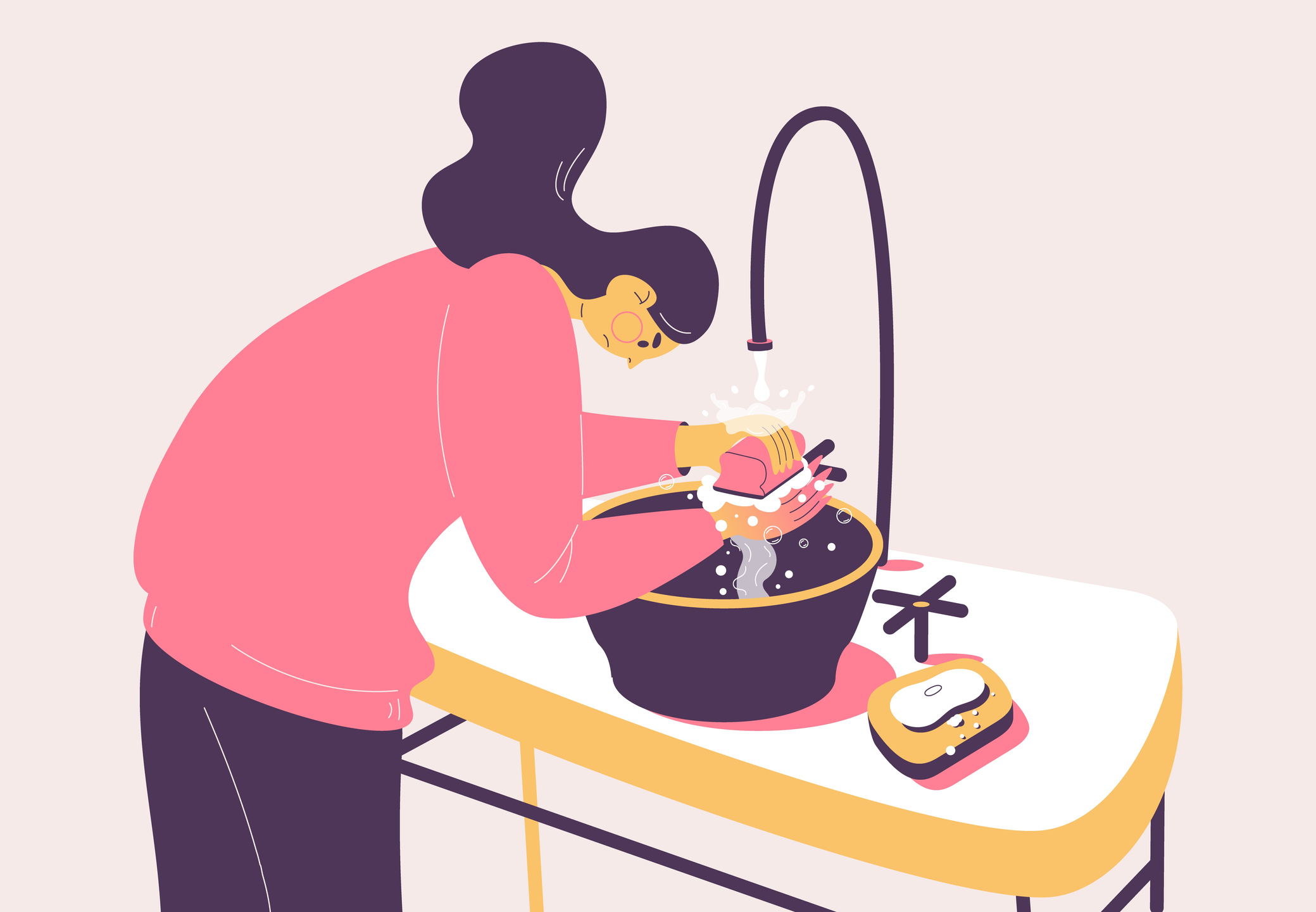
The tricky thing about mental health is that you can’t see it (shocking, I know- but wouldn’t things be easier if we could?). Plenty of conditions can present in similar ways, and some symptoms can be brushed off as just an odd quirk or a unique personality trait. The exact nature of a problem can still be difficult to identify, even in yourself, especially considering we aren’t taught much about the mind in the same way we are about the body. And so, when at age 11 I started spending ages at the sink, scrubbing my skin into a flaky mess, using copious amounts of hand-wash and refusing to leave the bathroom, it’s safe to say my parents were pretty confused. I’d always done as I was told, and my sudden reluctance to get out of the shower and stop wasting so much water was out of character. Eventually it got to the point where I was spending so long on my various hygiene rituals that I couldn’t get to school on time and ended up not going in for a while… leaving all day for my rituals to develop.

Getting help

I like to imagine that the first part of my poor mum’s conversation with the GP went something along the lines of “What on earth is wrong with my child?” and to be honest, I think he was as confused as she was. He told her not to do anything to distress or upset me – i.e. allow me to perform my rituals to my heart’s content (retrospectively, perhaps not the most effective technique) – and referred me to CAMHS (Child and Adolescent Mental Health Services). The psychologist at CAMHS diagnosed me with OCD fairly quickly and explained the treatment: cognitive behavioural therapy, or CBT.

By this point, I was walking around the house with my hands held up like a meerkat to avoid touching anything and risking contamination, lest I need to go back to the bathroom and start the exhausting handwashing process again. I had some sort of morality/lying obsession, and I remember scattering “I think” or “I’m not sure though” throughout my speech to make sure I didn’t tell someone something wrong. I spent a few weeks off school because it had been impossible for me to get in on time, and the friend I had always walked to school with was becoming quite concerned when she knocked on the door every day for my mum to tell her I was still “poorly” and not going in today. I was spending literally hours in the bathroom; my mum took time off work to look after me, but there was little she could do. OCD was controlling my entire life. I barely left the house, I couldn’t touch anything because I was terrified of contamination, I couldn’t touch my pet mouse (yes, for fear of contaminating the mouse), and I was living in constant anxiety. It wasn’t a fun time, but I’m lucky enough to have wonderful parents who pulled me out.

 Therapy

The therapist I met with explained OCD to my parents and me. She described it as an alarm bell ringing when it isn’t supposed to. She asked me to explain what exactly I was worried about. Why did it matter if my hands were dirty? What was going to happen? Although some people with OCD are fearful of specific consequences if they fail to perform their rituals, mine was more of a feeling. I didn’t like these questions, I just had to feel clean enough, and certainly did not want to feel contaminated.

 To be honest, I hated my therapist. Looking back, she was probably quite skilled – encouraging my parents to engage with my exposure-response therapy – but the 11-year-old in the chair only saw a woman trying to make her as anxious as humanly possible. My parents weren’t particularly keen on the idea of putting me on medication at such a young age – I don’t imagine many would be – but after a few sessions it became apparent that I was too anxious to engage with therapy, so I started taking a small dose of Sertraline. 

These little tablets that I started taking with my breakfast seemed like magic. It was bizarre: all of a sudden, I could touch the new book that my aunt had sent me. It had been sitting, untouched, on the mantelpiece for days, but I was so worried about contaminating it that I decided it was best to leave it as an ornament. Now, I’ve learned that it takes at least a couple of weeks for SSRIs to kick in chemically, but I must’ve been so desperate for a solution that the placebo effect made me feel a little better in a couple of days. I began to engage with the therapy a little more, and perhaps even hate the therapist a little less.         

My CBT sessions included writing lists of anxiety-inducing situations and rating them. I had to practise experiencing things that caused me lower amounts of anxiety (perhaps touching the tap) and then live with the anxiety and delay the compulsion (hand washing) and observe the anxiety decreasing over time. Gradually I progressed to situations that would cause more intense anxiety. I also had to try delaying the compulsions and had to tally things like how many pumps of soap or how many times I washed my hands, and progressively bring them down. Although the Sertraline helped keep my anxiety at a more manageable level, going against every instinct I had by contaminating myself was very distressing. I had my parents to help me; my dad tried hard to distract me from the obsessions whilst I delayed the compulsions. His approach tends to be that distraction is the best policy, and he was right… but I don’t think I thought so at the time.

They were trying their very best to encourage me to go back into school, but I was terrified. School toilets are not a pleasant experience for anyone, let alone me, and every surface at school seemed like a prime location for contamination. If I touched something dirty, I’d have to wash my hands. But that meant going into the school loos and touching the dirty taps! Sometimes I’d psych myself up enough to walk to school with Dad but would end up coming back with him because I couldn’t do it. But as my therapy progressed and my dosage increased, I was able to go into school more and more, to go back to walking in with my friend rather than my parents, and even eventually to go into the school bathrooms. I remember telling a friend at school that I had OCD, and the girl in front of me turned around, looked down her nose at me, and said “You can’t have OCD, your desk is way too messy”. This is a great example of the misinformation circulating about the condition.


Now, I’m in my 4th year at university and I’m 21, and I’ve been on Sertraline on-and-off for nearly 10 years now. Thankfully, my OCD is currently well managed, but there have been a few blips over the years, when I’ve adjusted my dosage, and tried CBT again a few times. I think the main point I want to get across is that OCD is a real condition, and real people are affected by it. It isn’t just a TV show character who likes to line their pencils up, and you aren’t “so OCD” because you like to keep your room tidy. My room is a tip, and I couldn’t care less what order my pencils are in… let alone how messy my desk is. But I also want to highlight that my experiences do not reflect those of everyone with OCD. My symptoms fit the stereotype quite nicely to an extent, but there are so many ways in which the condition can present, and it can be far more severe. Other themes in OCD include anxiety about harming others or obsessions about relationships: my friend with OCD had intrusive thoughts about hurting her little brother and the resulting compulsions involved avoiding him at any cost and refusing to touch a knife. If you want to learn more about the different types, OCD UK has a pretty good resource that I’ll link below, and it demonstrates how varied it can be. 

Thank you so much for reading (if you got this far!), and a huge thanks to the Bioresource team for providing such a wonderful placement experience, and to the EDIT lab for giving me the opportunity to share my experiences.


Links:

 https://www.ocduk.org/ocd/types/  

Autistic Pride Day 2023

Sunday 18th June was Autistic Pride Day 2023. In this blog, Bioresource Placement Student Nathan outlines the historical development of how autism has been perceived and reflects on the societal implications of shifting from the Medical Paradigm to the Neurodiversity Paradigm of perceiving autism.

Nathan, Bioresource Placement Student


Leo Kanner described autism in his paper Autistic Disturbances of Affective Contact (1943). Kanner’s syndrome was defined as having challenges communicating or understanding others, making little eye contact, and hypersensitivity to stimuli. This work was revolutionary in its move away from labels such as feeble-minded, retarded, moronic, and idiotic. Although Kanner would promote the harmful and outdated belief of the cold and uncaring ‘refrigerator mother’ causing the development of autism, it is widely agreed upon that he dedicated his life to helping and preventing the abuse of children with autism and intellectual disability. The current Diagnostic and Statistical Manual of the American Psychiatric Association (DSM-5) continues to mirror the observations of autism he made in 1943.

As with all science, Kanner was working from a paradigm when conducting his autism research: a set of shared beliefs, values, and world views which direct the research questions asked. The ‘Medical Paradigm’ of the time believed people suffered from autism and would aim to return autistic individuals to a ‘normal human baseline’. This paradigm has led to the development of interventions to reduce symptoms of autism. For example, Zhou et al. (2021) outline the different drugs which reduce repetitive behaviours in autistic individuals, concluding that antipsychotic medications are best despite their side effects of weight gain, increased risk of diabetes, and increased risk of sedation and movement disorders.

Some autistic individuals will need more support due to challenges such as epilepsy, intellectual disability, and gut and sleep problems. However, for people with lower support needs, such dedication to controlling and minimising autism, an overfocus on deficits, and neglect to consider an autistic individual’s environment have led to calls to rethink the Medical Paradigm’s place in autism science. The wider Social Model of disability, focusing on how society limits the value disabled people can offer, led to the ‘Neurodiversity Paradigm’:

  • Neurodivergence (e.g., autism, ADHD) is a valuable form of human diversity.
  • Neurodivergent development is not inferior.
  • Disability arises from an environment not being suited for an individual.

When employers and universities consider the Neurodiversity Paradigm by making simple changes, such as allocating tasks based on strengths, Hamilton and Petty (2023) show that autistic individuals no longer have to suppress (or ‘Mask’) natural neurodivergent responses. Small changes protect autistic individuals from psychological distress and disconnection from one’s identity and can help organisations develop new ways of thinking about tasks.

These developments in the way we think about autism lead us to the current year, when Autistic Pride Day is celebrated on 18 June. The day champions the Neurodiversity paradigm. Joseph Redford (2019, as cited in Autistic Empire, 2019), an organiser for Autistic Pride at London’s Hyde Park, explains that Autistic Pride doesn’t “need to take the form of public events” and that “openly stimming”, “Walking away from something you can’t handle”, and “defending your own truth, regardless of convention or tone, or social dynamics” is Autistic Pride in action.

Finally, the National Autistic Society (2020) advises effective communication with an autistic person, which can help open discussions between Neurodivergent and Neurotypical people about how all can feel comfortable and their most authentic selves. They give practical advice, such as always using one’s name, pausing between words and phrases, and avoiding open-ended questions. As always, everyone’s needs are different. However, through respectful conversations following the principles of the Neurodiversity Paradigm, intergroup anxiety can be lessened and relationships formed.


Mental Health Awareness Week: Understanding the Impact of Stress

As it was Mental Health Awareness Week last week, this week’s blog post will highlight the importance of understanding the impact of stress from a neuroscientific perspective and discuss tips on how to reduce stress. 

Sumiyah, Bioresource placement student


Stress is normal and a part of everyday life. Some stress is ‘good stress’ (such as what we feel when we are studying for an upcoming exam), as it can build stronger circuitry and resilience in the brain. However, there are two main types of stress that can negatively affect us: acute stress (short term) and chronic stress (long term). 

Stress can affect the brain in a number of ways. The sympathetic nervous system (SNS) activates the ‘fight-or-flight’ system in our brain when we experience acute stress. The hippocampus plays an important role in regulating emotions and memory and is known to shrink under long periods of stress causing impairments to memory and attention (Kaufer et al., 2014). The stress response in the brain begins in the amygdala which then activates the hypothalamic-pituitary-adrenalcortical (HPA) axis (consisting of the hypothalamus, pituitary gland and the adrenal cortex). The amygdala is primarily associated with emotion processing. The hypothalamus communicates with the rest of the body through the autonomic nervous system to regulate main bodily functions. The hypothalamus also  releases a hormone, the corticotropin-releasing hormone which triggers the pituitary gland to release another hormone, the adrenocorticotropic hormone. The adrenocorticotropic hormone produced in the pituitary gland has an essential role in stimulating the adrenal gland to release cortisol so the body’s stress response can be regulated as well as reduce inflammation. 


Research suggests that recurrent activation of the SNS and the HPA axis resulting from stress can lead to an increase in inflammation, which can influence the development of a variety of diseases (Muscatell & Eisenberger, 2012). Chronic stress results in the ‘fight-or-flight’ system being constantly amped up which can lead to sleep and digestive issues, a weakened immune system, neurodegeneration and hypertension.  

“Because stress changes the way the brain’s neurons communicate with each other, chronic stress can cause our brains, nervous systems, and our behaviour to adjust to a vigilant and reactive state.”

  • Bruce McEwen, neuroscientist from Rockefeller University

Our brains are composed of two types of tissue: grey matter (40% of the brain) and white matter (60%). Grey matter is found in the outermost layer of the brain and mainly processes and interprets information. Alternatively white matter is found beneath the grey matter and consists of myelinated axons with the role of transmitting signals to other parts of the central nervous system (CNS). Chronic stress can lead to changes in brain structure and connectivity. For example, individuals that have experienced post-traumatic stress disorder (PTSD) have differences in grey matter volume compared to white matter volume alongside changes in the size and connectivity of the amygdala. Furthermore, Kaufer et al., (2014) discovered that chronic stress and an increase of cortisol can overproduce a mass amount of myelin-producing cells leading to excess white matter volume. 

Due to the potential negative health consequences, it is important to manage stress in healthy ways. Some effective methods for managing stress include mindfulness, physical activity and having a support system to turn to (NHS, 2021). Mindfulness refers to being in touch with the present, connecting with our bodies and surroundings, and paying close attention to these sensory moments. This can help to take a step away from your thoughts and worries and remember the world around you which can help you think in a more productive manner. Alternatively, physical activity is great for reducing stress as it releases endorphins in the brain which improve mood. Exercise can also alter blood flow to areas in the brain that are affected by stress which relieves stressful thoughts and shifts your focus from what is distressing you. When feeling stressed and overwhelmed, it can also be helpful to speak to someone you trust to gain support, process your thoughts and feelings and feel less alone. 

Luckily, our brains are malleable even as adults and are constantly undergoing neuroplasticity (changes in structure of neural networks and function), indicating that our mindsets, behaviour and the stress we experience are not fixed or permanent. Understanding neuroplasticity can optimise an individual’s personal development and well-being by engaging in new activities and learning new skills. Making positive changes and using healthy coping mechanisms to manage stress can improve brain structure and connectivity, improving mood and well-being. 

References 

Bergland, C. (2014). Chronic Stress Can Damage Brain Structure and Connectivity | Psychology Today. Www.psychologytoday.com. https://www.psychologytoday.com/us/blog/the-athletes-way/201402/chronic-stress-can-damage-brain-structure-and-connectivity#:~:text=Key%20points%201%20Chronic%20stress%20triggers%20long-term%20changes

Diamond, E. (2023, April 12). Neuroplasticity: Understanding the Brain’s Ability to Change. Psychreg. https://www.psychreg.org/neuroplasticity-understanding-brain-ability-change/ 

Harvard Health Publishing. (2020). Understanding the Stress Response. Harvard Health. https://www.health.harvard.edu/staying-healthy/understanding-the-stress-response 

Muscatell, K. A., & Eisenberger, N. I. (2012). A Social Neuroscience Perspective on Stress and Health. Social and Personality Psychology Compass, 6(12), 890–904. https://doi.org/10.1111/j.1751-9004.2012.00467.x 

NHS. (2021). 10 Stress Busters. Nhs.uk; NHS. https://www.nhs.uk/mental-health/self-help/guides-tools-and-activities/tips-to-reduce-stress/ 

Snider, L. (2020, March 19). The Endocrine System: The Adrenal Glands and the Stress Response. Www.visiblebody.com. https://www.visiblebody.com/blog/the-endocrine-system-the-adrenal-glands-and-the-stress-response#:~:text=The%20hypothalamus%20kicks%20off%20this%20part%20of%20the 

What Is Neuroplasticity – How Does It Work, In Simple Terms, Examples. (2023, April 24). Www.anahana.com. https://www.anahana.com/en/wellbeing-blog/physical-health/what-is-neuroplasticity#:~:text=Some%20benefits%20of%20neuroplasticity%20include%3A%201%20Enhanced%20ability 


J for Junk DNA Does Not Exist!

 In the last few decades, non-coding DNA has been a hot topic of discussion and debate within the scientific community. In this blog, we decode the mysteries of non-coding DNA, unveiling their genetic significance beyond the “junk” label. 


Figure from: https://geneticliteracyproject.org/2021/09/17/junk-dna-the-98-of-the-human-genome-that-does-not-encode-proteins-is-often-called-useless-but-the-reality-is-more-complicated/

The discovery of the structure of DNA by James Watson and Francis Crick in 1953 was a milestone in the field of biology, marking a turning point in the history of genetics (Watson & Crick, 1953). Subsequent advances in molecular biology revealed that out of the 3 billion base pairs of human DNA, only around 2% codes for proteins; many scientists argued that the other 98% seemed like pointless bloat of genetic material and genomic dead-ends referred to as non-coding DNA, or junk DNA – a term you’ve probably come across (Ohno, 1972).

 First coined in the 1960s and later popularised by geneticist and evolutionary biologist Susumu Ohno in 1972, the term junk DNA has stuck for many years. Ohno first described that large genomes would inevitably harbour sequences accumulated over several years that did not encode any proteins, stating: “The earth is strewn with fossil remains of extinct species; is it a wonder that our genome too is filled with the remains of extinct genes?” (Ohno, 1972). Soon after his statements, scientists discovered evidence of just how prevalent and diverse non-coding DNA is in our genome. 

 The concept of non-coding DNA continued to be a shrouded mystery, with questions lingering over its true value: is it merely just junk, or something more meaningful? The debate could be summarised as “Only regions of DNA conserved across species are important” versus “If non-coding DNA is “junk”, it would have been removed from the genome during evolution.”  In the last decade new research findings – thanks to technological advancements – have compelled both sides of the argument to reconsider their views on non-coding DNA.

One of the most significant studies to challenge the notion of non-coding DNA was the ENCODE (ENCyclopedia Of DNA Elements) project (The ENCODE Project Consortium, 2012). First launched in 2003, this project aimed to investigate the role of non-coding regions in the genome. In 2012, the project released a series of papers discovering that around 75% of the non-coding DNA in the human genome underwent transcription (i.e., the process of making copies of DNA parts that contain certain instructions so that our cells can read them and use them to carry out their functions). Moreover, they found that 50% of the genome was accessible to proteins involved in genetic regulation, such as transcription factors. Transcription factors are proteins that help control which parts of our DNA are used to make different types of cells and tissues in our bodies, like light switches that can turn genes on or off depending on what cells need. ENCODE researchers also estimated that at least 80% of the genome had biochemical activity, suggesting that much of the non-protein-coding parts may have regulatory roles (The ENCODE Project Consortium, 2012). However, these findings were challenged by other scientists who claim that just because these genomic segments have access to transcription factors does not mean they have any biochemical function, and transcribing these regions is not advantageous in terms of evolution. Nonetheless, since 2012, a series of studies have gradually illuminated the function role of non-coding DNA.

 Below are three examples of studies of non-coding DNA relating to mental health disorders, including non-coding RNAs, telomeres and alternative splicing: 

  • Non-coding RNAs: Cells use non-coding DNA to produce various types of RNA molecules following transcription. RNA takes the instructions from our DNA and brings them to the parts of the cell where they can be used to make proteins. Non-coding RNAs (ncRNAs) are RNAs that are not translated to produce proteins but still have many regulatory roles. ncRNAs expressed in the brain have been implicated in the onset of major depressive disorder, schizophrenia, and bipolar disorder (Yoshino & Dwivedi, 2020). For example, studies have found a difference in the number of ncRNAs expressed in depressed patients in comparison to controls, with evidence suggesting that antidepressants can alter the aberrant expression of ncRNAs in depressed patients (Lin & Turecki, 2017). 


  • Telomeres: A significant and variable portion of non-coding DNA in genomes consists of highly repeated sequences. Telomeres, for instance, are mostly made up of these repeated sequences and are thought to help maintain chromosome integrity (shortening telomeres have been linked to ageing). Studies have found that older adults with late-life depression have shorter telomeres than controls, especially those with a more severe depressive episode, suggesting that shorter telomeres can be a marker of the severity of depressive episodes (Mendes‐Silva et al., 2021).


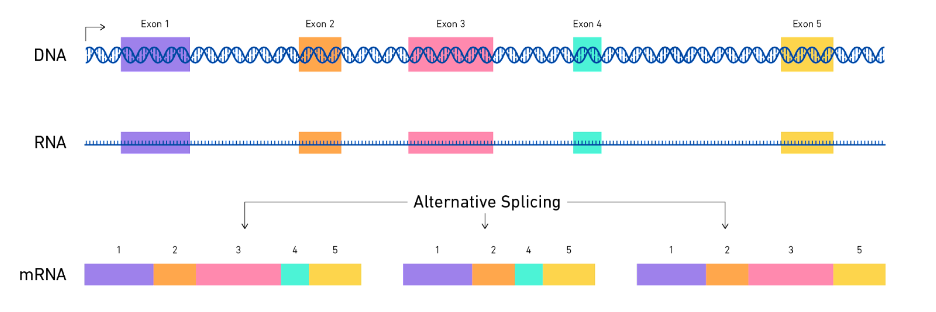
  • Alternative splicing: Alternative splicing is a process by which the same gene can produce different mRNA transcripts by selectively including or excluding certain regions of the DNA sequence, including non-coding regions. To increase expression of a gene that regulates serotonin (HTR1A) splicing removes a specific site from the RNA molecule that regulates its stability, resulting in more stable RNA. However, this splicing process is different in various regions of the brain, and studies have found it to be less efficient in people with major depression. Moreover, certain factors that control this splicing process for HTR1A RNA were also found to be reduced in people with depression. This specific non-coding region may contribute to attracting a destabilising complex that eventually results in lower levels of the serotonin receptor in the cortex (Le François et al., 2018).


Figure from: https://www.technologynetworks.com/genomics/articles/alternative-splicing-importance-and-definition-351813


Non-coding DNA has also become increasingly important in genome-wide association studies (GWAS), which aim to identify genetic variants associated with diseases or traits. While GWAS studies initially focused on coding regions of the genome, researchers have now discovered that many significant single nucleotide polymorphisms (SNPs) identified in GWAS studies actually fall within non-coding DNA, most often in introns of genes, highlighting the importance of studying these once-ignored regions of the genome in the context of disease genetics (Levings et al., 2020; Ormel et al., 2019).

Foods considered to have very little nutritional value are called junk food, or piles of email advertisements are referred to as junk mail. The term “junk DNA” implies it is just a non-coding filler of useless sequences that can inevitably be disregarded. However, growing bodies of evidence suggest that genetic variation in them has health implications. Nowadays, researchers are less likely to describe any non-coding sequences as junk because there are multiple other and more accurate ways of labelling them. The discussion over non-coding DNA’s function is not over, and it will be long before we understand our whole genome. For many researchers, the field’s best way ahead is keeping an open mind when evaluating the functional consequences of non-coding DNA and RNA, and not to make assumptions about their biological importance. 


References:

Le François, B., Zhang, L., Mahajan, G. J., Stockmeier, C. A., Friedman, E., & Albert, P. R. (2018). A Novel Alternative Splicing Mechanism That Enhances Human 5-HT1A Receptor RNA Stability Is Altered in Major Depression. The Journal of Neuroscience, 38(38), 8200–8210. https://doi.org/10.1523/JNEUROSCI.0902-18.2018

 Levings, D., Shaw, K. E., & Lacher, S. E. (2020). Genomic resources for dissecting the role of non-protein coding variation in gene-environment interactions. Toxicology, 441, 152505. https://doi.org/10.1016/j.tox.2020.152505

 Lin, R., & Turecki, G. (2017). Noncoding RNAs in Depression. In R. Delgado-Morales (Ed.), Neuroepigenomics in Aging and Disease (Vol. 978, pp. 197–210). Springer International Publishing. https://doi.org/10.1007/978-3-319-53889-1_11

Mendes‐Silva, A. P., Vieira, E. L. M., Xavier, G., Barroso, L. S. S., Bertola, L., Martins, E. A. R., Brietzke, E. M., Belangero, S. I. N., & Diniz, B. S. (2021). Telomere shortening in late‐life depression: A potential marker of depression severity. Brain and Behavior, 11(8). https://doi.org/10.1002/brb3.2255

Ohno, S. (1972). So much ‘junk’ DNA in our genome. Brookhaven Symposia in Biology, 23, 366–370.

Ormel, J., Hartman, C. A., & Snieder, H. (2019). The genetics of depression: Successful genome-wide association studies introduce new challenges. Translational Psychiatry, 9(1), 114. https://doi.org/10.1038/s41398-019-0450-5

 The ENCODE Project Consortium. (2012). An integrated encyclopedia of DNA elements in the human genome. Nature, 489(7414), 57–74. https://doi.org/10.1038/nature11247

Watson, J. D., & Crick, F. H. C. (1953). Molecular Structure of Nucleic Acids: A Structure for Deoxyribose Nucleic Acid. Nature, 171(4356), 737–738. https://doi.org/10.1038/171737a0

Yoshino, Y., & Dwivedi, Y. (2020). Non-Coding RNAs in Psychiatric Disorders and Suicidal Behavior. Frontiers in Psychiatry, 11, 543893. https://doi.org/10.3389/fpsyt.2020.543893


I for Impairment

We often think about depression and anxiety in terms of symptom severity. In this week’s blog, we explore the role functional impairment plays in those disorders, as it tends to be overlooked.

Caroline, final-year Psychology student


What is functional impairment?

Functional impairment relates to what is more commonly known as a disability. Whilst the latter term is usually associated with conditions limiting someone’s physical functioning, functional impairment is characteristic of conditions such as depression, anxiety, or schizophrenia. It can be defined as an individual’s inability to perform day-to-day tasks due to a given condition (Üstün et al., 2009). Concretely, this can include disruptions in social relationships, leisure activities, employment, home responsibilities and family life. 

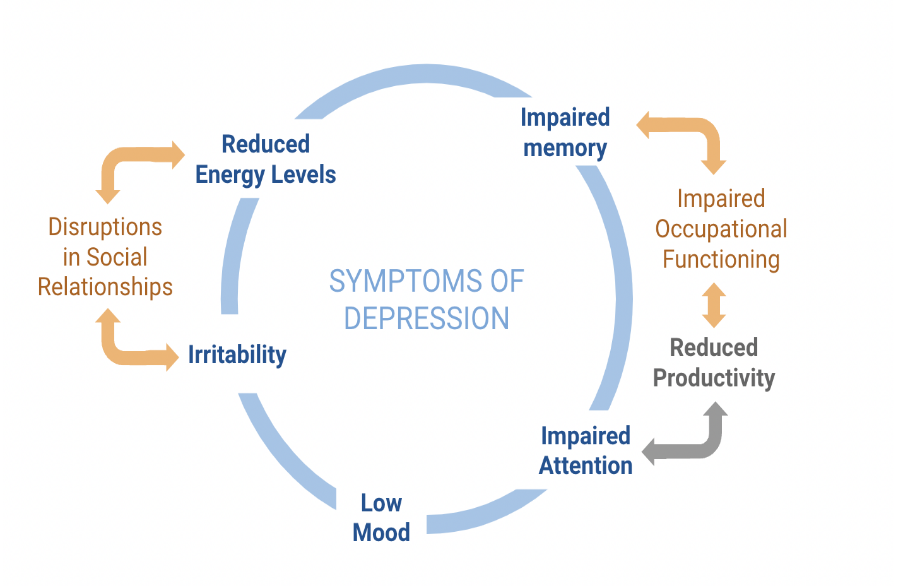
To illustrate, the diagram below shows how the symptoms of a fictious patient with a diagnosis of depression may be related to their functional impairment. This example includes various options taken from McKnight et al. (2009) and does not represent any causal relationships or the general experience of impairment, which can significantly differ between individuals. 


What is the link between functional impairment and symptom severity?

Whether functional impairment causes or is caused by a given condition is an open question and is likely to depend on individual cases and conditions. However, it seems relatively clear that it is linked to both anxiety and depression. At the same time, we know that a decrease in functional impairment does not necessarily imply a decrease in symptom severity (Skelton et al., 2021). This means that a patient can have few symptoms of anxiety yet still be unable to maintain their social relationships or fulfil their responsibilities at home. 

What does this mean for treatment?

This difference is relevant to the way we define the recovery of both anxiety and depression. Should the patient who has few anxiety symptoms but is still unable to function well at home be considered as recovered or not? Typically, clinicians use scores on standardised measures to determine the severity of someone’s condition. However, these measures focus mainly on symptom severity rather than functional impairment (Kamenov et al., 2015). As a result, sometimes a patient is currently considered better whilst retaining a high level of functional impairment. This is true even though many patients with depression have said that a return to their usual level in terms of functioning was one of the most important factors determining their recovery (Zimmerman et al., 2006). In recent years, researchers and clinicians have begun to consider how to incorporate functional impairment into measures of treatment outcome, but much remains to be understood.


Why is it important to think about functional impairment?

Depressive and anxiety disorders are leading factors contributing to the global burden of disease (GBD 2019 Mental Disorders Collaborators, 2022). Functional impairment is one of the key contributors towards their financial burden. In addition, it is incredibly important as it significantly influences likelihood of relapse (Hardeveld et al., 2009). Furthermore, at the end of the day, for someone to truly be better, they not only need to feel better, but be back to their usual self in terms of their daily life. 


References:

GBD 2019 Mental Disorders Collaborators. (2022). Global, regional, and national burden of 12 mental disorders in 204 countries and territories, 1990–2019: a systematic analysis for the Global Burden of Disease Study 2019. The Lancet Psychiatry, 9(2), 137–150. https://doi.org/10.1016/S2215-0366(21)00395-3

Hardeveld, F., Spijker, J., de Graaf, R., Nolen, W. A., & Beekman, A. T. F. (2009). Prevalence and predictors of recurrence of major depressive disorder in the adult population. Acta Psychiatrica Scandinavica, 122(3), 184–191. https://doi.org/10.1111/j.1600-0447.2009.01519.x

Kamenov, K., Cabello, M., Coenen, M., & Ayuso-Mateos, J. L. (2015). How much do we know about the functional effectiveness of interventions for depression? A systematic review. Journal of Affective Disorders, 188, 89–96. https://doi.org/10.1016/j.jad.2015.08.035

McKnight, P. E., & Kashdan, T. B. (2009). The importance of functional impairment to mental health outcomes: A case for reassessing our goals in depression treatment research. Clinical Psychology Review, 29(3), 243–259. https://doi.org/10.1016/j.cpr.2009.01.005

Skelton, M., Carr, E., Buckman, J. E., Davies, M. R., Goldsmith, K. A., Hirsch, C., Peel, A., Rayner, C., Rimes, K. A., Saunders, R., Wingrove, J., Breen, G., & Eley, T. C. (2021). Trajectories of depression and anxiety symptoms during psychological therapy for common mental health problems. https://doi.org/10.31234/osf.io/8scpx 

Üstün, B., & Kennedy, C. (2009). What is “functional impairment”? Disentangling disability from clinical significance. World Psychiatry, 8(2), 82–85. https://doi.org/10.1002/j.2051-5545.2009.tb00219.x

Zimmerman, M., McGlinchey, J. B., Posternak, M. A., Friedman, M., Attiullah, N., & Boerescu, D. (2006). How Should Remission From Depression Be Defined? The Depressed Patient’s Perspective. American Journal of Psychiatry, 163(1), 148–150. https://doi.org/10.1176/appi.ajp.163.1.148

F for FLARe

Once only possible in lab based experiments, we are now able to test people’s learning of fear via their smartphones, facilitating bigger experiments and better data.

Tim Kerr, EDIT Lab PhD student


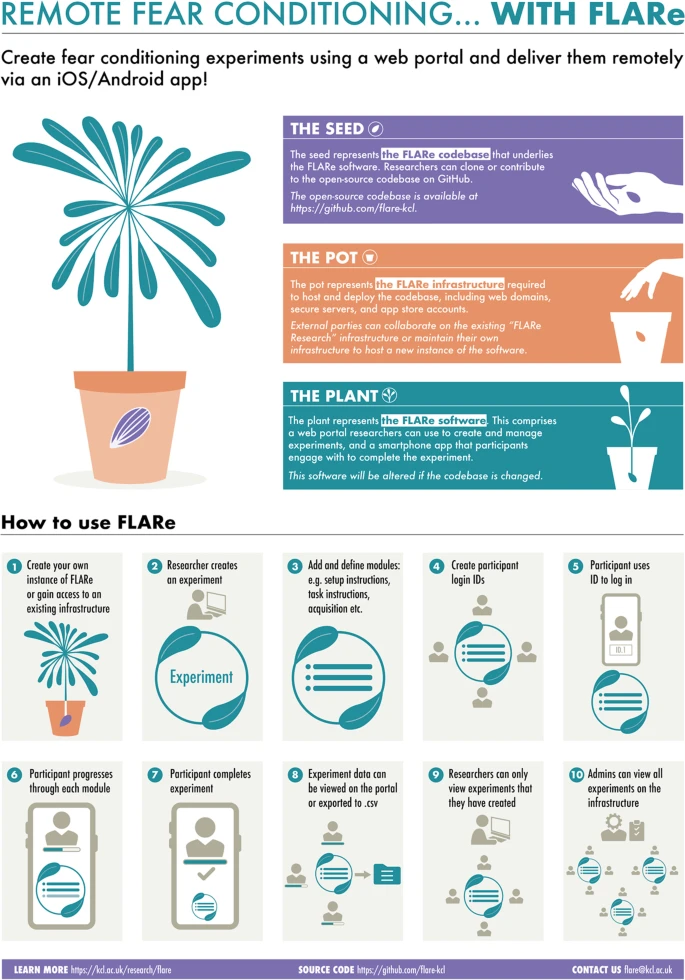
F stands for FLARe. And FLARe stands for Fear Learning and Anxiety Response. It is the name of our bespoke software, which we use to remotely deliver experiments to many participants, using only their smartphones.

In previous blogs, we have discussed fear, the emotion which keeps us safe from harm. But it is also an emotion which can become problematic, preventing us from engaging in certain aspects of life, through specific phobias (look out for our blog on this subject in the spring). It is also an emotion central to the development of anxiety disorders, discussed in more depth here.  

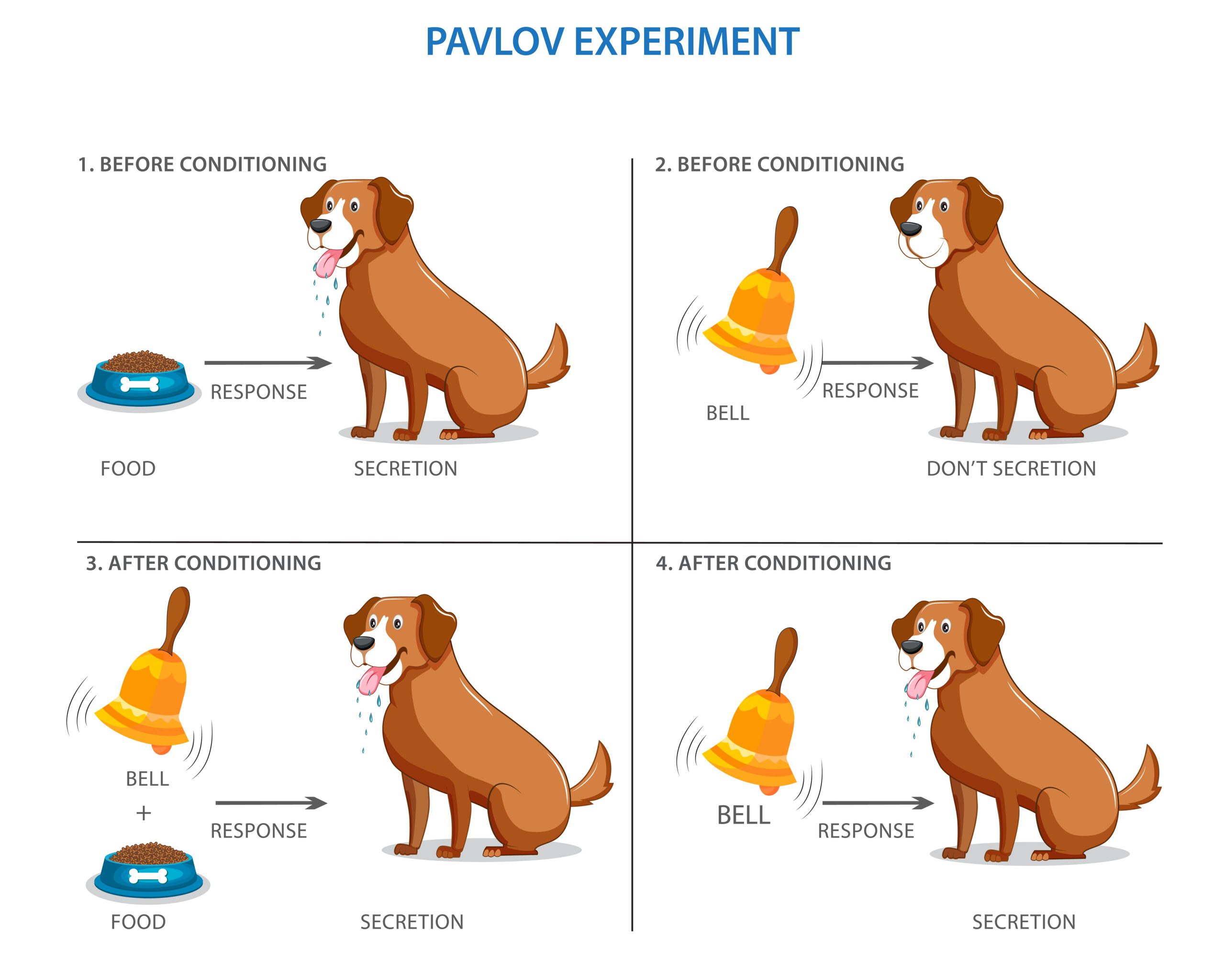
People’s ability to acquire fear can be tested experimentally, through a process called conditioning. Pavlov conditioned animals to salivate to the sound of a bell ringing. But hunger is only one emotion that can be conditioned in such a way. Another is fear, through a fear conditioning paradigm.

Similar to Pavlov’s experiments, modern fear conditioning paradigms expose participants to an object, like a coloured shape, alongside an unpleasant stimulus, such as an electric shock or loud noise. Like a child learning that the cooker is hot by burning their hand, here through a similar learning process, participants associate the coloured shape with an unpleasant stimulus. When they are later shown the coloured shape alone, they demonstrate a fear response. This can be measured through physiological changes such as sweating or increases in heart rate, or though asking the participant to rate their fear.  

In contemporary fear conditioning paradigms, this association is later extinguished, through a reversal of the process. The coloured shape is shown without the delivery of the unpleasant stimulus, and eventually the association is broken. Usually, this paradigm takes place within a laboratory. This allows for greater control of participant behaviour and reduces the likelihood of random events interfering with the experiment.  

A drawback of this classical approach is the time and expense required to facilitate data collection from participants in person. Often this causes small sample sizes, and samples which don’t represent society at large – it’s not uncommon to see psychology experiments in the literature having used only a small sample of 20 or so undergraduate students. 

However, with the advent of the internet, and the ubiquity of connected devices, psychological experiments have started to move online. Experimental paradigms can now be remotely delivered to thousands of participants, in a fraction of the time and cost required for in-lab experiments. We designed and built FLARe with this principle in mind. 

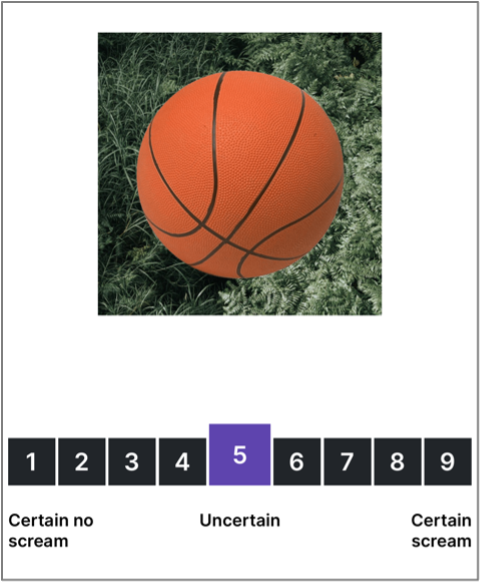
Participants we invite can download the FLARe app to their smartphones. They then participate in the same paradigm as they would in the lab, modified to be compatible with remote usage. For the unpleasant stimuli, we use a loud noise played through the participants headphones. To measure the fear response, we ask them to rate how much they expected the loud noise, in addition to other questionnaires.  

A key question, is whether the remote paradigm, delivered by FLARe, replicates results of classical, in person fear conditioning. We therefore set out to validate the app, testing the same people in the lab one week, and via the app in the second week. Pleasingly, we reported that the two methods of delivery produced consistent results, indicating the remote paradigm produces reliable data. (Purves et al., 2019).

Following validation, we were then able to use the app to collect fear conditioning data from participants in our ongoing genetics studies, such as the Twins Early Development Study (TEDS). Indeed, the rationale behind wanting a remotely delivered paradigm, was to facilitate fear conditioning data collection within the large sample sizes needed in genetics research. We have used FLARe data to demonstrate that genetic factors contribute to fear development (Purves et al. 2021), and that anxious people show different fear conditioning responses to non-anxious (McGregor et al. 2020). 

To further highlight the main advantage of FLARe, whilst it took 15 months to acquire the approximately 250 participants for the in-lab validation study, it took only three to remotely gather data from the 2000 participants in a later study. 

We hope that other labs will choose to use FLARe to acquire similar data. For this reason, we are providing access to our FLARe infrastructure to other researchers. We have also made the software open-source, with the code available on our GitHub (https://github.com/flare-kcl). This will open the possibility for future meta-analytic studies, where more data from many studies can be combined to reinforce findings.  

We will continue to develop FLARe, along with our industry partner, Torchbox (https://torchbox.com). And we are looking into new ways to process and analyse the data collected, with the aim of understanding the genetic mechanisms underlying the development of fear, and anxiety disorders.  

Read our paper introducing the latest version of FLARe here.


References:

Purves, K. L., Constantinou, E., McGregor, T., Lester, K. J., Barry, T. J., Treanor, M., Sun, M., Margraf, J., Craske, M. G., Breen, G., & Eley, T. C. (2019). Validating the use of a smartphone app for remote administration of a fear conditioning paradigm. Behaviour Research and Therapy, 123, 103475. https://doi.org/10.1016/j.brat.2019.103475 

 Purves, K. L., Krebs, G., McGregor, T., Constantinou, E., Lester, K. J., Barry, T. J., Craske, M. G., Young, K. S., Breen, G., & Eley, T. C. (2021). Evidence for distinct genetic and environmental influences on fear acquisition and extinction. Psychological Medicine, 1–9. https://doi.org/10.1017/S0033291721002580 

 McGregor, T., Purves, K. L., Constantinou, E., Baas, J. M. P., Barry, T., Carr, E., Craske, M. G., Lester, K. J., Palaiologou, E., Breen, G., Young, K. S., & Eley, T. C. (2021). Large‐scale remote fear conditioning: Demonstration of associations with anxiety using the FLARe smartphone app. Depression Anxiety, 38, 719–730. https://doi.org/10.1002/da.23146 


C for Career Case Studies, and what to do with them

Who doesn’t love a story? People’s career stories can make brilliant case studies, for inspiration and advice. This blog will help you think about where to find case studies and what to do with them once you have them.

Kate Murray, Senior Careers Consultant for Researchers


The Life Scientific thread on the EDIT blog is a wonderful way to access people’s career stories.  From Karen’s story, on moving on from a long career in the NHS, and Helen’s here, on becoming a blogger and writer on mental health matters, via some excellent advice on academic career planning from Thalia here, there are some inspiring stories and pieces of advice.  


And the internet is not short of more places to find out how people with PhDs have moved on.  Find more case studies:

  • In the researcher-specific section of King’s Careers KEATS pages (just self-enrol with your KCL IDs)
  • The IoPPN postdoc Careers Day video is a recording of a Spring 2022 event for IoPPN researchers with an incredible array of speakers who’ve moved industries
  • Research Careers is continually-updating platform with case studies of researchers
  • Don’t forget the box of treasures that is LinkedIn: used as a tool for researching job titles and employer names, it’s a never-ending source of case studies
  • And, finally, Careers in Your Ears is the podcast from King’s Careers aimed at researchers – with interviews with people from a variety of research backgrounds talking about their career journeys and issues that affect researchers.


But faced with this choice, what to do?  How does reading about others help you and your career thinking? After all, what one person does in their current role is not necessarily what you are interested in, have the knowledge to do, or would even exist in five years’ time.

In examining the how, what and why¹ of people’s case study career journeys, utilising them could support your own decision-making, fact-finding or moving roles.  Use these questions to reflect and make sense of these case studies.

How did they find out about their new roles?

How did they make that transition?

How did they shift identities as they moved on?

What did they do to be ready for a career move?

What did they have to do to apply successfully?

What do they do, day to day?

Why did they move on?

Why was that particular role, or organisation, interesting?

Why were they satisfied, or not, with their new role?


Keep being inspired by Life Scientific; come and chat if you’d like some support.

Kate Murray, Senior Careers Consultant, Careers Consultant for Researchers

References:

¹See Yin, cited in https://www.ncbi.nlm.nih.gov/pmc/articles/PMC3141799/ accessed 10/6/22

Placement students working within the SGDP!

Placement students Rishita (CoTEDS) and Mathu (TEDS) give their outlook on what it is like working at the SGDP centre. Their answers range from day- to- day life, tips for the application process as well as its influence on their future career paths.

Mathu (working as part of the TEDS project)

Rishita (working as part of the CoTEDS project)

Continue reading

« Older posts Newer posts »

© 2026 The EDIT Blog

Theme by Anders Norén — Up ↑