A giant in the field of autism: Reflections in honour of the life of Dr. Lorna Wing

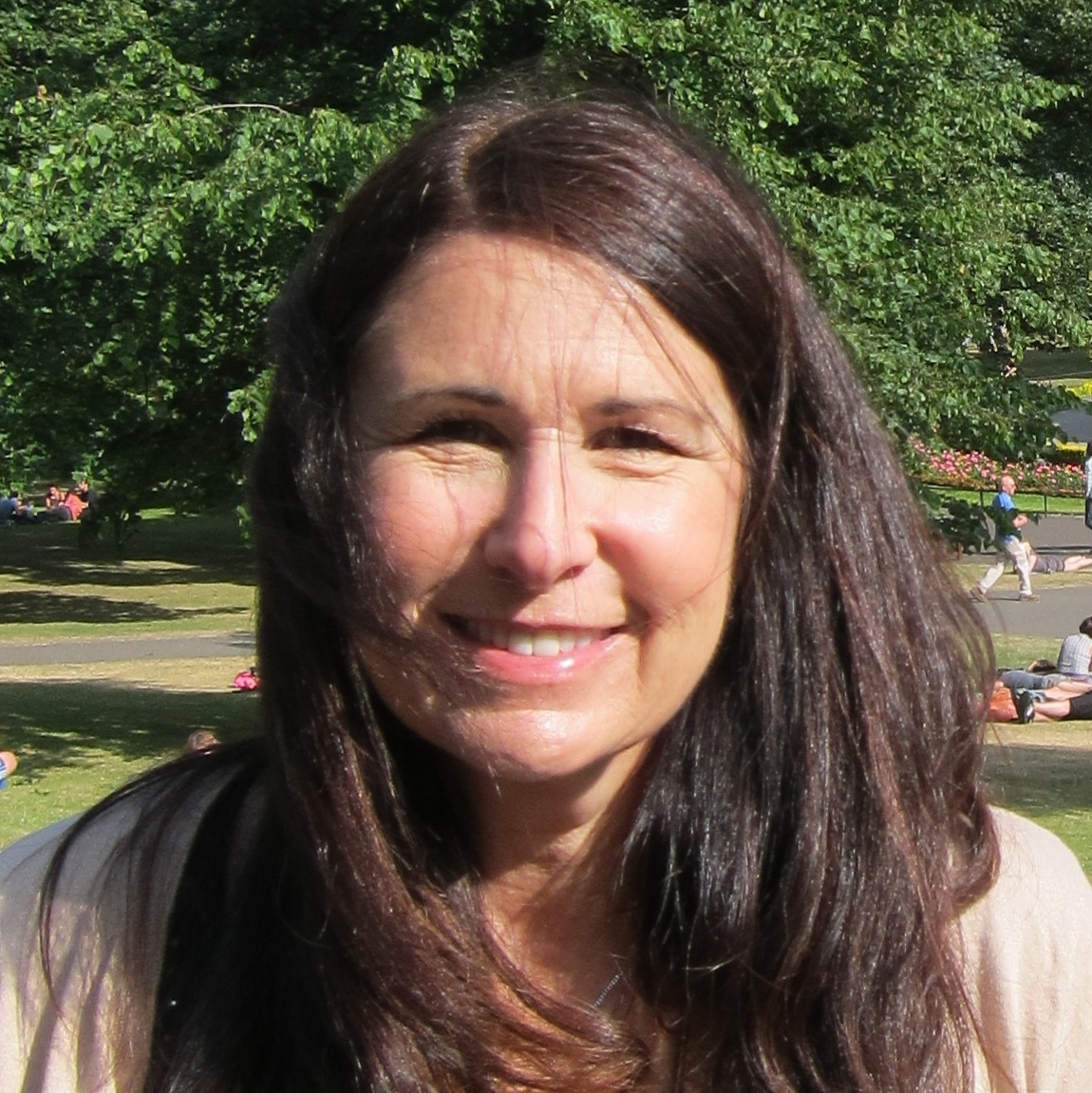
Valerie D'Astous

Valerie D’Astous

It has been said that a better tomorrow is built based on the efforts, determination and resilience of leaders of the past. English psychiatrist and physician, Dr. Lorna Wing was such a leader. She was instrumental in carving a path and showing us the way to move forward in the research of autism and improving the quality of life for individuals with autism. The world wide autism research community has lost its matriarch with Dr. Wing’s death last Friday, 6 June at the age of 85.

Dr. Wing focused her career on autism after receiving the diagnosis for her only child in the late 1950s. She was instrumental in defining autism as a spectrum, identifying the triad of impairments in autism, coining the term Asperger’s syndrome and helping to establish the National Autistic Society. She has been witness to and an agent for change in the research of autism and the autism community since its early beginnings.

Autism was first described in 1943 by American psychiatrist Leo Kanner and in 1944 by Austrian paediatrician and medical professor, Hans Asperger. Autistic Spectrum Disorder is a complex neurological developmental disorder that affects the way a person communicates and relates to people and the environment. The term ‘autistic spectrum’ is often used because the condition varies from person to person and can range in form from mild to very severe. Very little knowledge and few services were available when Dr. Wing’s daughter was diagnosed. For over 50 years, Dr. Wing was instrumental in autism research and advocacy, expanding our knowledge and promoting services and support for people with autism and their families.

In honour of the devotion and accomplishments Dr. Wing achieved in the recognition and understanding of autism spectrum disorder and for all people living on the autism spectrum we must continue her momentum, persisting in making steps in autism research, supportive services and collectively working towards what we have yet to achieve.

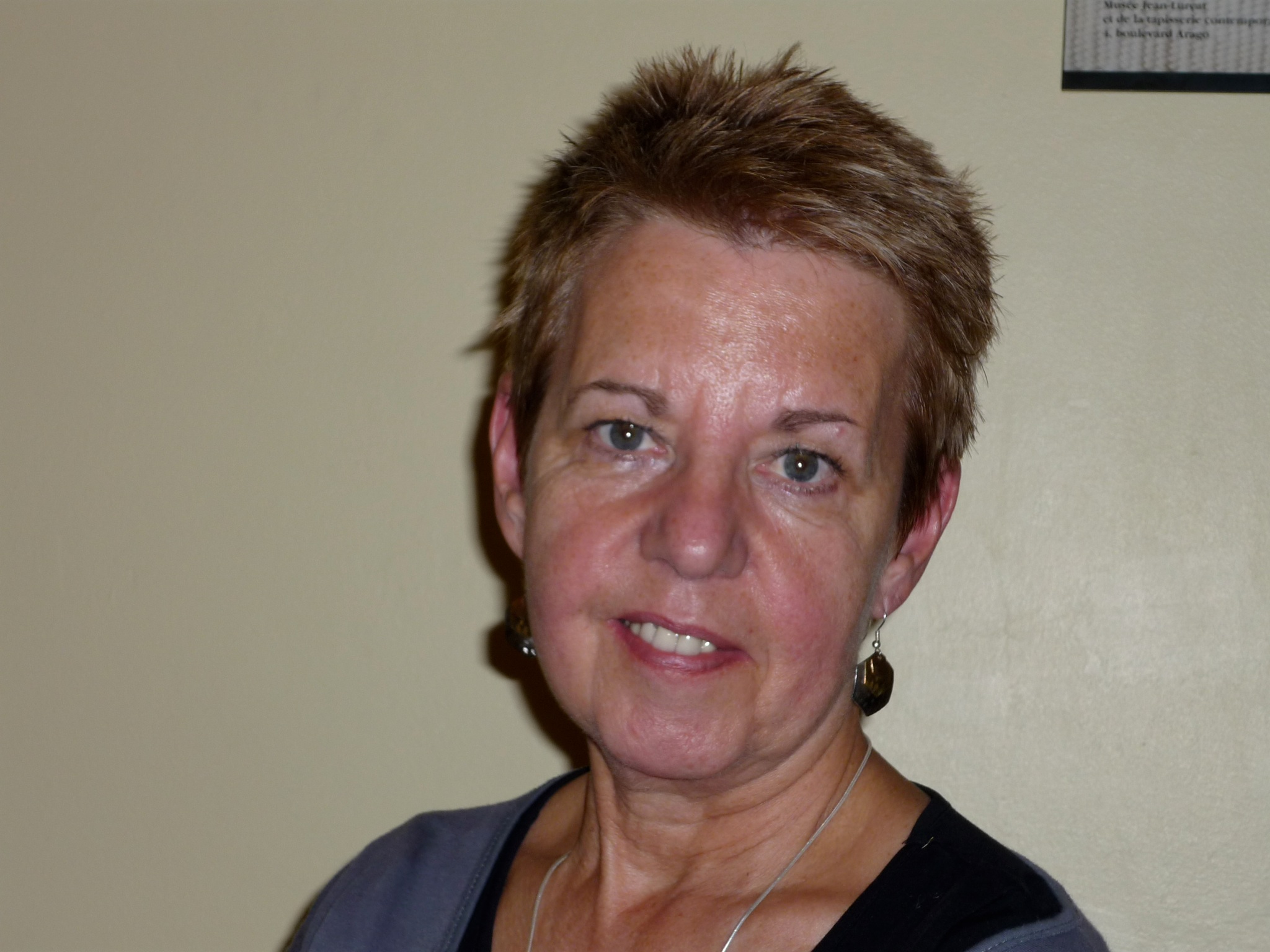
Dr Lorna Wing OBE 1928-2014 remembered at The National Autistic Society

Valerie D’Astous is a PhD Candidate at the Institute of Gerontology, King’s College London. Her research study focuses on the health care and supportive needs of adults with an Autism Spectrum Disorder. Of particular concern for her is investigating how people with ASD are able to maintain their wellbeing following parental caregiving.

Recognising the value of people who are paid to care

Katie Graham, Research Associate at the Social Care Workforce Research Unit, reports on care workers taking strike action in Doncaster.

During the last few months many care workers in Doncaster have been on strike. A three day strike ended on 22 April and union members have now started a further two weeks of action. UNISON members are taking action against changes to pay (including reducing weekend enhancements), sick pay and holiday entitlement. These planned changes are being implemented following the NHS loss of its contract to provide supported living services in the area. Given the rarity of unionisation and action within care work and the precedent that the proposed contract working terms and conditions would set (as more and more previously public sector services are transferred to the for-profit sector), it is curious that there has been such limited national coverage of the ongoing strike action.

In other parts of England social care providers and local authorities (the commissioners or funders of much social care) are subject to sharp criticism over the poor contractual conditions of care workers within commissioned services. Some home care workers have to endure zero hours contracts (Joseph Rowntree Foundation report) and non-payment of travelling time leading to below minimum wage payment. It has been confirmed by Care Minister, Norman Lamb, that there are 307,000 care workers on zero hour contracts (Community Care, 2013); work by this Unit has indicated that at least 150,000 workers in the social care sector may be getting paid less than the minimum wage (Hussein, 2011). And in 2013 the Low Pay Commission expressed its concern that social care workers are particularly vulnerable to poor pay and conditions of employment. The situation has been highlighted in the press and the House of Commons in part due to a recent court verdict in late 2013 (Whittlestone v BJP Home Support Limited) which ruled on the illegality of the non-payment of travelling time.

A recent review of the implications of adult social care budget cuts by Community Care (McNicoll & Stobart, 2014) illustrated the strategies councils are using to manage their limited budgets.  These included increasing the eligibility criteria (threshold for public funding entitlement), strict limits on care packages (e.g. no overnight care and reduction in the length of calls), increasing charges to service users, a ‘cap’ (upper limit) on council expenditure on social care, with budgets allocated to care managers to ensure they ‘understand fully the implications of their decisions’ on finances.  In spite of the government promising guidance for local authorities to address these concerns within the commissioning process another strategy seems to be the outsourcing of previously public run services and the re-negotiation of existing contractual arrangements with voluntary and for profit organisations. These may potentially reproduce the very conditions that have lead the care workers in Doncaster to take decisive action and the difficult decision to strike.

The Joseph Rowntree Foundation (Carr, 2014) recently released a summary of three major research projects looking at care work and low pay. These suggest that the evidence that connects low pay and poor quality of service is inconclusive.  However, it is emphasised that a combination of pay and working conditions including supervision, training, appropriate amount of time to fulfil tasks, need to be considered to ensure ‘job quality’ for the care worker and a quality service.

Historically there has been limited unionisation of care workers working in residential and community services, therefore there has been limited collective response to poor working terms and conditions. The policy of personalisation is leading to the development of a more dispersed and fragmented workforce. This makes the struggle, by those in a position to organise and collectively campaign, particularly difficult and important. By whatever means, there needs to be a wider recognition that ‘care work’ in its multiplicity of forms including practical tasks, assisting, prompting, skill development as well as relationship building, emotional support and developing trust in often intimate domestic situations, should be valued both financially and socially.

Care workers have always experienced low pay for demanding work so little has changed. In recent years we have seen undercover reporters exposing shocking images of abusive practices in residential settings and recently the BBC televised further instances of abuse and neglect of older people in residential care homes by care workers. Many such instances have been rightly responded to both by the criminal justice system as well as the regulator, the Care Quality Commission (CQC). However, there is a problem in individualising the blame (on a ‘bad apple’) rather than seeking to understand and address the systemic failings in how we organise and value front line social care. The combination of dismay at the regular practice of organisations creating savings by non-payment of care workers’ travel time and the ongoing strike action by UNISON members in Doncaster for commensurable terms and conditions of employment in an outsourced service, highlights the need for research and policy to take a holistic view of our care industry, recognising how the material and working conditions of the workforce must be directly connected to the quality of our care services.

Dr Katie Graham joined SCWRU in early 2013 and is working on a NIHR School for Social Care Research funded project comparing the costs and benefits of different models of adult safeguarding.

Student placements in children’s service departments: lessons from Canada

Dr Mary Baginsky

Dr Mary Baginsky

Mary Baginsky is Visiting Senior Research Fellow at the Social Care Workforce Research Unit at King’s College London. Here she suggests how universities and social work services could be brought into closer partnership.

Both Martin Narey’s and David Croisdale-Appleby’s reviews of social work education have reported on the shortage of placements for social work students, as well as raising questions about consistency in the quality of those that do exist. The President of the Association of the Directors of Children’s Services (ADCS), Andrew Webb, has also said that there is neither the range nor breadth of placements to keep pace with student numbers. Martin Narey went so far as to say that the endorsement process should include an evaluation of the quality of practice placements and recommended that universities which fail to provide every student with at least one statutory placement (or an alternative which is genuinely comparable and accepted by employers as comparable) should not receive endorsement from The College of Social Work. There is, perhaps, an alternative approach whereby the placements a student has completed on their registration are recorded. Anyone who had not completed a statutory placement in the relevant sector would then be required to do one subsequently if they wished to be employed in a statutory setting. The cost effectiveness of this would need to be calculated.

However, making this and similar suggestions does not get away from the seriousness of the situation facing courses and students, but neither is it confined to social work students. The Nursing Times (12 February 2014) reported that student nurses are struggling to get good practice placements because hospital wards are overstretched and staff too busy to supervise them.

It is not surprising that the pressures under which children’s service departments are operating and the number being judged to be inadequate by Ofsted are having an effect on the willingness of managers and practitioners to take students on placements. I am well aware of good practice around the country where universities and local authorities have established strong working relationships. They are usually distinguished by a commitment of the university and/or the local authority to take on responsibility for placements at a relatively senior level. This is usually linked with a commitment on the part of local authorities to embed placements in their workforce strategies and on the part of universities to provide a high level of support, not only to students but also to authorities. As training budgets are slashed and more authorities struggle to retain experienced staff such support from universities is an important factor in being placement-possible if not placement-friendly. In the past some authorities have complained that they have had to take what (and whom) universities have offered but the world has moved on. It is in the interests of both parties to collaborate over the training of existing and future practitioners and this is the conclusion that more authorities and universities are reaching.

Thirty-five years ago Hayward (1979) wrote that:

The assessment of practice aspects of the course has traditionally been regarded as different in quality and far more problematic than the assessment of coursework. (p.175)

Assessment of student practice is still the issue that is commonly cited by practice educators and university tutors as the one that is most likely to lead to disagreement, whether this is in terms of practice educators’ concerns about aspects of the student’s practice or perceived generosity or leniency of one party. On a recent visit to Canada I encountered two initiatives that could be introduced in this country and which have brought universities and social work services into closer partnership.

First, there are many examples in the literature that illustrate how individuals come to quite different outcomes when making an assessment and there are also many examples in the literature of attempts to devise competency-based checklists. One of the most reliable is the Objective Structured Clinical Examination (OSCE). The OSCE is used as an assessment tool for licensing exams in nursing, medicine, midwifery and other subjects in the UK, Australia, Canada and the United States. It is used to assess knowledge, clinical skills, and the transfer of knowledge into practice while providing a standardised assessment method irrespective of variations in client or assessor. Marion Bogo, Professor of Social Work at the University of Toronto, has developed an OSCE for social work which is now being used and adapted across Canada and USA. It consists of ‘laboratory’ interviews and structured reflective exercises to see how the student has integrated concepts. OSCE performance and reflections are rated on standardised scales. Initial tests and subsequent applications have shown that the test is a valid tool for assessing practice, even though further development is required. It is being adopted in a number of countries and the question arises as to why it is not as prominent in this country. It is time and labour intensive which, in the current climate, is likely to prove a disincentive. But it is hard to remember a time when this would not have been the case. As well as a potentially more reliable way of assessing students it also offers the opportunity for universities and practitioners to work together on its development.

The second suggestion comes from a visit to McGill University in Montreal. Anyone taking a student on placement who is attending McGill is required to take a course on supervision before the placement. Not only is this a way of attempting to ensure the quality of placements, it means practice educators engage with McGill at an early stage and the university then builds on this relationship in a number of ways. One way is by inviting their practice educators to regular meetings with the faculty members of the Social Work department. I was fortunate to be able to attend one of these meetings and I was struck both by the understanding of the course that the practice educators displayed and by the breadth and depth of the discussion. So while administrative and progress issues around the actual placements were covered, there was much more discussion of issues around the integration of theory and practice and of specific elements of the training. It was evident that there was a shared understanding of the curriculum, which must in turn benefit all involved but most of all the students on placement. It represented a real partnership of practice and academy that is often talked of but not often achieved in England. It is a model that would transfer to this country but again one that demands a significant level of commitment.

It may not seem the most sensible approach to suggest initiatives that will take even more time and application. But it seems that while social work courses have been forced to address the criticisms leveled against some academic input for its lack of rigour and consistency, similar standards need to be applied to placements and ones that go beyond the revised Practice Educator Professional Standards, however welcome these have been. Practice and professional trainers need to address this subject together. They will find many ways of doing so but perhaps these two examples could be in the portfolio of actions they consider.

Dr Mary Baginsky is Visiting Senior Research Fellow at the Social Care Workforce Research Unit, King’s College London. Follow Mary on Twitter: @abbotsky

Reference:

Hayward, C. (1979) A Fair Assessment: Issues in Evaluating Coursework. London: CCETSW.

A Mixed-up World

Suzanne has been involved in the work of the Social Care Workforce Research Unit at King’s College London for many years, as a researcher and now as an ‘expert by experience’. She reflects on the integration of the medical versus social models of disability and the sense of dis(ease) which can follow the realisation that this has yet to materialise as a coherent practice.

Over two years ago I joined the ranks of those diagnosed with bipolar mixed affective disorder. I didn’t understand what it meant then in real terms and I am not sure I am much the wiser now. I had assumed it meant what the older term, manic-depressive, conveys quite cogently. I would have highs (which sounded like they might well be fun) and lows (which would not be!). I didn’t realise the significance of the word ‘mixed.’ I have highs and lows all at once and they can cycle very rapidly: sometimes over a few days, sometimes every few hours and—if it’s really bad—fluxing every few minutes. The character of the ups and downs are not what I expected either. The highs are not fun, just periods of great mental agitation when I obsess and worry about things. My head gets busier and busier. The lows are what you might expect—only worse. I feel depressed, sometimes become very tearful and often get overwhelmed by angst. In short: no peace at all.

There is a certain irony here. I had studied mental disorder and Bi-Polar prior to my illness, and worked with many people who had similar mental health problems. I realise now that I had little insight into their ‘lived experience’. I now know too well how hard it is to capture in words and images what such realities feel like. Normal language isn’t designed to accommodate these shady extremes of intensity.

What’s more nothing prepared me for the differences between the medical and social models as regards the ‘lived experience’. I expected that my treatment would be an integrated programme of medication and therapy, but that is not what the NHS offers. I have a committed psychiatrist who is determined to find me the right mix of medication, but it is an inexact science and takes time. I am very fortunate to receive counselling from Mind. The counsellor’s person-centred approach and my Community Health Team care co-ordinator’s style of reflective therapy gives me hope for the future.

So, exactly what have I experienced? I have lived the past two years on a cocktail of drugs some of which are potentially toxic and none of which has solved the problem or enabled me to regain equilibrium in my home or working life. I moved from being a sociable, glass half-full person to one for whom life is half-empty and being told by the doctors that my agitation was the high. I long to have the high that gives great elation—but that doesn’t come my way. Instead I have felt in limbo, argumentative with my family, not living life but existing in a swamp of sorrow or anxiety most of the time.

The medication path is fraught with difficulties. Are my symptoms an expression of the illness or side effects of the drugs? It is not easy to tell. My current medication is not stable at present as I am going through another titration. My psychiatrist sees a lot of me but I have a nagging instinct that if an integrated approach was truly followed I would be able to come off the drugs. Medication alone cannot be the solution or the answer to the symptoms. It provides a platform that should stabilise effects—but a lot else is needed. Is my lived experience the same as others out there?


On World Autism Awareness Day

Valerie D'Astous

Valerie D’Astous

Ten years ago, I was not aware of autism. Ten years ago, the adults with whom I now meet to discuss their social and health care services and needs, were struggling day to day with the challenges of autism. Most are still struggling today, only now I am aware of them. Conscious of their struggle, I cannot sit idly by. Today, 2 April is the seventh Annual World Autism Awareness Day. One day each year to raise awareness of what for a lifetime a person with autism confronts. Autism is a lifelong condition. This means that a child with social and/or behavioural challenges of autism becomes an adult with these same autism challenges. The adults with autism whom I have had the pleasure to meet are generally honest, helpful, polite and kind. Many are also vulnerable, fearful and nervous. They persevere against the odds and are often frustrated. Meeting these adults with autism and their family members has taught me more about autism than I could ever learn from a textbook or academic article. Their hopes and fears, strengths and weakness are imprinted in my thoughts and direct my actions for change. The greatest lessons learned and awareness acquired are through personal experiences. On this Autism Awareness Day, I urge you to take the opportunity to talk with and listen to someone with autism and/or their family member. What you will learn may change your life. Hopefully together with this knowledge and awareness we can become instruments for change, to create a safer, more secure and accepting environment for us all.

Valerie D’Astous is a PhD Candidate at the Institute of Gerontology, King’s College London. Her research study focuses on the health care and supportive needs of adults with an Autism Spectrum Disorder. Of particular concern for her is investigating how people with ASD are able to maintain their wellbeing following parental caregiving.  

Letter from Sarasota: support services for older people

Valerie Lipman

Valerie Lipman

Dr Valerie Lipman is a social gerontologist and independent researcher. She reports here on support services for older people in Sarasota, Florida and particularly on the growing trend there toward ‘board-and-care’ arrangements in private homes. Could we see more of this in the UK?

I’m in the old age capital of the world. Sarasota on the Gulf Coast of Florida, USA boasts a total population of 386,147 of whom 32.5% are over the age of 65 years. And a third of that grouping is over 85 years. In the UK, the equivalent would be a town such as Christchurch in Dorset where 30% of residents are aged 65 and over. The national figure for the 65+ population in the USA is about 13%, and just under 18% for the State of Florida as a whole. This makes Florida fairly similar to the UK where the equivalent figure is just under 17%.

Older people come to Florida from across North America, and some from Europe to live here*. The sun shines most days, though it’s been a bit like England lately—teeming, non-stop rain and colourless skies. But freak days aside, it’s mostly a pleasure to wake up to.

With such a large older population the scope for delivering and trying out new support services feels almost endless. The general aim is to encourage ‘ageing in place’ and there are scores of home agencies, as well as ‘homemaker companion’ services, providing friendship and support. The former are registered services, the latter are not.

But just the same, many want or need the certainty and security of residential care. From continuing care retirement communities (CCRCs) to nursing homes there are innumerable private registered bodies in the Sarasota area offering services to older people. CCRCs offer a full range of housing choices and services on one campus—from independent living to assisted living to skilled nursing in an attached facility. The skilled nursing option costs $4,000-$8,000 per month in addition to entrant fees ranging from $150,000-$600,000. Assisted living facilities (support centres are called ‘facilities’ here) and memory (dementia) facilities/homes average around $3,000-$4,000 per month. There are also State-run services. Classically these are nursing homes, for which you have to demonstrate income below a certain level to qualify for what’s known as the Medicaid waiver.

But what do you do if you find yourself caught in the old eligibility trap of being too rich for Medicaid and too poor for the private homes? You could take a risk at one of a growing number of ‘private care homes’—also known as board-and-care homes. They are not the private homes of the UK that can serve any number of older people. Homeowners offer long-term personal and less regimented residence in a family friendly environment for one or two elders as a home business. These homes are not, however, regulated by the state.  They don’t have to meet any of the rigorous requirements that apply to group homes and assisted-living facilities (see Barbara Peters Smith, ‘Private-home care could become more common for elders’, Sarasota Herald Tribune, 23 January 2014).

They do, however, fill a huge need when it comes to cost. People will tend to hand over their pension to the homeowner to take care of them. No one knows how many of these homes exist. Most operate by word-of-mouth referrals and are private-pay only, but they are on the increase in an area where there is pressure on affordable places for the growing 80+ population. And like any other home the residents are dependent on the good will, attitude and behaviours of the owner/manager. Without family or friends to check out what’s going on, the scope for abuse is endless—at every possible level.

Yet, with some regulation and light-touch inspection, could this be added to the options of support for older people in the UK? It may be that Shared Lives is our take on this—an adaptation of what used to be called adult placement or adult fostering, but with the critical difference that Shared Lives arrangements are registered and regulated.

Sarasota is dealing with the complexities of an ageing population that we will have to meet in the UK in time. How to provide sufficient and varied enough facilities capable of offering security, safety and care in a homely environment that are not strangled at birth by hide-bound bureaucracy or slip into becoming exploitative ‘senior farms’?  Watch this space!

Dr Valerie Lipman is undertaking an investigation of how recent government changes in public services in the UK are impacting on BME elders. You can contact Valerie on valerielipman2003@yahoo.co.uk


*Projections from the University of Florida’s Bureau of Economic and Business Research (BEBR) show the percentage of the 65 and over population increasing to over 35% by 2020, and almost 40% in Sarasota County by 2030 BEBR, Florida Population Studies, Volume 44, Bulletin 159, June 2011.


Personal Budgets for adult social care and support: are homeless people eligible?

With the Care Bill entering the report stage in the House of Commons shortly, Michelle Cornes urges us to take part in the debate over what constitutes eligible need in relation to adult social care and support. Dr Cornes is Senior Research Fellow at the Social Care Workforce Research Unit (SCWRU) at King’s College London and recently completed a major ESRC-funded project examining Multiple Exclusion Homelessness. Her work forms part of the Homelessness Research Programme at SCWRU.

As funding for Supporting People services continues to shrink (see Patrick Butler’s article in The Guardian, 12 February 2014) it is timely to revisit the question as to whether homeless people are eligible for publicly funded social care support (e.g. personal budgets secured through adult social care) or personal health budgets. The Care Bill currently going through Parliament heralds some positive changes that may serve to open the door to this funding stream which has, de facto, mainly been closed to homeless people. As the law currently stands ‘homeless people’ are not eligible for support (though ‘homeless people’ with mental health, physical health, and drug and alcohol problems may be). The Care Bill will remove ‘eligible’ and ‘ineligible’ groups so that any adult with any level of need will have a right to an assessment (Department of Health 2013: 1.9).

Under the existing guidance, the purpose of a community care assessment is to assess need in the round. The guidance is clear that needs relating to social inclusion and participation should be seen as just as important as needs relating to personal care (Department of Health 2010: 61). It is perhaps worth noting that housing related support can be purchased using a personal budget from adult social care. In Scotland, 11% of direct payments and self-directed support packages in 2012 encompassed this element (Rosengard et al. 2011).

Once a community care assessment has been carried out, a decision must then be taken by the local authority (on a case-by-case basis) about whether the needs identified are eligible needs. The eligibility framework is graded into four bands which describe the seriousness of the risk to independence or well-being (Department of Health 2010: 54). This considers issues such as the ability to carry out personal care or domestic routines, whether vital involvement in work, education or learning can be sustained and if vital family and other social roles and responsibilities can be undertaken. Risks are banded as low, moderate, substantial and critical with many councils only meeting those needs identified as substantial or above.

Making decisions about which banding to apply and ultimately, who is eligible for a ‘personal budget’ is open to professional interpretation. With increasing austerity, the regulator has taken issue with those local authorities identified as being too restrictive. For example, Michael Mandelstam highlighted a recent case in which a local authority visited a woman at home, assessed her as managing her own personal care and closed the case—having first recorded that she was unkempt, her knickers were around her knees, there was evidence of faeces on the floor and she was not taking her medication (2013: 123).

Evidence from the Multiple Exclusion Homelessness Research Programme (Cornes et al. 2011) and other studies suggests that people who are homeless fare particularly badly in getting their needs banded correctly, often struggling to access an assessment at all. There is evidence that homelessness is written off as ‘lifestyle choice’ or as a housing responsibility, with the ‘substantial’ and ‘critical’ risks posed to well-being ignored or overlooked. The notion that homelessness poses mostly low to moderate risks to well-being is most clearly challenged by the startling statistic that the average age of death of a homeless person is 47 (43 for a homeless woman) as compared to 77 for the general population. The Care Bill (page 2) makes explicit the need to challenge discriminatory practices so that decisions about the individual are made having regard to all the individual’s circumstances and are not based only on the individual’s age or appearance or aspect of the individual’s behaviour which might lead others to make unjustified assumptions.

The problems with the way eligibility criteria are being applied are acknowledged by the Coalition Government. The Care Bill will introduce a national minimum threshold for adult care and support and there are plans to replace the current ‘Fair Access to Care’ (FACS) eligibility criteria in 2015. A new description of what is eligible need will be put forward for consultation in 2014 and a discussion document is already in the public domain (Department of Health 2013). I would urge all those working in the homelessness sector and those interested in challenging social exclusion to respond to this consultation. Without doing so there is the danger that homeless people will continue to be denied the support they are entitled to and, given what we know is happening to Supporting People services, possibly robbed of the little support many already have.

Dr Michelle Cornes is Senior Research Fellow at the Social Care Workforce Research Unit. She recently completed a major study on Multiple Exclusion Homelessness funded by the ESRC. For work on homelessness at the Social Care Workforce Research Unit at King’s see our Homelessness Research Programme pages.

The Social Care Workforce Research Unit is part of the King’s Policy Institute (KPI) at King’s College London. The Institute is involved in the translation of academic research at King’s to the benefit of policy and practice.

References

Butler, P. (2014) If supported housing is cut, we will see more rough sleeping and more crime’. The Guardian, 12 February 2014.

Cornes, M., Joly, L, Manthorpe, J., O’Halloran, S., and Smythe, R. (2011) ‘Working together to address Multiple Exclusion Homelessness’, Social Policy and Society, 10(4): 513-522.

Department of Health (2010) ‘Prioritising need in the context of Putting People First: a whole system approach to eligibility for social care – guidance on eligibility criteria for adult social care, England 2010’, London: Department of Health.

Department of Health (2013) ‘Draft national minimum eligibility threshold for adult care and support. A discussion document’, London: Department of Health

Mandelstam, M. (2013) Safeguarding Adults and the Law. London: Jessica Kingsley.

Rosengard, A., Ridley, J. & Manthorpe, J. (2013) ‘Housing support and personalisation: observations from the Scottish Self-Directed Support test sites’, Housing, Care and Support, 16(3/4): 136-144.

My House or My Home? The challenges of ageing and housing

Joan Rapaport

by Joan Rapaport

Last week (6 February) the Social Care Workforce Research Unit hosted its sixth joint annual conference on the theme of older people. It is organised jointly with Age UK London and Making Research Count and, this year, supported by The British Society for Gerontology. The topic: housing and older people. Speakers included Jill Manthorpe, Vic Rayner, Jeremy Porteus, Simon Evans, Maureen Crane, Louise Joly and Maria Brenton. Joan Rapaport reports.


Why the interest in older people’s housing?

Professor Jill Manthorpe (Director, Social Care Workforce Research Unit) highlighted increasing interest in the role of housing and environment on health and wellbeing in later life. She pointed to the sudden (re)discovery of the triangle of health, housing and care contributing to quality later life. Poor housing and environments undermine the potential benefits of social care and technological advances. Depressing environments may foster depression and inaccessible or hazardous environments compound isolation. We have long known that dampness, mould and cold are bad for health; recent research also suggests that loneliness can be as bad as smoking on health. Whilst some commentators accuse older people of stealing the pensions of their younger counterparts and draining health resources, and denying them access to the housing ladder, the idea of a ‘jilted generation’ has scant evidence. If anyone had been jilted it was the generations who were promised ‘homes fit for heroes’ many of whom who spent their old age in cold, disabling and poor housing.

Jeremy Porteus

Jeremy Porteus

Drawing on a recent personal experience, Jeremy Porteus (Director, Housing, Learning and Improvement Network (LIN)) highlighted the problems people face when planning for old age. There is no central ‘Ideal Home Exhibition’ point from which to make the perfect choices, there are psychological barriers to facing the future and a decision may have to be made in a crisis. Although the government is greatly concerned about the ageing population, the Select Committee on Public Service and Demographic Change (Lord Filkin, 2013) found that the housing market is delivering much less specialist housing for older people than is required and that national and local government and housing associations urgently need to make plans. Jeremy commented that if we are to build better homes then we also need to shape communities: making this more just a question of supply and demand.

Jeremy described the benefits deriving from purpose built projects and the emerging evidence base for positive outcomes. As just one example, people who were lonely with high needs had moved into Extra Care accommodation that had been funded by the Department of Health (DH). Within six months to a year many had experienced improvements in their wellbeing, ability to self-care and autonomy, creating savings in health and social care budgets. Extra Care projects are provided in a wide variety of ways including community led housing, cooperatives and cohousing as well as sheltered housing, retirement villages, almshouses and homesharing. Jeremy exhorted conference participants to join Housing LIN to keep abreast of strategic developments and opportunities and service innovations. Housing LIN is the leading ‘learning lab’ for a growing integrated network of housing, health and social care professionals in England involved in planning. As such, it is at the forefront of policy, research and practice developments and is a member of the Prime Minister’s The Dementia Challenge health and care champion group.

Vic Rayner (Chief Executive, SITRA) questioned the source of the ‘drain’ perceptions of older people in society. The evidence shows that contrary to these ‘doom and gloom’ predictions, people living longer lives are an asset to their communities and families, many working as volunteers, providing neighbourly support and helping with childcare responsibilities.

Vic Rayner

Vic Rayner

And the pictures of older people being drains on taxpayers are exaggerated, she observed. Close analysis of available data illustrates that the average annual unit cost of sheltered accommodation is just £311.10 – an amazing bargain! An investment of £198.20 in sheltered accommodation yields a saving of £646.90; of £32.40 in sheltered accommodation for older people with higher needs, savings of £123.40 and older people receiving floating support £97.3 and £628 respectively. Service user objectives of having access to assistive technology, security of tenure, personal security, greater autonomy and contact with family and friends are largely met. Yet supported provision for older people when compared to other population groups, is meager and may now be additionally under threat from local authority budgetary constraints.

‘On the Pulse’ case studies show how good practices in housing and health delivery can achieve good outcomes in:

  • Transferable care packages from housing to hospital and vice versa
  • Supporting re-ablement through telecare
  • Creating solution orientated partnerships across traditional health, social care and housing sectors

Vic highlighted the importance of commissioners’ valuing what matters to service users and including in their audits ‘soft’ and ‘hard’ outcomes, rather than focusing on a set of outputs defined by funders. She endorsed views that deeply ingrained attitudes towards older people needed to change.

Dr Maureen Crane and Dr Louise Joly (Honorary Senior Research Fellow and Research Fellow respectively at the Social Care Workforce Research Unit) drew on their current research on the housing and support needs of older homeless people.

Louise Joly

Louise Joly

Emerging findings from this unique study investigating what has happened to homeless people since they were rehoused five years ago demonstrate the potential problems of withdrawing support. Their research suggests that homelessness amongst people aged over 50 years is increasing, although no accurate figures are available. Homelessness in later life happens for a variety of reasons, such as breakdown in long-term marital or partnership relationships, death of a parent or spouse as well as mental health and substance misuse problems. Some people have poor budgetary skills and become evicted from the former family home. Some have literacy difficulties. While homelessness can be short term, so far nearly half of their research sample had been homeless for more than five years before being rehoused.

In this study, participants were first interviewed six months after they had been rehoused. Most, by far, not surprisingly, were glad to have been rehoused, regarded their accommodation as ‘home’, valued their privacy and control, and felt safe and comfortable. However, almost half were in debt. Significantly, those in sheltered accommodation were less likely to be worried or to mention they felt depressed.

Maureen Crane

Maureen Crane

Five years on about a third were still in their original accommodation. Of the minority who had moved, some had changed to live in more supported accommodation. Of those in their original accommodation, case examples highlighted struggles that had increased once their support workers had been withdrawn. These people were living impoverished, isolated lives. Unrealistically, some with health problems were being required to look for work. Maureen had been unable to interview one individual, in a great state of despair about her finances, until she had helped her to complete an application for welfare benefits. Some of the questions were difficult to understand. The form was 57 pages long and had to be printed: for this the internet café was the only option. The individual, who had relied on friends for money for two months, had to pay £8 from her benefits’ for her application to be printed!

This research is indicating that many older homeless people want permanent accommodation but many require supported or specialist living arrangements. The support needs of homeless people can fluctuate once rehoused and some do not seek help when faced with difficulties. There is currently a lobbying vacuum following the demise of the UK Coalition on Older Homelessness in 2010. Maureen and Louise highlighted the need for a new campaigning group to raise awareness of the particular needs of older homeless people.

Next to present, Dr Simon Evans (Senior Research Fellow, Institute of Health and Society, University of Worcester) asked what Extra Care housing offered older people? Drawing on emerging findings from the ASSET research project (funded by NIHR School for Social Care Research), Simon explained that Extra Care housing covers units for rent, purchase and includes some retirement villages. Extra Care is typically characterized by having facilities that enable social interaction, activities, outside support and the ability to buy in flexible care packages. The model provides many opportunities to meet the diverse needs and circumstances of older people. For example, the characteristics and needs of residents are wide ranging. Schemes may rely on multiple funding sources, multiple partners and multiple commissioning agencies. There is a range of financial and legal considerations such as for rent, or purchase, and charges for service, support and/or care packages. There are many types of building options such as ‘top of the market’ facilities, specific age friendly designed complexes, or converted council tower blocks. The literature on social care and support in housing for older people is meager.

When planning for their ‘ideal home’ consumers may be faced with differing local authority arrangements, the effects of welfare reforms and budgetary constraints, new models of commissioning and different approaches regarding levels of need. Simon explained that agreement on priorities and tendering arrangements with local authorities preoccupy commissioners. Key factors regarding the commissioning of social care in housing include the relationship between the housing and care provider, the building type, layout and location, the facilities on offer, tenure and letting policy and the mix of care needs required by the residents. However, ideas about what facilities are wanted by people with high needs are changing. As one example, meals and restaurants on site are proving popular but they may not meet everyone’s preferences.

Despite these complications, Simon ended by highlighting some of the benefits of extra housing such as:

  • Serving as community hubs for services
  • Supporting couples to stay together (in contrast to traditional models of residential care)
  • Promoting independence
  • Potential for saving money when compared with the costs of care homes.

Concluding the day, Maria Brenton (Project Consultant to Older Women’s Cohousing Company) outlined the concept of cohousing: which essentially aims to combine personal autonomy with community in old age. Maria explained that there are a small number of cohousing schemes emerging in England where people are coming together with the intention of living in a community and a commitment to mutual support. They share values and each agrees to share responsibility for the group as a whole. Each ‘cohousee’ has her or his own accommodation and own front door. The model is well established on the continent but is starting to gain some momentum here.

Maria Brenton, Jill Manthorpe and Simon Evans

Maria Brenton, Jill Manthorpe and Simon Evans

Maria highlighted the potential strengths of cohousing particularly in respect of combatting loneliness ‘which is probably a killer’. As people come together to design, build, develop and manage the project, they get to know each other well. Cohousing offers the prospect of good social contact, opportunities to share skills and the benefits of old fashioned communities with help at hand right next door.

In the UK 14 schemes are in the pipeline. The scheme she is involved in ‘OWCH’ (Older Women’s Housing Cooperative) is likely to be the first of its kind in the country. However, the model is very new to commissioners and cohousing pioneers face many challenges. A shift in perspectives is required.

For social workers and social care practitioners there were several key messages from the day

  • Loneliness is a potential killer – it is important to consider when thinking about outcomes. The contribution of housing and the built environment to contributing to loneliness should be assessed and addressed.
  • Attitudes about ageing and older people need to change and social work can play its part in this by working with older people and their organisations.
  • Extra Care is often cost effective and outcomes are often good; social workers should be familiar with what is on offer and its opportunities.
  • Not providing Extra Care may cost the public purse more so local investment in it could be supported. As well as providing construction jobs, Extra Care offers local work.
  • There is wide variety of supported housing schemes and social workers need a local ‘map’ to know what people might consider or should be confident that there are local information and advice agencies that can provide person-centred services.
  • The potential of older people to design their own schemes has not been realized; social workers can put people in touch with national bodies.
  • The importance of older people engaging in national and local consultations to improve their housing and wellbeing is one that social workers can convey in community development work.

This conference was the 6th annual joint event (CPD certified) held by Making Research Count at the Social Care Workforce Research Unit with Age UK London. This year the conference was supported by the British Society for Gerontology. It was held on 6 February 2014 at Henriette Raphael House, Guy’s Campus, King’s College London.

Dr Joan Rapaport was, until recently, Visiting Research Fellow at the Social Care Workforce Research Unit, King’s College London and is a lay member of the Mental Health Review Tribunal.

Conference photographs: Cliff Chester

For more on the conference (including presentations) go to the Event website.

For your attention:                                                                                                            Gordon Deuchars, Age UK London, stated that the Mayor of London had issued a Public Consultation on a New London Housing Strategy. This also concerns housing for older people. The consultation ends on 17.2.14. Please contribute to this consultation: www.london.gov.uk/priorities/housing-land/consultations/draft-london-housing-strategy  

Is it time to have an ideal home exhibition for the retirement housing sector?

Jeremy Porteus

Jeremy Porteus

Next week sees the 6th Social Care Workforce Research Unit annual joint conference, presented with Making Research Count and Age UK London. This year’s topic: My house or my home? The challenges of ageing and housing. Here, Jeremy Porteus, Director of the Housing Learning and Improvement Network and one of the speakers at the conference, questions whether we pay enough attention to quality and older people’s preferences when we build retirement housing.

The idea might seem vaguely frivolous when the attributes of high-quality specialist housing for older people include such prosaic but vital considerations such as adaptations and access.

But, for all the aspirational frippery that surrounds the annual Earls Court jamboree, it does have the virtue of putting designers, housing developers and builders in touch with their potential clients.

The Ideal Home Show website notes that ‘the main stunning feature of the Ideal Home Show is our fully built show homes’.

Influential documents such as ‘Lifetime Homes, Lifetime Neighbourhoods’ and both the ’HAPPI‘ reports have been important contributions in raising the profile of specialist housing and emphasising quality.

However, so far, much of the resulting discussion has been about quantity and demographic challenges, and virtually exclusively within professional circles. While this has been necessary it is not ideal.

We need to square up to the challenges and move the debate on so that it focuses even more on quality and, most importantly, shapes a conversation that includes the customers—older people.

By engaging with consumers and potential consumers, developers, construction companies, architects and housing, social care and planning professionals can redress the continuing British aversion to specialist retirement communities.

Market research, for example Demos’ recent thinkpiece, shows that well over half of those over 65 actually want to downsize, with around a quarter interested in a retirement property.

We all need to be talking to those ‘interested’ in a retirement property and those older people who want to downsize, but cannot see themselves in a retirement property.

This dialogue needs to highlight the best of specialist housing and the quality and design aspirations set out in projects such as HAPPI. However, it must also involve professionals and the sector listening to what older people want. What I have called a ‘living lab’.

The danger is that one day society will wake up to the fact that we need tens of thousands of retirement housing units. In our rush to meet that demand we may well repeat the mistakes of the post-war housing developments, including those that can be seen in some of the less desirable sheltered housing built in the 1960s and 1970s.

There was much to admire about the scale of ambition in the housing programmes of the three decades after 1945.

We need to match that ambition, but also capture the aspirations of older people by asking them just what would be their ideal home?

Jeremy Porteus is Director of the Housing Learning and Improvement Network and Chair of the Homes and Communities Agency’s Vulnerable and Older People Advisory Group. He speaks at the conference, My house or my home? The challenges of ageing or housing on 6 February. A handful of places are still available. Twitter hashtag for the conference #olderpeople6

Follow Jeremy on Twitter @HousingLIN

Follow the Social Care Workforce Research Unit on Twitter @scwru


Dementia: cure, care and causes

Jill Manthorpe

Jill Manthorpe

At year’s end, and following on from the recent meeting of the All-Party Parliamentary Group on Dementia and the G8 Dementia Summit, Professor Jill Manthorpe, Director of the Social Care Workforce Research Unit, considers the state of play in dementia research.

Preventing dementia—what an optimistic title for researchers to address. Everyone is interested. So, not surprisingly, the recent All-Party Parliamentary Group on Dementia held on 27 November 2013 heard that one way to do this is to invest in research. Optimism can be catching and the dementia scientific research community optimistically now takes an historical approach by drawing parallels with the linear developments of cancer. The story goes that cancer was rarely ‘named’ as a disease until the 1970s when mass investment in cures for cancer and greater understanding of its causes were assembled in the ‘war on cancer’. The same may now be possible for dementia—or so it seems.

Professor David Smith, University of Oxford, spoke of the myths around dementia—it’s normal ageing or it’s in the genes. But the key for him are environmental risk factors, especially ones that may be modified. These include length of education, high blood pressure in mid-life, lack of exercise, obesity and so on. But proving that these can be modified and can then prevent dementia—well, that needs research. As such risk factors also are risk factors for heart disease that’s good too. Deaths from heart disease are declining so, historically, optimism is contagious. Some of the evidence for this is recent and local—which is not always the quality of evidence one wants.

The research community has had to be nimble in responding to one recent study that counters notions of a ‘tsunami’ of dementia, with its associated fall-out (to mix metaphors) of imminent risk of bankrupting nations. This is the study of the prevalence of dementia which suggests it is on the decline or that numbers predicted were rather pessimistic: Fiona Matthews and colleagues’ study in The Lancet suggests that there are and will be fewer cases of dementia than were being predicted, possible because risk factors have been modified.

So there is hope for prevention—especially as their study reflects findings elsewhere.

Professor Smith called for more research with people who have not got dementia or who have mild cognitive impairment, arguing that such studies may be really relevant to prevention or the slowing down of cognitive decline. But this needs funding and he proposed that the balance of existing funding needs to change to funding prevention research. And this approach needs to focus on what might be modified. Professor Smith thinks that risk factor work could make a big difference—not by curing Alzheimer’s disease, but by preventing some of it. Some of the most popular of Britain’s newspapers would have to revise their notions that cures are just round the corner as a consequence.

Neurologist Professor Nick Fox (UCL) pointed out that dementia knows no national boundaries and affects the population pretty broadly. Like Professor Smith he spoke of his mother’s dementia. Like Professor Smith he also talked of dementia coming out ‘of the closet’. Naming it more specifically, e.g. by type, he thinks is also helpful so that targeted treatment might be developed for the specific form of the disease. This could go hand in hand with prevention to diffuse the ‘demographic time bomb’. But there is a problem: trials are failing—research needs to ‘try better’. Did it do ‘too little’ and with people ’too late’? He argued that drawing a parallel with HIV research could give cause for optimism. Or, in another analogy, is the focus on current dementia research with people who have already got dementia similar to doing research on cancer with people with cancer who are in a hospice? But new research on rare dementia, on genetics, on people with very early brain scan suggestions of change—all these are underway, and, again, promising.

People living with dementia at the moment also need to benefit from research, added Dr Alison Cook from the Alzheimer’s Society. She drew attention to the recent BMJ articles on strategies to promote the mental health of carers of people with dementia (SMART) by Livingston and colleagues and the economic evaluation by Knapp and the same colleagues.

If these had been drug treatments they would have been called a ‘breakthrough’ in the media, she claimed. They are hugely important studies—manualised interventions (for the curious, that means that what to do is written in a book or manual)—that really make a difference. In her view, the language around dementia care also needs to change and interventions such as arts therapy (or what might be called pleasant activities) should be put into practice when they are proved to be effective.

Dr Cook spoke of the roles of the Alzheimer’s Society in involving people with dementia and their carers in research at all levels. This was done to help set the agenda for the G8 Summit. The Alzheimer’s Society seeks to triple research funding – hoping, for example, to look at how drugs used for one condition can be useful in another, such as dementia. The Alzheimer’s Society wants also to see more ‘excitement’ around dementia research and to ensure that the momentum of the G8 summit is not lost. Baroness Sally Greengross, Chair of the APPG, added that more attention should be paid to developments around design and environment as well as encouraging the public to volunteer to take part in research.

Hazel Blears MP is one of the Vice-Chairs of the APPG and has personal, professional and political interest in dementia. She had just raised a Prime Minister’s Question on dementia, and a parliamentary debate took place on 28 November.

She had noted a real change in recognition of dementia—in no small way due to the Prime Minister whose interest, she acknowledged, galvanises the ‘system’ in politics. Hazel Blears also talked of the importance of research on care quality as well as cure—this too needs to include prevention.

Interestingly, in her focus on care she pointed to the importance of evidence for service commissioners, so that they knew (through a sort of possible kitemark system) what works. In her view the situation of homecare workers was similarly ‘incredibly important’. The G8 Summit was providing the opportunity for global commitments but Hazel Blears also talked of local community developments, such as Salford’s Dementia Action Alliance, for instance, that was involving a private taxi firm and training its drivers about good customer care for passengers with dementia. Similarly, her constituency office had looked at itself—its signage, correspondence style and approach, access and so on, as well as the need to be warm and friendly. She ended by pointing to the importance of such local as well as high level initiatives.

MP for Bridgend, Madeleine Moon, a former service manager whose husband has Pick’s Disease, spoke of the enormity of the cuts to local authority budgets and their impact on care packages—leading to minimal ‘wash, dress, feed’ care routines.

Cross-bencher peer Lord Walton spoke of the early scientific work on dementia and Alzheimer’s disease. As someone aged 92 he wondered if forgetting the occasional name was mild cognitive impairment and enquired why B12 vitamins seem to work for people with raised levels of homocysteine.

Other questions in the APPG meeting covered involving people in producing evidence and dissemination; whether homocysteine testing should be routine; the role of advocacy; planning restrictions; advice for ‘middle age kids’; and, whether UK research could really say it is leading the world? (Answer: probably not, but some is excellent. So, for example, USA has a national prevention plan, but Matthews et al.’s Lancet study is terrific.) Professor Fox commented that dementia research has grown, but capacity still needs to be built (otherwise what he described as a Battle of Britain syndrome may be developing where some people/pilots are doing too many sorties, with inadequate equipment, etc.).

Lastly psychologist Lindsay Royan spoke of the lack of support for frontline dementia care workers—which justified my presence there. We left the meeting better informed, possibly more curious about research, but not completely optimistic that research had cures round the corner. And I went back to the office to read the studies mentioned and their commentaries (see, for example, Laakkonen & Pitkälä) more closely.

Jill Manthorpe is Professor of Social Work at King’s College London, Director of the Social Care Workforce Research Unit, and Associate Director of the NIHR School for Social Care Research. Her extensive work on the topic of dementia includes EVIDEM (examining the impact of the Mental Capacity Act 2005 in relation to dementia) and a new study considering dementia in relation to the homeless population.

Follow the Social Care Workforce Research Unit on Twitter @scwru

References

Laakkonen, M.-L. & Pitkälä, K. (2013) ‘Supporting people who care for adults with dementia’, BMJ, 347:f6691. 

Livingston, G., Barber, J., Rapaport, P., Knapp, M., Griffin, M., King, D., Livingston, D., Mummery, C., Walker, Z., Hoe, J., Sampson, E.L. & Cooper, C. (2013) ‘Clinical effectiveness of a manual based coping strategy programme (START, STrAtegies for RelaTives) in promoting the mental health of carers of family members with dementia: pragmatic randomised controlled trial’, BMJ, 347:f6276.

Knapp, M., King, D., Romeo, R., Schehl, B., Barber, J., Griffin, M., Rapaport, P., Livingston, D., Mummery, C., Walker, Z., Hoe, J., Sampson, E.L., Cooper, C. & Livingston, G. (2013) ‘Cost effectiveness of a manual based coping strategy programme in promoting the mental health of family carers of people with dementia (the START (STrAtegies for RelaTives) study): a pragmatic randomised controlled trial’, BMJ, 347:f6342.

Matthews, F.E., Arthur, A., Barnes, L.E., Bond, J., Jagger, C., Robinson, L. & Brayne, C. (2013) ‘A two-decade comparison of prevalence of dementia in individuals aged 65 years and older from three geographical areas of England: results of the Cognitive Function and Ageing Study I and II’, The Lancet, 382(9902): 1405-1412.