Category: The Wider World (Page 3 of 7)

In this post Robert Chapman [PhD student at Goldsmiths, University of London] contemplates what the future holds for the long-awaited genetic revolution.
At the end of her last blog post, Laura briefly touched upon how as well as working on the stigma surrounding mental health, a lot also needs to be done within Minority Ethnic communities. Having recently attended another talk at King’s College London: Diversity & Psychiatry: Old Battles and New Findings, she’ll now go more in-depth on the ethnic inequalities in mental health and how this issue is being tackled.

Following on from April’s stress awareness month, Megan discusses stress in the context of gender dysphoria, and provides information on how to help those that may be suffering.
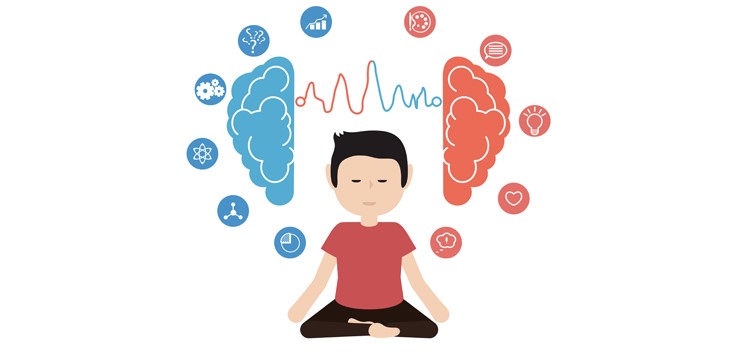
In recent years, mindfulness has become increasingly popular and is being recommended as a preventative tool and a useful technique to deal with stress and anxiety. What exactly is mindfulness, how does it work and are there any associated risks?

Around 1 in 4 people in the UK will experience a mental health problem every year (MIND), yet despite it being so prevalent, about 90% of those with mental health problems report having to face some form of stigma – whether that’s from their friends and family, work, education or during treatment (Time to Change). Laura writes about a talk she attended, which discussed whether the methods we’re currently using to tackle this issue are actually working.
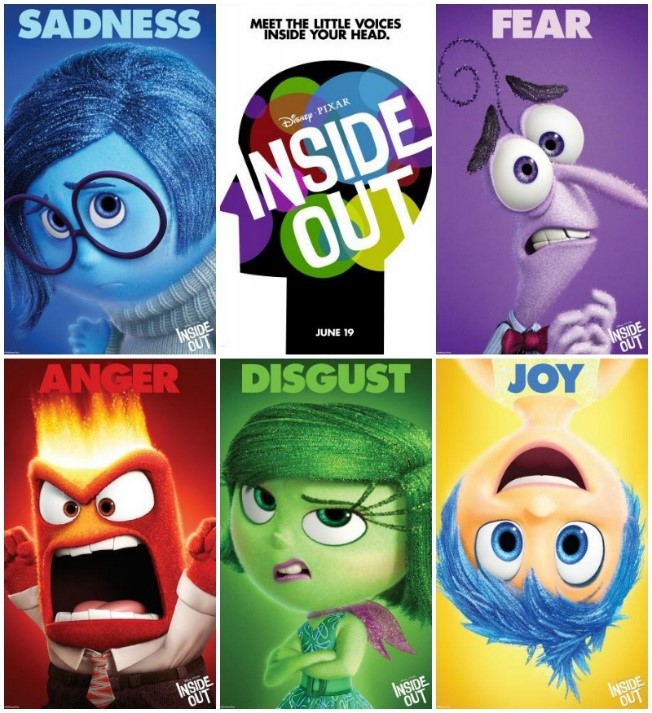
The idea that talking about your feelings is a good thing is definitely not new. Folk wisdom dictates “Get it off your chest and you’ll feel better” and research seems to agree. Experimental research in the last few decades has explored the mechanisms of verbalizing affect more closely.

One of the most striking findings I have read in 30 years of reading psychological development research papers was that half of all anxiety disorders begin before the individual is aged 11.
Next year, the average British person will check their phone more than 10,000 times and 4,000 of these will be made compulsively. Facebook. Instagram. Snapchat. Most of us have an account on at least one of these social media platforms and they often play a big part in our lives. However, the effect these websites have on our mental health is now being questioned. Laura [EditLab placement student] tells us why.