Connecting people at King’s

Hannah Reidy

Meredith Newlin

Meredith Newlin

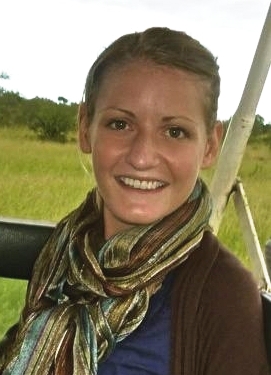
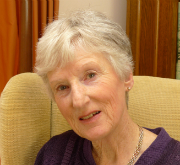
Meredith Newlin and Hannah Reidy from the Social Care Workforce Research Unit at King’s College London recently joined with the rest of the Connecting People Intervention team (from the University of Central Lancashire and the University of York) for a morning event at King’s to raise awareness and share experiences of the intervention.

Around 50 people attended the event from a range of backgrounds and services interested in this model of practice. Many of the attendees were new to the Connecting People Intervention (CPI) model and agency representatives from the pilot study also shared their experience, culminating in the room being filled with a breadth of perspectives and opinions, which lead to engaging discussions throughout the day.

Attendees at the workshop at King's on 15 February

Attendees at the workshop held at King’s on 15 February

After an introduction to the policy and research that fuelled the development of the intervention model, attendees were split into groups of workers who had experience of the intervention and those new to the study. This was the first time we’ve brought workers from the different intervention pilot sites together, and so this event served as a valuable opportunity to learn how other agencies are working with the intervention. We held a group discussion from which the consensus was that the event had been useful and more networking opportunities should be organised, which we will endeavour to do.

‘I feel that I am in a privileged situation – that the use of the model in practice is nearly honed through our own good practice, however I have learnt a lot on how we can improve these practices even further and fully intend to cascade to my colleagues’—a member of a participating agency taking part in the workshop

The attendees who were new to the model were given a ‘potted training on the intervention’ – short bite-size bits of training extracted from training sessions that we had run for the pilot agencies. This was no mean feat – we covered two training exercises that would normally take up to half a day in only 40 minutes – however we feel that we gave a good taster of the training days, and certainly helped to bring the intervention alive and place it in the context of their practice.

Attendees working through materials at the workshop

Attendees working through materials at the workshop

‘Will use this model when commissioning for new services’a comment of one worker new to the CPI model

The final activity of the morning was a panel discussion. Panel members had first-hand experience of the intervention and came from diverse backgrounds, allowing them to answer adeptly all of the questions asked from the room. The panel were: Prof David Morris (P.I. on the Connecting People Study and chair, UCLan); Andrew Hodson (Arts and Media manager, BlueSCI); Audrey Gallier (Social worker: Derby City CMHS Early Intervention Service); and Dr Darren Craddock (Consultant Psychiatrist: Coventry & Warwickshire Partnership NHS Trust).

Panellists, including social worker Audrey Gallier, discuss the Connecting People Intervention

(l to r) Darren Craddock, Audrey Gallier, Andrew Hodson and David Morris discuss the Connecting People Intervention

‘How do you incorporate changes in practice from the CPI model into agency culture such that its principles are sustained beyond the period of the research itself?’—one of the questions raised by a participant at the event

Attendees certainly made use of the networking lunch at the end of the day and many contacts were made for future correspondence. The agencies working within the pilot study had created posters for the event which were displayed during the lunch and allowed an insight into exactly how they had fitted their practice to the intervention.

We were busy taking photos, but that was not the only media coverage of the event. Old Trafford Community Television filmed the morning to form the basis of some of the training materials that we will be producing to allow new agencies to start to use the intervention. In addition, Andy McNicoll from Community Care attended the event and wrote a piece for the magazine, ‘The model that’s ‘reinvigorating’ social work’s role in mental health’. Sadly one of the Principal Investigators of the study – Dr Martin Webber – was unable to attend the event due to illness but he keeps a very active blog of his own, which will give you more insight into his thoughts about the Connecting People Intervention.

Our team thoroughly enjoyed the morning and judging from the feedback it seems that the attendees felt the same! We will be evaluating the event and aim to hold something similar in the North of England later in the year.

Meredith Newlin and Hannah Reidy are both Research Fellows at the Social Care Workforce Research Unit, King’s College London. Please visit the CPI study website for more, and see also the study newsletter, issue 2 of which was published earlier this month.

Invisible communities: Working with older people from Europe and beyond

Joan Rapaport

by Joan Rapaport

Our fifth annual older people conference hosted jointly with Making Research Count and Age UK London was held on 30 January at the Guy’s campus of King’s College London.
Joan Rapaport, one of over a hundred attendees and a Visiting Research Fellow at the Social Care Workforce Research Unit, reflects on the findings reported during the day.
Presentations from the day are on our website.


Professor Jill Manthorpe: Addressing ‘invisible’ inequalities in social careWhy now?

In her opening comments, Professor Manthorpe described an ‘elastic’ Eurovision definition of ‘White Other’ which included non-EU and EU nationals who were also often defined as White Other as well as the more frequently cited migrants from Canada, USA and Australia. As usual, she noted, London is a hotbed of change. The backgrounds of ‘White Other’ people are extremely diverse, with huge implications for appropriate social care provision. However, although the Equality Act 2010 is now in force, the needs of this population group as they age have not been explored.  Professor Manthorpe acknowledged the challenges faced by busy social workers and the constraints of assessment forms but asked:

  • How can appropriate services be provided if vital biographies and life stories have not been recorded?
  • What happens to people with memory problems or whose speech is impaired after a stroke – who provides the life experience to inform the care plan?
  • How can we help people to recall their memories and help care staff to see the person behind the care plan, so that social care truly reflects their needs?

Professor Karen Christensen: Older Scandinavians in London – how do they fare?

Professor Christensen identified the longstanding historical connections between Norway and Britain. Norway’s population is small (5 million) and scattered amongst 429 municipalities. It is difficult to find out the exact numbers of Norwegians living in the UK today, as the government figures are workforce related.

Her recent and unique life course interviews of seven Norwegians living in London, ages ranging from 59 – 75, revealed that these women came to London for love and marriage, au pair work, freedom from close knit communities and disappointment about Norwegian welfare services. Their passage was made easier because their fathers had encouraged them to learn English, as a ‘useful’ language. Those who had trodden the au pair and marriage route had stayed for family reasons and had chosen part-time work to suit. Others, who had come for career reasons and later married here, had made their decision to stay right from the start. These women juggled their careers with family responsibilities and worked until retirement. None had come ‘to get a better life’ in the traditional migrant sense.

Only one, married to a black man, had faced discrimination. Although settled in Britain, none wanted to become British citizens. They had all their rights, bar the right to vote. Professor Christensen considered that if there had been the option of dual nationality, their decisions might have been different. However, they could keep in touch with their Norwegian culture through their community networks and work and telling their grandchildren about Norway. There was also the Norwegian ‘injection’ of the holiday cottage – but then straight back to Britain! These women had no fear of getting old in Britain, as long as they could avoid residential care. They hoped for help from their families in return for caring for grandchildren. Those who had worked for Norwegian agencies received higher pensions than their British counterparts. They could thus afford private care.

Dr Shereen Hussein: Older Turkish migrants’ care needs in the UK: cultural encounters and unmet needshow do these compare?

Dr Hussein identified three distinct Turkish population groups: Turks, Alevi/Kurds and Turkish Cypriots living in the UK, sometimes referred to as ‘invisible minorities’. Although separate in their homeland, ethnic divisions are less apparent over here. However, each group has different ethnic histories. Old age is taking some by surprise.

With a Turkish colleague, Dr Hussein has been interviewing older Turkish men and women (ages ranging from 55 – 102) as well as Turkish care and community care workers. These interviews were conducted in Turkish (crucial to the study). Typically, and in stark contrast to the Norwegian experience, people came to London for a ‘better life’, to find work and possibly to flee persecution. The jobs they found, often through friends, were low-skilled, with poor working conditions and without ‘formalities’ (regulated). They did not have to speak English because the whole workforce spoke Turkish. Many had been over here for 50 years and never learnt English. Once they left the labour market, they found a ‘sudden’ need to speak English and know the system. Language posed a huge barrier, although those with adult offspring who had grown up in the UK were more aware of services and activities. However, for others retirement has meant ‘when I became old’, nostalgia for their homeland, loss of identity and feelings of disempowerment. Whilst inter-changeable care responsibilities from and for older people were assumed within the culture and elsewhere, these expectations could not always be met and older people were sometimes obliged to use social care services with trepidation. The gap between actual and perceived social care needs was large and culturally sensitive services were viewed by the research participants to be limited. Overall, the Norwegian participants painted a far rosier picture of growing old in London than their Turkish counterparts.

What needs to change?

  • Awareness that family is an important care provider but is not always available;
  • A focus on working with younger and older Turkish communities to bridge language and care barriers;
  • Assessment of the cost implications of not providing culturally sensitive early intervention and preventative measures, on crisis and intensive care services.

Jo Moriarty: The Equality Act 2010: Protected or ignored characteristics?

Jo Moriarty explained that most of the provisions of the Equality Act had come into force in October 2010, and those relating to Age Discrimination later in October 2012. Direct and indirect discrimination, harassment and victimisation are now outlawed. There are nine protected ‘characteristics’ of which seven apply in her review on the needs of older people: age – disability – gender reassignment – race – religion or belief – sex and sexual orientation. The study considered the impact of the Equality Act for Age UK across five different services. However, the task was very difficult because of the invisibility of the population in question and the dearth of research focusing specifically on equality and diversity. Routine monitoring for different protected characteristics is uneven, there are differing reporting standards and detail relating to the characteristics is not picked out. For example, in respect of Falls Prevention and the known benefits of exercise classes, areas such as accessible publicity, opportunities to socialise, religious preferences and single sex facilities have not been researched and the impact of discrimination on take-up is unknown. Day service provision is similarly neglected. Faith-based services may provide communal social activities, but these too are very under-researched. Furthermore, as more older lesbian, gay and bisexual people live alone than other groups – does this mean they have an increased need for home and hospital services?

Jo Moriarty warned of the risks of making assumptions and cited the example of the famous film star, Merle Oberon who was elusive about her Anglo-Indian background, to the extent she hid the fact that her Indian mother was actually her dresser. Jo highlighted the similar trap of erroneous assumptions of heterosexual relationships and the impact on people’s feelings.

What are the key messages?

  • Carry out more research on the needs of people with protected characteristics;
  • Provide inclusive publicity to reassure people;
  • Show staff have been trained in equality and diversity issues;
  • Avoid stereotyping;
  • Seek service users’ views even on sensitive matters; people like to be asked, especially if they are consulted on how to ask the question.

Dr Nan Greenwood: Does ethnicity matter? Working with older people from minority ethnic groups

Dr Greenwood said that her literature review had confirmed that health and social care issues for older people from minority ethnic groups were truly invisible. There was some information, but no one collates it. Statistics are unreliable and research is limited. Older refugees in particular may be isolated because of health and social problems and cultural differences and face multiple layers of disadvantage. If they have no permanent address they may have difficulties registering with a GP and thus accessing health services. Cultural perceptions about illness and the process of ageing may also act as barriers to accessing services more generally. The experiences of carers from minority ethnic groups are additionally compounded by disadvantage and marginalisation and culturally insensitive services. The effort to obtain help (phone calls and forms) is a major barrier to seeking help. Carers value information, accessible, culturally sensitive services and, most importantly, face-to-face contact and first language support.

People from lower socio-economic status groups from all minority ethnic groups describe their health as poorer. This information is complex as ethnicity is multi-faceted and changing and given the opportunity people may define themselves as belonging to more than one race. Homogeneity within groups may be overemphasised and mask heterogeneity. Ethnicity needs to be considered against other aspects of identity such as gender, age, religion, disability and health. Dr Greenwood stressed that the general principles of good care need to be embedded throughout and cited recent research that showed people from minority ethnic groups also wanted to be treated with dignity and respect.

Dr Greenwood acknowledged pros and cons in respect of separate or mainstream services. Separate services may be more culturally sensitive and innovative and mediate with general services. However, they may also bleach culture and set people apart. Evidence is as yet lacking to help tease out these and other issues.

What are the key messages?

  • Be aware that the concept of ethnicity may sometimes obscure other facets of identity and difference;
  • Health and social care evidence about the needs of people from ethnic minorities exist despite the limitations of the research;
  • Stop problematising ethnicity and blaming the characteristics of ethnic minorities e.g. for low take-up of services;
  • Keep abreast of changing patterns of health and disease to improve take up of screening and early intervention;
  • Keep the common factors of care in sight.

Jean Lambert MEP: Does London work for older Europeans?

Jean Lambert explained that it is assumed there about 100,000 EU nationals living in London who are over 60 years of age. They have come at different times and for different purposes, some as a result of WWII, refugees fleeing persecution, Jews from various parts of Europe, to join families, for work and so on. Under EU directives, discrimination is forbidden. Information is available in twenty-three languages on the EU website to help people attain their rights. Whilst discrepancies exist between different health and welfare systems across all member states, problems for non-EU nationals living within the EU are even greater.

In respect of workforce mobility issues and the UK, Jean Lambert expressed concern about attitudes in the UK in respect of transitional arrangements relating to people coming into the country from Bulgaria and other parts of Eastern Europe. Previously, even when apparently welcoming people from Poland, a whole host of problems had arisen: lack of support, language problems and people not understanding their rights and entitlements and often those on the administering side likewise. People when they arrive know they have rights but not what these are. Nothing has since changed.

This is the Year of European Citizenship and to mark the occasion one million Euro has been set aside to put on a number of events. As part of the Year, the European Parliament has commissioned and will report on discrepancies between the different systems, including those between Europe and the UK. In addition, funding from the Citizen Rights to Equality Programme (under the former European Year of Active Ageing) is expected to report on the needs of people needing dementia care.

What are the key lessons?

  • More research on the needs of older people from these minority groups could be helpful;
  • People need to be able to access information about their rights in their own language;
  • People need a single point of expert help and someone to assist them through the process.

Conclusions and closing comments

Professor Manthorpe highlighted the importance of ensuring that the histories of people from ‘White Other’ population groups were not forgotten, given their relevance to appropriate health and social care provision. The day had demonstrated that people have very different trajectories and these need to be acknowledged. In particular, the question remains how can social workers respond under their current work pressures at a time of dwindling resources? Attention to a person’s story may help at least to get things right first time by making sure that services are both accessible and acceptable.

Joan Rapaport is Visiting Research Fellow at the Social Care Workforce Research Unit, King’s College London. The Invisible Communities conference was organised by Jess Harris. Twitter hashtag for the conference is #olderpeople5

Research on older Turkish migrants in the UK – emerging findings from ROWM

Dr Shereen Hussein

by Shereen Hussein

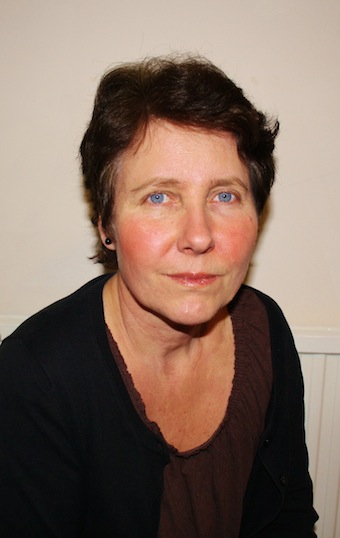
With our conference on Invisible Communities: Working with older people from Europe and beyond coming up at the end of the month, Shereen Hussein, Senior Research Fellow at the Social Care Workforce Research Unit and co-founder of the Research On Workforce Mobility (ROWM) network, discusses her work on the Turkish community in the UK. 

There is increasing interest in the experiences of people who migrated in their youth during the mid-20th century and are now growing older in the UK and other European countries. While Turkish migrants are not as large a proportion of the UK migrant population as they are in other European countries such as Germany, they are a sizeable part of some migrant communities, especially in London.

We have recently been working on collaborative research focusing on the experiences of older Turkish migrants living in London. This has explored their perceptions of ageing, of possible long-term care needs and their access to services. Sixty-six interviews with older Turkish migrants (aged 55 years or more; 34 women and 32 men) revealed two major themes, 1) ageing and belonging, and 2) identity in old age.

Turkish migrants’ stories were full of accounts and examples of adjustments, compromises and nostalgia that surfaced in old age when labour participation and feelings of ‘importance’ started to fade. These feelings seem to be exacerbated by limited English language skills, resulting from living in relatively closed communities within the UK, working in ethnic economies and providing services for the Turkish community. Many older Turkish migrants interviewed showed signs of an ‘elective belonging’, referring to the way in which ‘place biographies’ have become less important when compared with personal biographies and identities. However, while the majority of older people interviewed appreciated being in the UK, they felt they had little choice over where they lived in retirement.

Early findings also show that older Turkish migrants who have educated offspring are more likely to be aware of their needs and how to access services. However, there were high expectations of family members, with family and kinship being centre-stage in later life. For some the strength of these ties could be tested in challenging situations. Moreover, older women felt strongly that their duty to care for their husbands, their children and their grandchildren was paramount. Despite or perhaps because of this, some older women did not feel that they were important or well supported.

The findings have wide implications for services and resonate with the experience of other older Black and Minority Ethnic communities in the UK. They highlight the need for more culturally appropriate services. It is also important to raise awareness of existing support to avoid social exclusion and facilitate access and participation, including volunteering, among older Turkish communities. The findings will be discussed in more detail at the upcoming event, Invisible communities: Working with older people from Europe and beyond (30 January 2013), taking place in London.

The experiences of older Turkish migrants living in Denmark is also a research interest of ROWM network member Dr Anika Liversage and her colleagues at the University of Copenhagen. In a recent visit to the Unit, Anika and I discussed potential similarities between Turkish migrants in the UK and Denmark. We observed the importance of migration history, changes over time or trajectories, and how the ways older Turkish people lived their lives shapes their ageing experiences.

I am conducting this research with Dr Sema Öglak (Dokuz Eylül University, Turkey). We are both members of the Research On Workforce Mobility (ROWM) network. The ROWM network is flourishing (new members are always welcome), with members from around the world intent on improving our understanding of the intertwined relationships between migration and long-term care, both for those receiving and providing such care.

Dr Hussein is Senior Research Fellow at the Social Care Workforce Research Unit, King’s College London. She tweets as @DrShereeHussein.

Mental health social work in challenging times: What should change?

Joan Rapaport

by Joan Rapaport

How does it feel to be confused or abused and needing or pleading for services? Given the damaging effects of trauma, what helps and hinders recovery? How do services respond, and do practitioners ask the right questions?

With reference to recent research, these and other questions were robustly addressed by experts in dementia care, domestic violence, substance misuse and women in secure settings at Making Research Count’s November 2012 event.

At a time when economic pressures put greater strain on people’s mental health, yet also threaten the existence of some services, what are the priorities when it comes to social work practice?

The speakers were: Professor Jill Manthorpe (Director, Social Care Workforce Research Unit) on older adults; Dr Roxane Agnew-Davies (Director of Domestic Violence Training Ltd) on domestic violence; Dr Sarah Galvani (Assistant Director, Tilda Goldberg Centre for Social Work and Social Care) on substance misuse; Kelly Alexander (Senior Lecturer, University of Bedfordshire) on women in secure settings; and, Mike Fisher (Professor at the University of Bedfordshire).

Older people and mental health: Professor Jill Manthorpe

No-one can fail to notice the current interest in dementia, but social work practice with older people needs to be equally aware of the distress and poor outcomes of other mental health problems in later life. Jill Manthorpe described such problems as not always arising in old age but often being of much longer duration. The value of social work’s attention to social circumstances, she argued, was that this could uncover long-standing concerns or, alternatively, simple acceptance among relatives or friends of the older person – the perception may have been, for example, that they had often been a ‘bit of a loner’ or ‘had always had trouble with their nerves’.

Common problems encountered were depression and anxiety, with some schools of thought seeing these as separate but others as very much connected. Social workers needed to know that people had seen their GP about troubling symptoms – and should ask older people directly about pain since that may overshadow other problems and also need attention. Jill noted that best practice here was not necessarily about changing the person but maybe the circumstances. As personal budgets are becoming so much more the norm, social workers will have new roles in interpreting mental health needs into desired outcomes, in devising workable support plans with contingencies, and with advising directly employed staff or brokers about situations that are puzzling them and might be related to an older person’s mental health.

So what should change?

Social workers should remember that it can be hard to differentiate depression from dementia – and that the two can co-exist. The high level of interest in dementia should not mean that other problems are marginalised – severe anxiety, for example, can have a very poor prognosis. Urgent help may be needed. Like other professionals, social workers should ask more about pain and encourage help-seeking behaviour. There are great continuities here in terms of social workers’ more general role as educators, team workers, advocates and ‘listening ears’.

The impact of domestic violence on women’s mental health: Dr Roxane Agnew-Davies

Dr Agnew-Davies described domestic violence as having a major impact on mental health. She urged social workers to ‘get personal’ and reflect on feelings arising from their own traumatic experiences. She also highlighted the importance of understanding ourselves to better understand the predicaments of others. She further asked for reflection on scenarios, such as the likely consequences of disclosures or non-disclosures and the burden of carrying secrets, especially where perpetrators of abuse and victims were in a close relationship.

Typically, women who are victims of domestic violence feel threatened, are severely physically and emotionally abused, isolated and demoralised. They suffer long-term effects of post-traumatic stress disorder (PTSD), depression and psychological distress. Medication is often prescribed. However, this cannot cure frustrated feelings of anger that are often misdirected towards their children or themselves, rather than the perpetrator of the abuse.  Strong links are found between domestic violence and the incidence of child abuse. Children who witness violence in the home are also exposed to emotional harm.

So what should change?

Dr Agnew-Davies highlighted the importance of staff training to ensure help was sensitively offered and nurtured trusting relationships and engagement. She stressed the importance of understanding the stage women were at when they came to the attention of services and asking the right questions. Thus, for a woman in crisis, it should not be ‘how did you get that black eye’? but ‘who harmed you’? to ensure the victim understood that perceptions of blame focused not on her but on the abuser.

In respect of child protection, citing a New York study, Dr Agnew-Davies cautioned against automatic removal of children in cases of domestic violence. In New York, child protection and domestic violence units work in partnership and are creating new initiatives to help prevent the violence from worsening with a prime objective of, wherever possible, keeping the children in the home.

In terms of prevention, it was important to work in schools to address misplaced attitudes legitimising violence towards women and help young people understand what makes for healthy relationships.

Problematic substance use and mental health: Dr Sarah Galvani

Commenting on the power of language, Dr Galvani said that users of services preferred and identified with the term mental distress rather than mental illness. The term ‘dual diagnosis’ could be misleading because, so often, personal histories reveal multiple co-existing psycho-social problems. Whilst the evidence regarding cause or effect and extent of overlap between substance use and mental distress is conflicting, strong associations are nevertheless clear.

Cannabis and alcohol are the nation’s favourite substances. Although cannabis is often implicated as a cause of mental illness, the scientific evidence is contradictory. The position is further confused by the different types and strengths of the substance which are now available. However, ‘a fair body of evidence’ suggests that early usage of the drug by young people is significantly damaging. At the other end of the life-span and in respect of alcohol intake, older people are now emerging as a new risk group. However, in spite of the prevalence of problematic substance usage, in 2008 40 percent of local authorities had no local strategies in place and later evidence highlights the need for better support for this group. People from minority ethnic groups are particularly poorly served. Although some evidence of creative practice exists, social workers tend to lack confidence in working with this client group.

So – what should change?

In terms of training and asking the right questions, it is important to recognise not only potentially damaging effects of substance use, but also people’s positive experiences, such as relaxation and reduction of unwanted side effects of prescribed psychotropic medication.

Assessments should focus on people’s needs, include ‘collateral’ information from friends and family, be conducted with empathy, demonstrate listening skills over and above form-filling, assess levels of mental distress, acknowledge cultural and religious beliefs and set realistic achievable goals.

Good practice should routinely include advocacy, partnership working and recovery rather than treatment approaches to help people regain control over their lives and a role in society and to establish healthy relationships.

Women and mental health in secure settings: Kelly Alexander

Women in secure settings have complex psycho-social profiles. Histories of childhood sexual abuse, having been ‘in care’ and evidence of social and economic deprivation are marked amongst this group. Unlike men who tend to enter secure psychiatric settings via the criminal justice system, most women in comparable units are detained under civil sections of the Mental Health Act 2007. Men in prison are more likely to have committed violent and sexual offences, whereas the incidence of violent offending is lower in respect of women prisoners. Many women in secure hospital units have histories of self-harming and aggressive behaviour and they are likely to have diagnoses of personality disorder. Over half of women prisoners report having suffered domestic violence. Substance misuse and mental health issues feature heavily amongst women who offend (located in both hospital and prison settings). Significantly, a Home Office study (2008) found that nearly 18,000 children are separated from their mothers by imprisonment each year but only 5 percent of these remain at home.

What should change?

Into the Mainstream (2002) addresses the psycho-social, economic and gender-related factors relevant to this client group. Ms Alexander highlighted the potential for social work to assert itself arising from the report by ‘filling the gaps’ in areas, such as:

  • promoting the social context of women’s experiences with particular reference to the abuse histories, which arguably should be placed at the centre of the care plan;
  • responding to the ‘brighter future’ identified by women who self-harmed when provided with social support;
  • seizing opportunities to challenge damaging ‘deficit-based constructions of women’ and reframe generally held perceptions;
  • addressing the apparent neglect of family and child care ‘separation’ issues;
  • identifying the specific needs of women from minority ethnic groups;
  • providing a bridge between the agencies involved, the woman and her community.

What were the main themes to emerge from the day?

At the concluding session of the conference Professor Mike Fisher noted:

  • The importance of sensitivity and understanding the feelings of people seeking help;
  • The potential for partnership working at strategic and grass root levels to develop and implement policy and promote innovation;
  • The need for assertive social work focusing on the social history, user needs and multi-agency working – and filling the gaps!

… And delegates’ unanswered questions?

  • How can social work retain its identity in the climate of economic constraints and dominance of healthcare models and mindsets?
  • How might the voices of survivors about their experiences of recent changes in services inform recovery models?
  • What is the role of ‘practitioner researcher’? What support can MRC provide to help practitioners to get started?

Finally, Professor Fisher urged delegates and wider MRC membership to engage in dialogue about ideas for future programmes and ways of supporting continuing professional development.

Thoughts…comments…suggestions? What are the priorities in mental health social work practice?

Dr Joan Rapaport is Visiting Research Fellow at the Social Care Workforce Research Unit, King’s College London and lay member of the Mental Health Review Tribunal. This is a report of a one day conference organised by Making Research Count and held 23 November 2012 at King’s College London. Making Research Count is an English initiative that facilitates the dissemination of research findings between academics, practitioners, carers and users in the social care field.

Expectations and reality: social care support in old age

Jo Moriarty

by Jo Moriarty

Two weeks ago I went to Greenwich Pensioners Forum. Last week I was at the Hackney Older People’s Reference Group. In the last month, Unit Director Jill Manthorpe and I must have spoken to almost 500 older Londoners at various meetings. Without exception, the discussions have been lively and well-informed but running through them has been uncertainty about the future of social care support for older people.

These experiences made me question a widely held assumption about how baby boomers, those born between 1948 and 1964, will experience old age. I have lost count of the times that I have heard commentators, policymakers, and researchers tell me that services for older people will improve because baby boomers have higher expectations and will demand good quality support. So that’s why reports such as ‘Close to Home’, undertaken by the Equality and Human Rights Commission, express concerns about the quality of care services and Age UK organises a ‘care in crisis’ petition. It’s simply a question of older people upping their expectations!

Some years ago I was sitting next to a member of our Service User and Carer Advisory Group listening to yet another lecture looking forward to this new dawn. She has been a campaigner and activist throughout almost all her life. I asked her what she thought of the views being expressed. ‘Oh, I don’t think the baby boomers will find it so easy’, she replied.  ‘They don’t know how to act collectively’. Perhaps she is right. After all, individualism has been identified as a core value of the baby boomers.

Recently, in a discussion on the radio programme You and Yours about the proposal to allow 16 and 17 year olds in Scotland to vote in the referendum on independence, Ben Page of Ipsos MORI said that if their turnout was anything like that of 18-24 year olds, their votes would be unlikely to influence the result. Perhaps it’s significant, he added, that older people are more likely to vote and benefits for older people such as the winter fuel allowance have remained untouched. This discrepancy between older and younger voters is especially high in the United Kingdom where in the last general election, 84 per cent of people aged 55 and over voted compared with 61 per cent overall.

It’s true that many older people don’t feel that they have enough information about what support is available and how to access it and the increasing reliance on websites alone as an information source means there is a risk that the digital divide will widen. At the moment, less than a third of those aged 75 and over have ever used the internet, an important statistic in the light of proposals for online information and advice in the Care and Support White paper.

However, we also should not forget that public knowledge of how social care is funded remains very low. The literature review carried out as part of the Dilnot Commission on the Funding of Care and Support  quotes one survey reporting that a third of people still think that local councils provide free home care! As changes take place as a result of the Care and Support White Paper and as local councils tighten their eligibility criteria, I wonder how many baby boomers envisage what their future care needs might be and how they will be able to fund them.

Jo Moriarty is a Research Fellow at the Social Care Workforce Research Unit at King’s College London and tweets as @Aspirantdiva. Jo is speaking about her research project, Social care practice with carers: an investigation of practice models at the School for Social Care Research on 7 November.


Are direct payments a form of activation policy?

Martin Stevens

by Martin Stevens

It was Jo Moriarty, a colleague here at SCWRU, who introduced me to the idea of labour activation, pointing out its relevance to Jobs First, the evaluation report of which I am just now drafting.

Is it right to see the Jobs First initiative as a labour activation policy in relation to people with learning disabilities? More than that, might the policy drive toward personalisation bear the imprint of an ‘activation ethos’?

Labour Activation Policies have a long history, at least back to the 16th Century, when those overseeing the poor were involved in ‘sending vagrants to work’ (Patrick, 2012:6). These days, we can talk about four key facets: increasing market involvement in providing services; individualisation or personalisation of response to each individual; integration of different forms of support (e.g. the merging of welfare benefit organisations and Job Centres into Jobcentre Plus); and an uneasy balance between coercion and support. This last is illustrated in the varying degree to which policies support people to get jobs that fit their qualifications and previous experience or apply pressure for people to take any job, to get off welfare benefits.

These topics were the focus of the Workshop on integrated employment and activation policies in a multilevel welfare system, in Milan at the end of August, where Jobs First had its first academic outing. The workshop aimed to explore facets of European Activation Policies, involving academic speakers from across Europe. One message from the Workshop was that some form of labour market activation had been almost universally accepted in Europe. Consequently, there are many kinds of interventions to support or coerce young people and unemployed people to get paid jobs.

Jobs First shares the first three elements of activation: an increased emphasis on using personal budgets to purchase supported employment services from independent sector organisations; an individualistic approach; and increased links between adult social care and Jobcentre Plus. However, there are no directly coercive elements, in relation to loss of benefits. Having said that, some participants referred to the reduction of public spending on support for leisure as creating pressure to get jobs.

Of perhaps wider interest in relation to social care is the application of activation to personalisation. Direct Payments can also be said to share three elements of activation policies. First, they create more reliance on markets and individualisation of service. Second, they put more responsibility on individuals and their families to manage their own support. Third, there are ongoing efforts at integration with health (e.g. the Personal Health Budgets project) or through combining funding streams (as is being trialled in the Right to Control, trailblazer sites). There is no direct analogue for coercion, although the government’s strong preference for direct payments, puts pressure on local agencies to increase their use. The key link is perhaps the focus on individuals to bear responsibility to be active co-producers of welfare. So is this a useful way to think about personalisation?

Patrick, R. (2012) ‘Work as the primary ‘duty’ of the responsible citizen: a critique of this work-centric approach’ People, Place and Policy Online 6(1), 5-15.

Dr Martin Stevens is Research Fellow at the Social Care Workforce Research Unit at King’s College London. With Jess Harris he is currently writing the final report for the evaluation of Jobs First (an initiative encouraging the employment of people with learning disabilities) for the Department of Health.


How should research evidence be used to improve adult social care policy and practice?

Martin Stevens

by Martin Stevens

This question has bothered me since I started as a social services research officer in 1992. Attending the NIHR School for Social Care Research (SSCR) Workshop: Maximising Research Impact in Adult Social Care last week was a chance to ponder this question and, more usefully, to hear other people’s ponderings. The event was very well attended, with a mix of academic (including Jo Moriarty, Jess Harris and me from the Social Care Workforce Research Unit) and local authority staff, with a small number of people who use services and carers. First up was a panel discussion, in which Martin Webber (York University); (Chris Rainey (West Sussex Social Services Research); and Deborah Rutter (Social Care Institute for Excellence – SCIE) gave short introductory accounts, followed by a long question and answer session. Three presentations followed: Sarah Carr (SCIE) emphasised the roles of service users and carers; George Julian (Research in Practice for Adults) gave some practical aspects using research evidence; and Jonathan Grant and Molly Morgan Jones (RAND Europe) presented various approaches to measuring research impact in social care.

Naturally, in the presentations and discussions, there was a sense of frustration about apparent lack of change over the years. Best metaphor of the day was from the Unit’s own Jess Harris, talking about the need to ‘bite people on the bottom’ when trying to encourage the use of research in policy. These feelings are understandable, the issues and barriers raised by all speakers – time, resources, attitudes of practitioners, managers and policy makers, levels of training, understanding of research methods, lack of good quality research presented in easy to understand formats, seem to have been around during my whole career as a researcher.

More positively, there was a welcome emphasis on dialogue and engagement of different stakeholders. This is valuable as there has often been a somewhat mechanical view of research evidence as a lever to change practice. This simplistic approach ignores important contextual factors, such as practitioners’ low level of discretion, making the direct application of research problematic. A focus on the need for dialogue and engagement, together with the idea of co-production, suggests an acceptance of the complexity of linking research evidence with policy and practice change.

However, I was left with three questions that need more attention in order to optimise the impact of research in policy and practice:

  • What is the most appropriate and proportionate impact we can expect from research compared to that from other influences (politics, values, professional and user knowledge), given the necessary uncertainty and contestability of research evidence in this sphere?
  • How should different kinds of evidence, which often arise from different assumptions about the nature of social world, be combined to make changes in policy and practice?
  • How can policy making be changed in order to make best use of research (in terms of timescales, but also increasing the influence of people using services, carers, practitioners and researchers)?

Dr Martin Stevens is Research Fellow at the Social Care Workforce Research Unit at King’s College London. With Jess Harris he is currently writing the final report for the evaluation of Jobs First (an initiative encouraging the employment of people with learning disabilities) for the Department of Health. He is also Principal Investigator in a study examining the vetting and barring of workers in the sector.

Why face to face meetings still matter

Jo Moriarty

by Jo Moriarty

It seems strange to begin a blog suggesting that face to face meetings are an important way of sharing research findings, but that was the conclusion I reached after our joint seminar between the Social Care Workforce Research Unit at King’s College London and researchers from the Welfare, Inequality and Life Course (VUL) work group based in the Department of Sociology at the University of Bergen, Norway.

The aim was to share our ideas and experiences. Academics are sometimes accused of working in ivory towers. This could not be said of Liv Johanne Syltevik, Kjetil Lundberg, Ann Nilsen, Bo Vignes and Karen Christensen who arrived at the Unit hotfoot from a visit to Hounslow Job Centre Plus. Liv and Kjetil explained that the visit was part of their research looking at the impact of the merger of former employment and social insurance services into a single Norwegian Labour and Welfare Administration (NAV). Martin Stevens and Jess Harris then spoke about the Jobs First project which looks at how people with learning disabilities can be supported to enter employment.

University of Bergen

University of Bergen

SCWRU offices

Our offices at King’s

The two presentations highlighted how different terms can reflect deeper differences between welfare regimes. In Norway, where most citizens would expect to receive support and assistance from the NAV over the life course, people in contact with the service are described as ‘users’. In the UK, people using Job Centre Plus are described as ‘customers’ although, for many, paid work is a form of consumption they will not experience. In a further irony, we heard how Norwegian unemployment rates are much lower compared with the UK.

Karen Christensen and Ann Nilsen

Prof. Karen Christensen (left), who chaired the seminar at the Unit on 26 September, is Visiting Research Fellow at King’s. With Prof. Ann Nilsen

We talked about similarities too; in the use of mixed methods in research about transitions to adulthood and family carers and how older migrants in both countries often face similar issues. Karen mentioned the possibility that people might take up transnational care careers, working in the sector in different countries. As Shereen Hussein explained her analysis showing how some care workers in England earn less than the national minimum wage, I started wondering how average care worker wages compare across the European Economic Area.

Kjetil Lundberg and Bo Vignes

Kjetil Lundberg and Bo Vignes; Prof. Liv Johanne Syltevik in the background

You can learn a lot about the ways in which different countries organise care and support by reading journal articles and attending conferences. However, at conferences, time for discussion is often limited. This is generally because of the need to negotiate labyrinthine venues. I once attended a conference where you needed to be a time traveller to go to the place where refreshments were served and return to the building where presentations were taking place in time for the next session. We’re increasingly aware of the potential for researchers and practitioners from different countries to use social media for discussion. However, there is something about meeting face to face that promotes dialogue. It’s also much nicer to eat real homemade cake and muffins than to experience them virtually! We are all looking forward to keeping in touch and building connections between the two units.

Jo Moriarty is a Research Fellow at the Social Care Workforce Research Unit at King’s College London and tweets as @Aspirantdiva. Jo’s study of family carers, which she introduced at the seminar, has started reporting.

VUL group with Professor Manthorpe

Bo Vignes, Kjetil Lundberg, Prof. Jill Manthorpe (Director of SCWRU), Prof. Liv Johanne Syltevik, Prof. Karen Christensen and Prof. Ann Nilsen


On being a boundroid

by Jill Manthorpe

Boundroid? Why haven’t I heard this term before? Listening to the speakers at the Transforming Adult Social Care Workforce Conference yesterday, this word featured prominently. It was used to describe people whose working lives have spanned social and health care and continue to think about the connections. They may be the future.

Researchers too can be boundroids and that’s what we need to be when thinking about evidence and practice; about policy and implementation; social care and social work; home care and care homes. We need to know a bit about each and a lot about some of these subjects.

The Adult Social Care Workforce Conference is an annual event where the spotlight is not on social care funding or reorganisation alone but on the workforce (1.68 million people according to Skills for Care). This year three themes stood out. There was the confirmation that ‘Leadership’ in social care has been a problem and is now the solution. The L word is used rather than management to emphasise that leadership is everybody’s business. When did this happen and what does it mean? For me this change was captured visually by Debbie Sorkin from the National Skills Academy. She has collected several photos of the social care workforce and remarked on how often the pictures portray staff sitting down and not looking directly to camera. We’ll certainly keep a lookout for such images in our own presentations to see if there are subliminal threads of invisibility.

A second theme that can usually dampen the spirit of any conference was that of integration. How right Andrea Sutcliffe of the Social Care Institute for Excellence is to say that this word can usefully be abandoned for ‘joined up’ in many instances. As researchers we don’t want to be integrated but ‘joining up’, and building mutually informed relationships seems to be the way to go.

This conference heard about the specifics of workforce investment from Glyn Mason of the Department of Health, whose experience in practice and management is always remembered by conference participants who have worked with him in far flung places over the years. With all the media coverage of complexities of the social care funding reforms it is easy to see the Care and Support White Paper as an empty vessel. But there is 60 years’ worth of reform in it and a separate chapter on the workforce is only one place where the workforce features. After all, social care is a ‘doing’ word not an object, as my classroom teachers might have said. Two groups are mentioned in particular – apprentices and care ambassadors. But under every proposal are workforce implications. Who, for example, will work in the expanded housing with care services? Who will carry out the promised carers’ assessments for all? And why was migrant working not really addressed?

Being a boundroid is a characteristic of social care work of any type and style. Maybe the challenge will be to ensure that other sectors see this as a useful attribute too.

Professor Jill Manthorpe is Director of the Social Care Workforce Research Unit, King’s College London.

Welcome to The Social Care Workforce blog

Welcome to the Social Care Workforce blog, which is the blog of the Social Care Workforce Research Unit at King’s College London.

Our writing here focuses on workforce issues in the UK social care sector.

Our website is at www.kcl.ac.uk/scwru

Please join us on Twitter @scwru for updates on our activity and publications.

Also on twitter:

Professor Jill Manthorpe (Director of the Unit)

Jo Moriarty (Deputy Director and Research Fellow)

Dr Shereen Hussein (Senior Research Fellow)

Dr Martin Stevens (Research Fellow)