Four studies in mental health social care

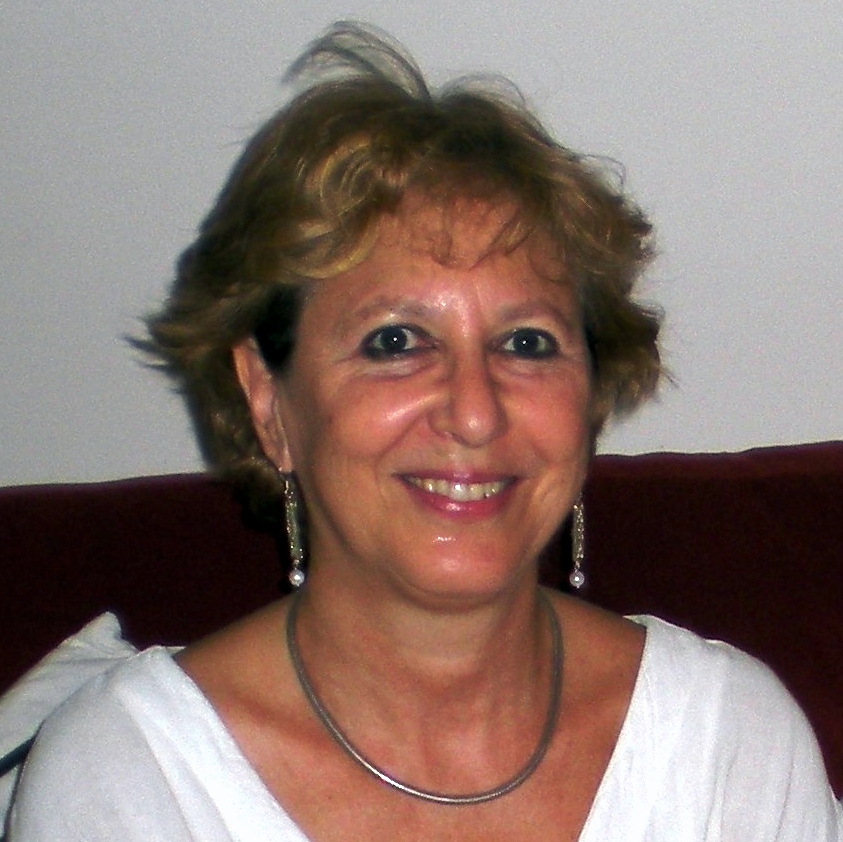
Dr Joan RapaportOn Thursday 8 October the Social Care Workforce Research Unit held its second annual Mental Health Social Care conference, in conjunction with Making Research Count. Joan Rapaport, Visiting Research Fellow at the Unit, was there. (2,275 words)

In her opening comments, Jo Moriarty, Deputy Director of the Social Care Workforce Research Unit, highlighted that the seminar was taking place as part of Mental Health Awareness week and that 10 October is World Mental Health Day. She observed that as well as mental health social workers, delegates from a wide range of organizations, in particular housing, were represented in the audience. This confirmed that adult mental health was not specific to one area of practice. Continue reading

Common causes: the origins of the Child Poverty Action Group and its relations with social work

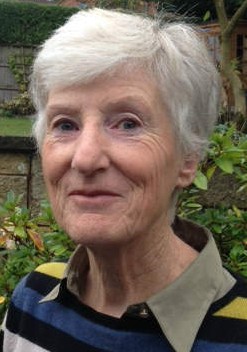
Caroline NorrieCaroline Norrie is Research Fellow at the Social Care Workforce Research Unit in the Policy Institute at King’s. (1,049 words)

The Child Poverty Action Group (CPAG) is 50 this year. As part of the celebrations, last month the Social Care Workforce Research Unit jointly hosted a seminar with the Social Work History Network to highlight the history of CPAG and its links with the social work profession.

CPAG is the leading national pressure group working to end poverty among children, young people and families. It campaigns to influence policy; produces information about access to benefits; and provides training for professionals across the UK about welfare rights (including tax credits, and universal credit). Continue reading

What’s the evidence behind the Dementia ‘I’ statements?

 Dr Linda Birt,Senior Research Associate at the School of Health Sciences, University of East Anglia, discusses the Dementia ‘I’ statements and the PRIDE programme. (439 words)

I was diagnosed in a timely way
I know what I can do to help myself and who else can help me
Those around me are well supported and in good health
I get the treatment and support, which are best for my dementia, and my life
I feel included as part of society
I understand so I make good decisions and provide for future decision making
I am treated with dignity and respect
I am confident my end of life wishes will be respected. I can expect a good death
I know how to participate in research

(Abbreviated from outcomes derived from the work of the Dementia Action Alliance)

The ‘I’ statements in dementia are having an impact, being discussed by the Prime Minister and Professor Alistair Burns. These statements indicate what a good experience of living with dementia should look like. Continue reading

Beyond measurable outputs: What matters in social work practice with older people?

Valerie D'AstousVal D’Astous is a PhD candidate at the Institute of Gerontology, King’s College London. (969 words)

As I walked past a small group of men for the second time, in search of the location, a cheery, ‘Can we help you luv?’ was offered. Paper in hand with the address, I knew I was close, but gladly accepted their offer. Two gentlemen ended up walking me around the corner to the place I was seeking, the Burrell Street Sexual Health Clinic. ‘Hope all goes well for you,’ one gentleman wished me, as I thanked them and said goodbye. I laughed as I entered the building, the site for the Making Research Count Conference: Rethinking Social Work Practice with Older People: Threats and Opportunities. I knew I was in for a great day! Continue reading

Let’s Talk – Piloting an educational drama in a care home

Caroline Norrie Dr Michelle CornesCaroline Norrie (left) and Michelle Cornes are, respectively, Research Fellow and Senior Research Fellow at the Social Care Workforce Research Unit. (666 words)

A Transformative Research Fund grant has been awarded to researchers from the Social Care Workforce Research Unit (SCWRU) at King’s College London to pilot an educational drama initiative in a care home in Cumbria. Care home staff, multi-agency colleagues (such as GPs and physiotherapists) and residents will hopefully volunteer to take part in a drama called Let’s Talk, which is designed to stimulate discussion about working relationships. As well as piloting the drama, three interprofessional, reflective ‘Community of Practice’ (CoP) meetings will be held which will act as a forum to discuss care home practices and ideas for change. Continue reading

Supporting parents with learning disabilities – passing on practice experiences

Dr Martin StevensDr Martin Stevens is Senior Research Fellow at the Social Care Workforce Research Unit. (1,037 words)

There is increasing interest in supporting parents with learning disabilities, as evidenced by the good turnout at the Social Care Workforce Research Unit’s most recent practice seminar on 24 June. Our seminar series focusing on learning disabilities covers a wide range of topics, but this one on parents with learning disabilities reflected the relevance of the subject to practitioners working in both adult and children’s services. Sandra Baum, the seminar presenter, estimated that most (two-thirds) child and family social workers have a parent with learning disabilities on their case loads. Dr  Baum is head of learning disabilities psychological services and associate clinical director (LD) at Oxleas NHS Foundation Trust.

Dr Sandra BaumIn addition to co-authoring many articles and key guidance books, Sandra (pictured right) has substantial practice experience. Her work involves assessments, which include IQ tests alongside functional assessment of Daily Living Skills. She acknowledged that there is a serious question about the usefulness of IQ tests in assessing parents’ suitability. If the IQ score is over 55 (as it often would be), Continue reading

Men? Have your circumstances changed?

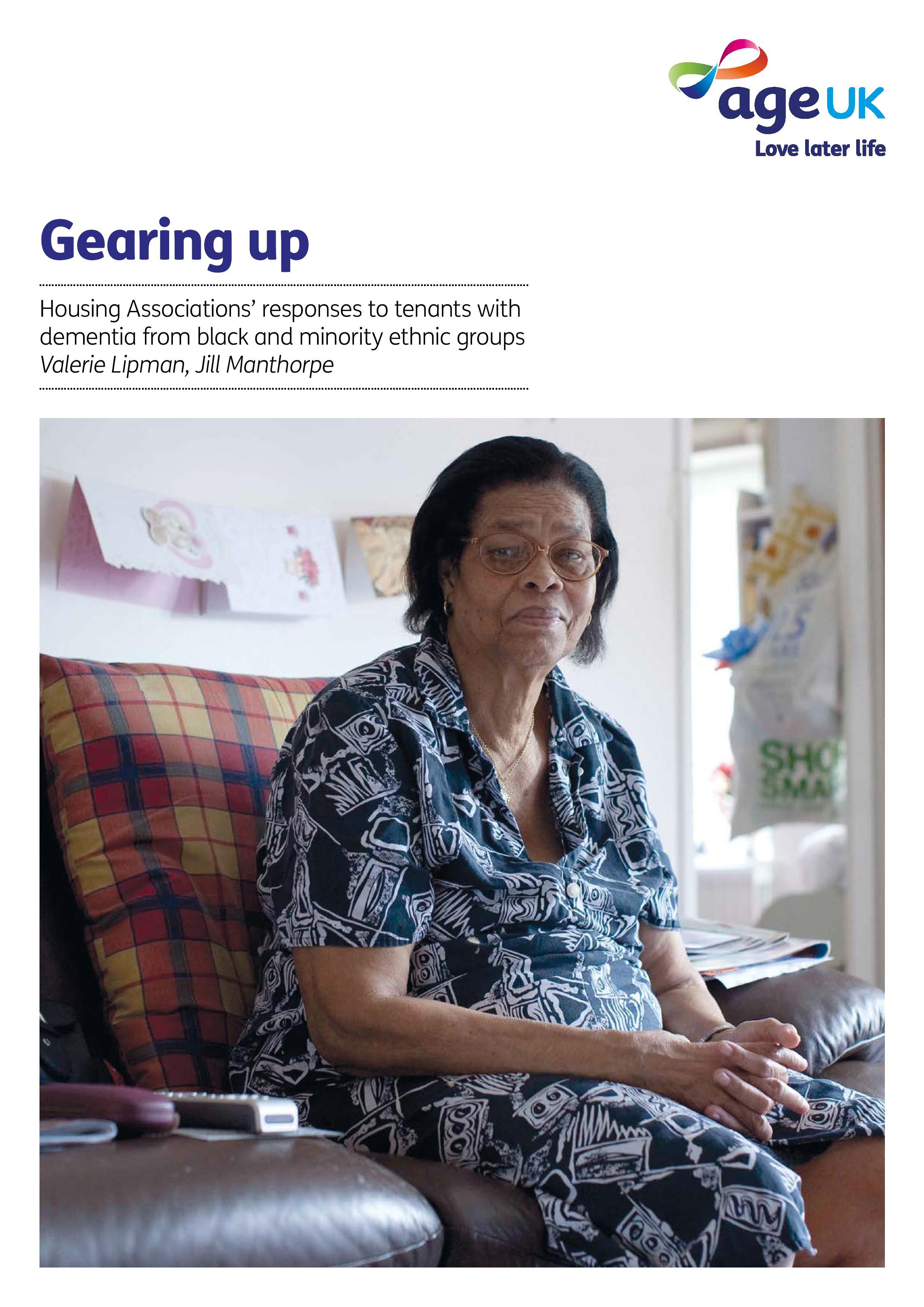
Valerie LipmanDr Valerie Lipman is Honorary Post-Doctoral Research Fellow at the Social Care Workforce Research Unit. (553 words)

We don’t see much about the lives of older men in the field of social care. The focus tends to be on older women, partly because women’s life expectancy is longer and perhaps, because in the care field, women are more visible in the traditional care settings, such as day centres and care homes. Have your circumstances changed?’, a triptych of duets between an ageing man and a boy of about 10-12 years of age, stages the daily routine of a single older man.

The three short pieces, about 15 minutes each, are set in sequence in a kitchen, living room and bathroom, showing a different older man managing life on his own. The performance takes place in the windows of a former furniture shop in a former shopping mall in Islington, north London. There’s no dialogue but just a series of noises of daily living. In the kitchen the man accidentally tips his rice crispies all over the floor, the sink gurgles, he thumps his knife into an onion, and butter splutters in a frying pan on the cooker all against the background of Radio 2. In the living room the TV blares out quiz shows, football and the Generation Game. And in the bathroom we hear the toilet flush, medicines fall out of the cabinet and imagine the scraping of shaving and the sizzing of false teeth in the glass. Continue reading

Social work and the ill body

Liz Price Liz WalkerLiz Price (left) and Liz Walker both work at the University of Hull. (401 words)

Social work is remarkably silent when it comes to the physical body. By definition, the profession is similarly unnoticed within the experience, and practice, of illness. This book addresses these silences through an exploration of chronic (autoimmune) illnesses engaging in wider debates around vulnerability, resistance and the lived experience of ongoing ill-health.

We demonstrate the role that social work has to play in actively engaging the (ill) physical body, rather than working around and through it. We focus on autoimmune conditions such as lupus, multiple sclerosis, rheumatoid arthritis and scleroderma. Conditions like these allow for an exploration of the everyday lived experience of illnesses which can exacerbate social and economic vulnerability and may precipitate personal and social crises, requiring a variety of interventions and support. Continue reading

Helping quality improvement in social care – listening to Registered Social Care Managers’ voices

Caroline Norrie Dr Michelle CornesCaroline Norrie (left) and Michelle Cornes are, respectively, Research Fellow and Senior Research Fellow at the Social Care Workforce Research Unit. (735 words)

Members of the Cumbria Registered Social Care Managers Network (CRSCMN) met recently to discuss what support is needed to help social care services make quality improvements in care homes and domiciliary care agencies.

Care home and home care managers were joined by a representative from Care Sector Alliance Cumbria who has responsibility for the recruitment and retention element of workforce development in this rural county. Michelle Cornes from the Social Care Workforce Research Unit (SCWRU) is Facilitator of the CRSCMN. SCWRU researcher Caroline Norrie, who has recently been working on two projects about adult safeguarding including whole-home investigations, also attended. Continue reading

Dementia care: the next five years

Mark Ivory, new editor at the Journal of Dementia Care, spoke yesterday at the Margaret Butterworth Care Home Forum. This is a transcript of his talk. (2,712 words)

Good afternoon. So far as they can be separated, this is partly about policy and partly about politics. Where better to start than the Conservative party election manifesto? Pledges:

  • Delivering on the Prime Minister’s Challenge, “making sure that everyone diagnosed with the condition gets a meaningful care plan to support them and their family.”
  • UK will be world leaders in finding a cure for dementia by the target date of 2025.
  • All companies with more than 250 employees would be required to allow them three days of volunteering time each year, something the Alzheimer’s Society welcomed in the context of the Dementia Friends initiative.

It’s the one about volunteering, considered more broadly, that I really want to focus on. In case we were under any illusions that the Tories had dropped the rhetoric of the Big Society, there was a section of the manifesto with the heading “Helping you build the Big Society”. “Volunteering is at a 10-year high,” it boasts, “with 3 million more adults giving their time last year than in 2010.” Continue reading