Author: Megan Skelton (Page 2 of 2)

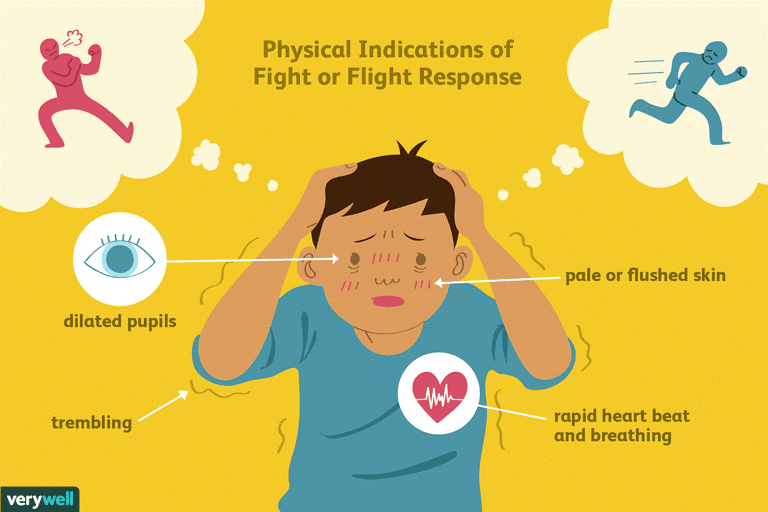
When we perceive threat, our bodies initiate a fight-or-flight response (Cannon, 1932). This physiological reaction – involving symptoms such as quickened heart rate – prepares us for action. Although unpleasant, it is likely that this adaptive response enabled our ancestors to run from or fight predators, and therefore to survive and have a higher chance of reproducing. However, in modern environments, this response can be elicited by events like a job interview or an exam, which although far from enjoyable are (hopefully!) not life-threatening.

D for Depression
Depression is the fifth leading cause of the global burden of disease and first leading mental health cause (Vos et al., 2017). Whilst everyone experiences sadness and perhaps even depression at times in their lives, perhaps following loss of a loved one, those with clinical depression experience symptoms that go on for longer, are more severe, and/or interfere with the activities that make up normal daily life.

A PhD is the ideal route for anyone hoping to pursue an academic career, who is hard-working, self-motivated and passionate about research. It is usually a three-year, full-time, postgraduate degree in which you work on a specific topic to produce an original piece of research. At the end, you get to update all your contact details to ‘Dr’, although you will probably be too exhausted to do that for a few months! Sounds great, right?

Mention that you are researching ‘genetics and mental health’ and you might notice a sense of unease in your audience. We usually tack on additional information, which ranges from, “investigating how we can predict response to psychological therapies using genetic information, and of course we incorporate environmental factors too”, to “but don’t worry, not in a eugenics-y way”, depending on the context. Here, Meg [EditLab PhD student] discusses why we shouldn’t be afraid to talk about the genetics of mental health.