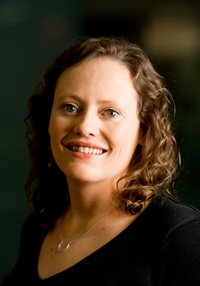
In the second of this pair of blogs, Prof Thalia Eley reflects on resilience from the perspective of a senior academic. If you missed our previous blog where Dr Kirstin Purves answered the same questions from the perspective of the early career researcher, you can read it here.

Thalia
What have been your toughest experiences as a PI that have required you to build resilience?
Well, there have been quite a few (wry smile..). To be honest, this is one of the most important things to learn as a researcher, there are many many many (yep, that was three manys) more times someone tells you they aren’t going to fund/publish your work than the times they say they are. The hardest times for me have been long “dry” periods where all my grants were being rejected. One of these only ended last year. The hardest part of it related to the wonderful Twins’ Early Development Study. Having taken over as Director from Robert Plomin my main responsibility was to get the salaries of our precious team of core staff funded through renewal of the MRC programme grant. The first time around it got great scores but was ultimately rejected. They gave some useful feedback and allowed a rapid resubmission but it was pretty tough. Fortunately, we got the funding the second time around… Another aspect I found hard and wrote a blog on a while back, was the transition from early career researcher to PI and all that entailed.
What did you find helped at these times?
As anyone in my team will tell you, I am someone who likes to talk when things are hard. I talked to many members of the team both individually and as a group in team meetings, as for a while after the initial rejection I was really struggling to feel ok about it. Having people express sympathy and understanding, and reminding you of good things about your work are really helpful at such times. I also spoke with several very senior researchers I admire, and it was useful to hear from them that they had experienced similar dry patches. Knowing that others had experienced positive outcomes of this “revise resubmit” option which I hadn’t really come across before was also encouraging. In short, I have found that in really difficult patches I need to actively seek out situations or reminders of things that will help me feel better. This could be a folder of emails from colleagues telling you something good about your work, or positive posts on Twitter after a talk you gave. These types of reminders can help keep your confidence up when things are tough.
What makes you want to keep going?
I really want to do the research. Also, I have learned that persistence pays (as does good quality pilot work). I have now had three experiences where I applied at least twice and in two cases three times, getting the funding the final time. My first instance of this was a senior fellowship application from the MRC, and I was rejected after interview (whilst heavily pregnant with my third son). A long-term mentor of mine encouraged me to believe that it was still a good idea and the department helped out with some modest funds to enable me to carry on getting pilot data. I then submitted the same idea to another funder but was again rejected. Finally, with even more pilot data I went back to the MRC NIRG scheme and got the funding. This paid for the Genes for Treatment study which alongside another grant funded a postdoc and three PhD students resulting in numerous papers so in the end it was all worth it. When I mentioned this in a throwaway comment after a talk one day, that was what all the questions were about which led me to realise that there needed to be more openness about how common it is to get rejected for funding. I got interested in giving talks about grant writing, within which I include a chart showing the grants I’ve applied for divided into those that were/were not funded. Like most academics, I only get around ¼ of those I apply for and mostly you just have to grit your teeth and start again…
What would you say to ECRs that might help them prepare for these challenges?
I have learned that it is best to have a back-up plan that assumes the application will be rejected. So as I submit a grant I am already thinking about what I need to do to make my case stronger and in what format/to which funder I will submit it next in the (rather likely) instance that I don’t get the funding this time around. Having the mindset that you know you will be rejected at least three times as often as not helps. Other than that, surround yourself with a supportive network of both peers and senior colleagues to help you through difficult times. I would also recommend collaborating, especially when you are just starting out on building a team. This automatically widens the opportunities you have but it also means there are others to share in the ups and downs of specific projects with you. Finally, I really recommend identifying whatever sources you have for getting feedback on papers and applications as this can make a huge difference by identifying problems early on so you can address them or make clear why they are surmountable.
Does it get easier?
Yes. I have now had two particularly long dry periods and it definitely took a lot longer the second time around for me to start to get really twitchy. Most of that time (it lasted several years) I was able to just remind myself that if I kept going with the work, and was careful to seek out and act on constructive feedback, I would get there in the end. Also, as I’ve got older I’ve come to realise how lucky we are to do this work that we love and feel passionate about. It is a privilege and if the cost of that is that we have to work really hard to get each study funded, then that’s a price I’m willing to pay. I would say though that whilst it can sometimes be hard to find time to write grants, especially if you don’t find it easy to say no to others, I don’t think it is a good idea to work to the exclusion of everything else. A healthy focus on aspects of life outside of work keeps energy and wellbeing levels up without which the work you do will undoubtedly suffer. I’ve written about this juggling act quite a bit, including in the context of motherhood and a chronic condition, because I think it is at the heart of having a sustainable and enjoyable research career.